

Benzodiazepines pose serious risks for seniors including falls, memory loss, and dementia. Safer alternatives like CBT-I, SSRIs, and ramelteon offer effective, long-term relief without the dangers. Learn why experts now recommend avoiding these drugs and how to transition safely.
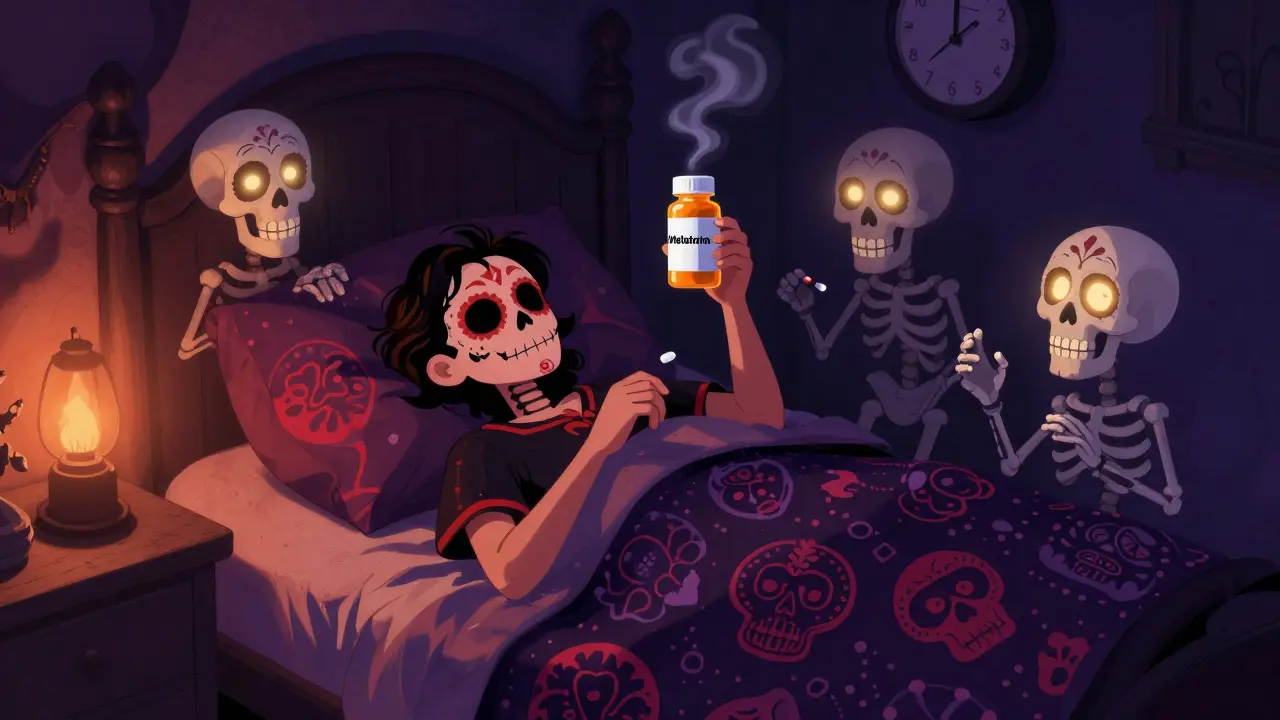
OTC sleep aids like diphenhydramine and melatonin offer minimal sleep benefits but carry serious risks including dementia, falls, and rebound insomnia. Learn safe limits and better alternatives.
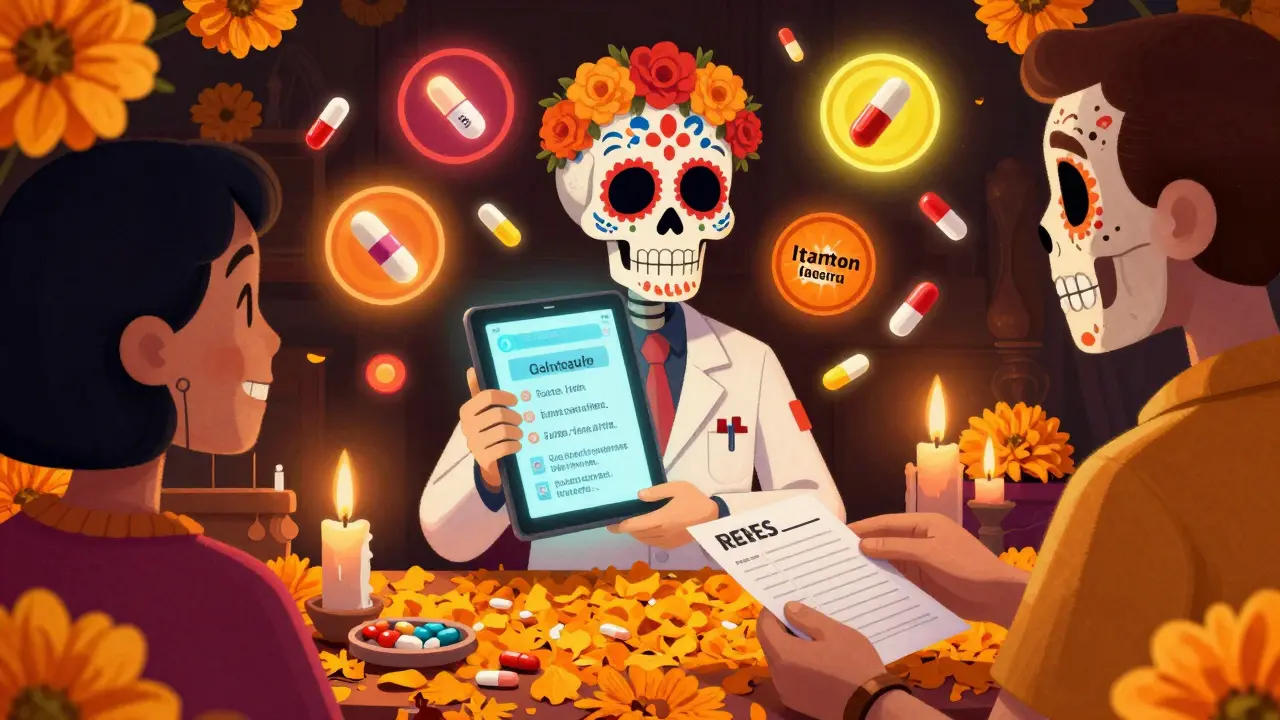
Digital tools can help you avoid dangerous interactions between generic drugs, but not all apps are equal. Learn which ones actually work, what they miss, and how to stay safe when buying meds online.
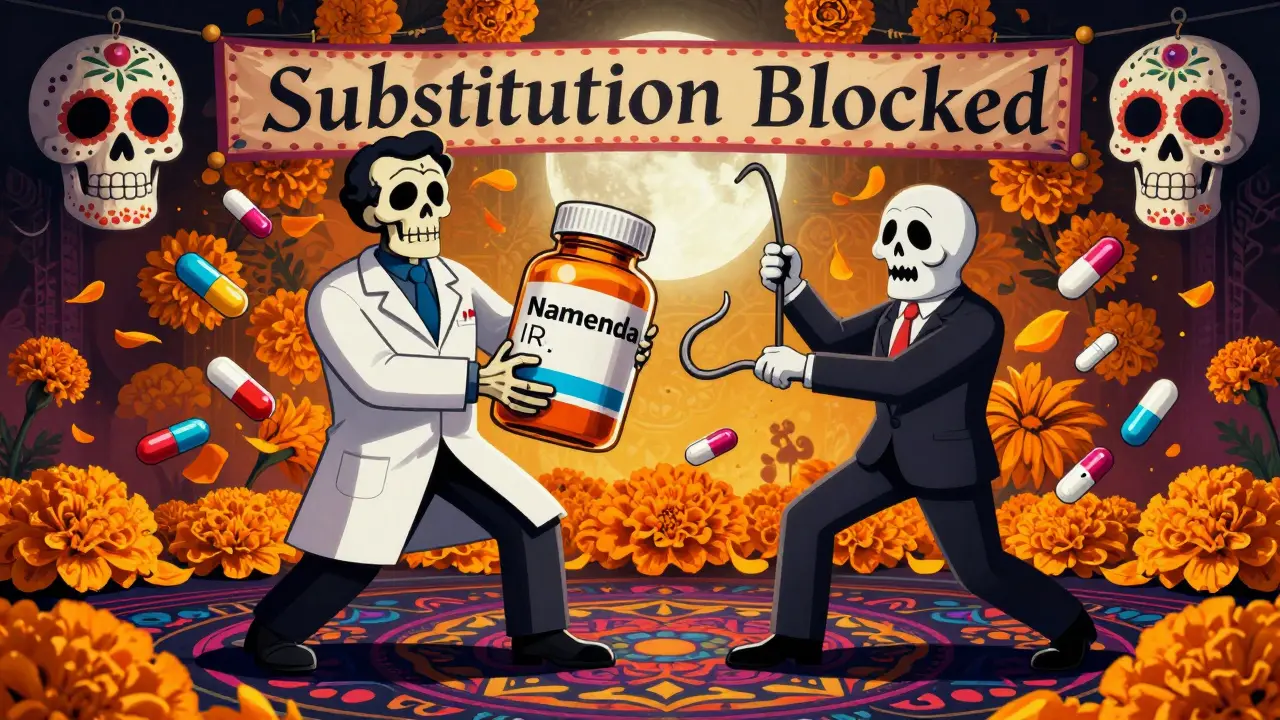
Big pharma uses legal tricks like product hopping and REMS abuse to block cheaper generics. These tactics cost patients billions and undermine state substitution laws designed to save money.
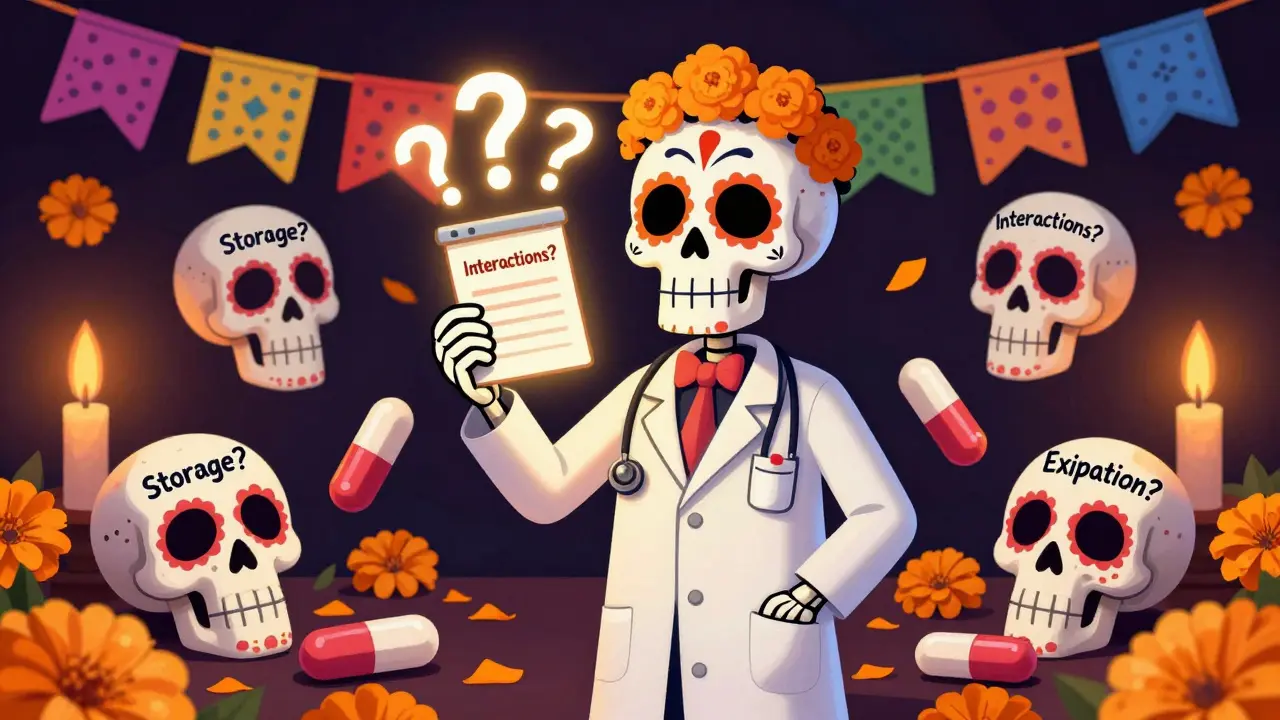
Learn the essential questions to ask at the pharmacy to avoid dangerous medication errors. Know what’s on your prescription label and how to verify it for safety.
Pharmacists play a critical role in catching problematic generic medications that can cause therapeutic failure or adverse effects. Learn when and how to flag unsafe substitutions, especially with narrow therapeutic index drugs.

Many gastrointestinal medications fail to work because of how the gut absorbs (or blocks) drugs. Learn why food, disease, and formulation affect effectiveness-and what you can do about it.

Learn how to safely exercise while taking statins to prevent muscle pain and injury. Practical tips backed by science for staying active without risking side effects.
Statins are safe and beneficial for people with liver disease, reducing heart attack risk and improving liver outcomes. Learn why doctors should prescribe them-and why patients need to ask.
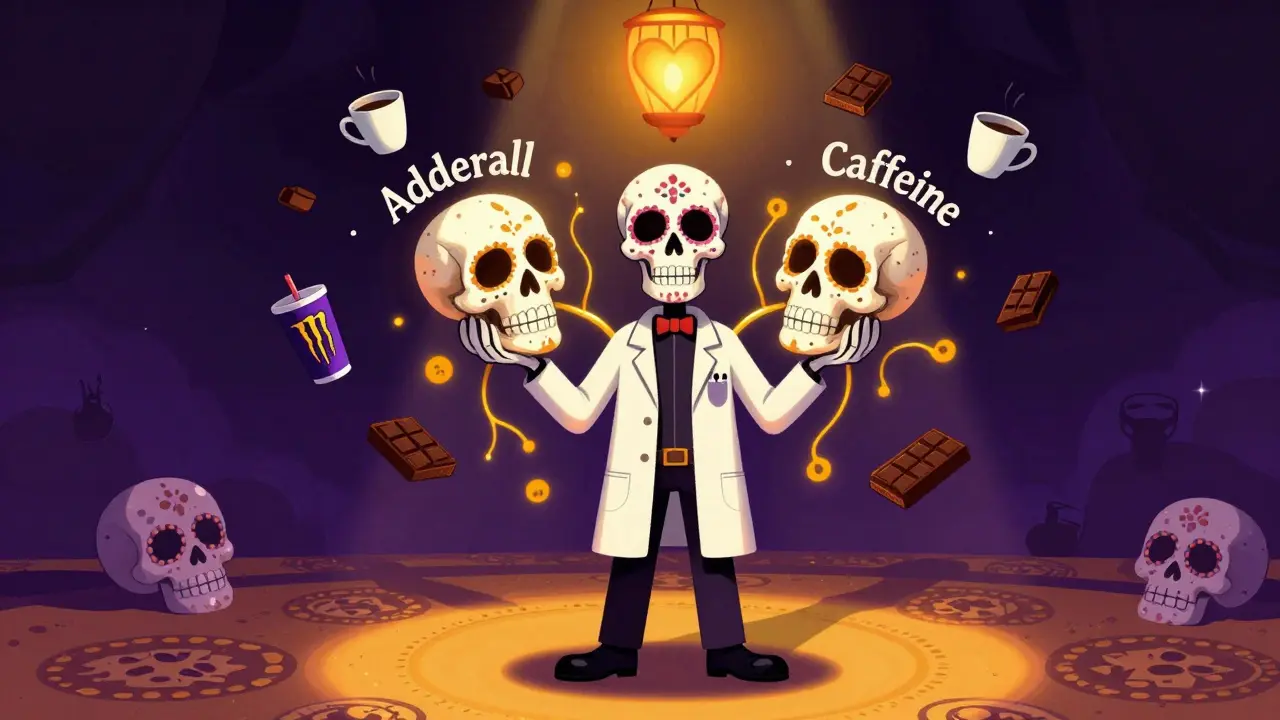
Caffeine and ADHD medications like Adderall can seem like a helpful combo, but they carry serious risks including anxiety, heart strain, and crashes. Learn how to safely manage this interaction-or avoid it altogether.

Learn how to purchase affordable generic atenolol online while staying safe. Get tips on spotting reputable pharmacies, price comparisons, and avoiding counterfeits.

As a blogger, I recently came across the topic of Melphalan and its effects on the skin. Melphalan is a chemotherapy drug that can cause dermatological side effects such as rashes, redness, and irritation. To manage these side effects, it's essential to maintain proper skin hygiene, use gentle skincare products, and avoid excessive sun exposure. In some cases, doctors may prescribe topical treatments or medications to alleviate symptoms. Remember to consult with your healthcare provider to find the best management strategy for your specific situation.

Inflammation doesn’t always need a prescription pad and a bottle of steroids. This article dives deep into well-researched natural anti-inflammatories like curcumin, boswellia, omega-3s, and other botanicals. Learn how these alternatives function, their proven benefits, and practical tips for getting the most out of them—without the side effects of pharmaceuticals. Discover how you can harness the power of nature to tame inflammation and support your health.

PCI and CABG are two proven treatments for blocked heart arteries. Learn how doctors decide which one is right for you based on diabetes, blockage complexity, and long-term outcomes.

In my recent deep dive into the workings of Ornidazole, I found that it operates as an effective antibacterial and antiprotozoal medication. It primarily fights against infections by damaging the DNA of the pathogenic microorganisms, preventing them from reproducing or spreading further. Ornidazole selectively targets and enters bacterial cells, then interferes with their genetic material. This intricate process ultimately leads to the death of the bacteria or protozoa, effectively treating the infection. With its unique mechanism, Ornidazole is a powerful tool in our medical arsenal.