Every day, pharmacists dispense millions of generic medications. They’re cheaper, widely available, and approved by the FDA. But not all generics are created equal. While most work just fine, some can cause real harm - especially when patients don’t realize they’ve been switched from one manufacturer to another. The question isn’t whether generics are safe. It’s: when should a pharmacist stop and ask, ‘Is this the right one for this patient?’
Not All Generics Are Created Equal
Generic drugs are required to have the same active ingredient, strength, and dosage form as the brand-name version. The FDA says they’re bioequivalent - meaning they deliver the same amount of drug into the bloodstream within a certain range (80-125% of the brand). That sounds solid. But here’s the catch: that 20% variation on either side isn’t just a number. For some drugs, even a small shift can mean the difference between control and crisis. Take levothyroxine, for example. It’s a thyroid hormone replacement. Patients need precise levels. A study in the Journal of the American Pharmacists Association found that switching between generic manufacturers of levothyroxine led to a 2.3 times higher rate of therapeutic failure. One patient in Calgary had their TSH jump from 2.1 to 8.7 after a switch - not because they missed a dose, but because the new generic absorbed differently. That’s not rare. Pharmacists report this pattern often. The same goes for warfarin, phenytoin, and digoxin. These are narrow therapeutic index (NTI) drugs. The window between effective and toxic is razor-thin. The FDA has flagged 18 NTI drugs as high-risk for substitution problems. Digoxin alone sees 12.7 adverse events per 10,000 prescriptions when generics are switched - more than triple the rate of non-NTI drugs.Look-Alike, Sound-Alike: The Silent Killer
It’s not always about chemistry. Sometimes, it’s about confusion. Oxycodone/acetaminophen and hydrocodone/acetaminophen look almost identical on the bottle. Same color. Same shape. Same size. The only difference is the name. A 2022 report from the Institute for Safe Medication Practices found that look-alike/sound-alike (LASA) errors account for 14.3% of all generic medication mistakes. One pharmacist in Edmonton told of a patient who got hydrocodone instead of oxycodone - and ended up in the ER with respiratory depression. The prescription was correct. The label was correct. But the pill looked too much like another drug. Pharmacists can’t rely on the computer to catch this. They have to look. They have to verify. They have to ask: Did the patient get this exact brand last time? Did they have issues before?Extended-Release and Complex Formulations: The Hidden Risks
A pill that releases medicine slowly over 12 hours is harder to copy than a quick-release tablet. The FDA found that 7.2% of generic extended-release opioids failed dissolution testing - meaning the drug didn’t release as promised. That’s more than six times higher than the failure rate for immediate-release generics. Diltiazem CD, a long-acting blood pressure medication, had 47 cases of therapeutic failure between 2021 and 2022 - all traced to inconsistent release profiles in a specific generic version. Patients didn’t feel worse. Their blood pressure didn’t spike suddenly. But over weeks, their control slipped. Their doctor assumed noncompliance. The pharmacist didn’t know to check the manufacturer. Complex generics - like inhalers, injectables, and topical creams - make up only 1.2% of approved generics but 27% of the brand-name market. These are the hardest to copy. And the FDA is still catching up. In 2023, 38.2% of all drug shortages were due to quality issues in generic manufacturing. If a patient’s inhaler suddenly doesn’t work like it used to, it’s not ‘in their head.’ It’s the generic.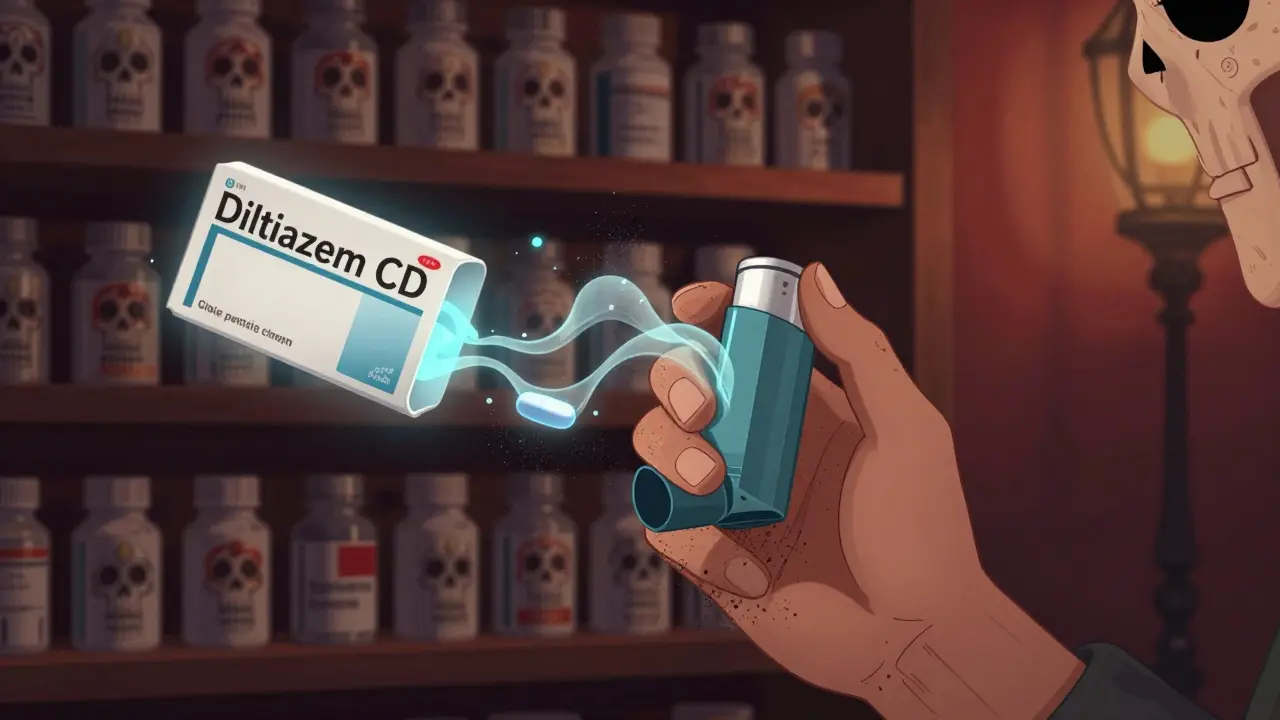
When to Flag: The 5 Red Flags for Pharmacists
You don’t need to be suspicious of every generic. But here are five clear situations when you should stop, investigate, and intervene:- Therapeutic failure within 2-4 weeks of a switch - Especially with NTI drugs. If a patient’s blood sugar, thyroid level, or seizure control changes after a generic switch, it’s not coincidence.
- Unexplained side effects - Nausea, dizziness, or rash that didn’t exist before the switch. Patient reports are real. A 2023 Consumer Reports survey showed 22.4% of patients experienced new side effects after switching manufacturers.
- Multiple manufacturer switches - One switch might be fine. Two or three in a year? That’s a pattern. Each change introduces variability. For levothyroxine or warfarin, that’s dangerous.
- Patients who’ve had prior issues - If someone says, ‘This one doesn’t work like the last one,’ listen. Don’t dismiss it as placebo. Document the brand and manufacturer. Track it.
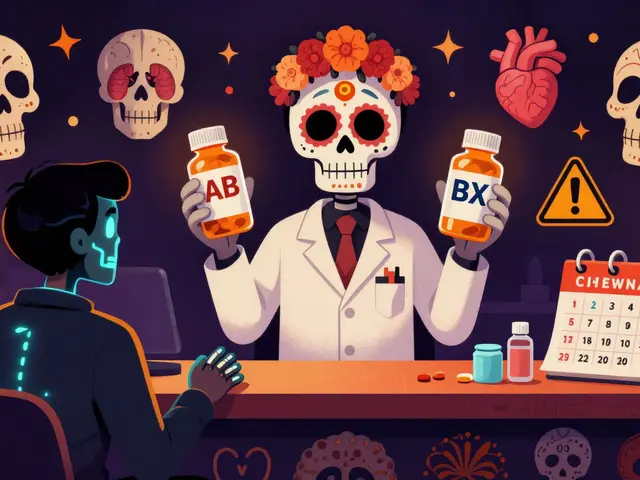
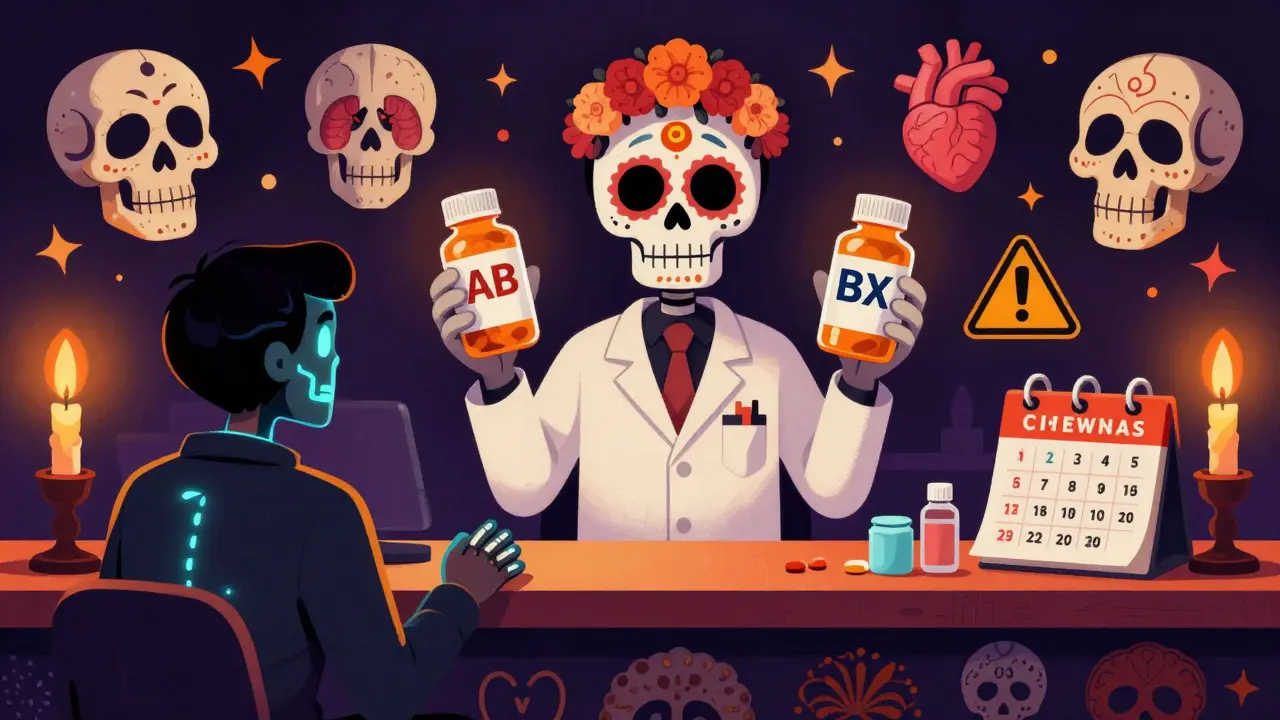
- High-risk drugs with BX ratings - Check the FDA’s Orange Book. If a generic is rated ‘BX’ (not therapeutically equivalent), don’t dispense it unless the prescriber specifically authorizes it. That rating means the FDA doesn’t consider it interchangeable.
What to Do When You Flag an Issue
Don’t just note it. Act. First, document everything: the brand name, generic manufacturer, lot number, and date dispensed. If a problem arises later, you’ll need that info to trace it. A 2022 University of Florida study found that 68.4% of therapeutic failure investigations required manufacturer-specific data. Second, talk to the patient. Ask: ‘Have you noticed any changes since the last refill?’ Don’t assume they know what to report. Offer to contact the prescriber with your findings. Third, report it. Use the FDA’s MedWatch system. It takes under five minutes. Or report to the Institute for Safe Medication Practices. Your report could prevent another patient from being harmed. Fourth, consider staying with one manufacturer. If a patient is stable on a specific generic, don’t switch them unless necessary. Many pharmacies now allow patients to request a specific generic brand - and they should.Why This Matters More Than You Think
Generics saved the U.S. healthcare system over $375 billion in 2023. That’s huge. But cost savings shouldn’t come at the cost of safety. A 2022 survey of 1,247 pharmacists found that 63.2% had encountered a problematic generic substitution in the past year. Nearly 30% reported patient harm. That’s not a glitch. That’s a systemic blind spot. And it’s not just about the drug. It’s about trust. When patients lose confidence in their meds - because they feel different, or their condition worsens - they stop taking them. That’s when hospitalizations happen. That’s when deaths happen.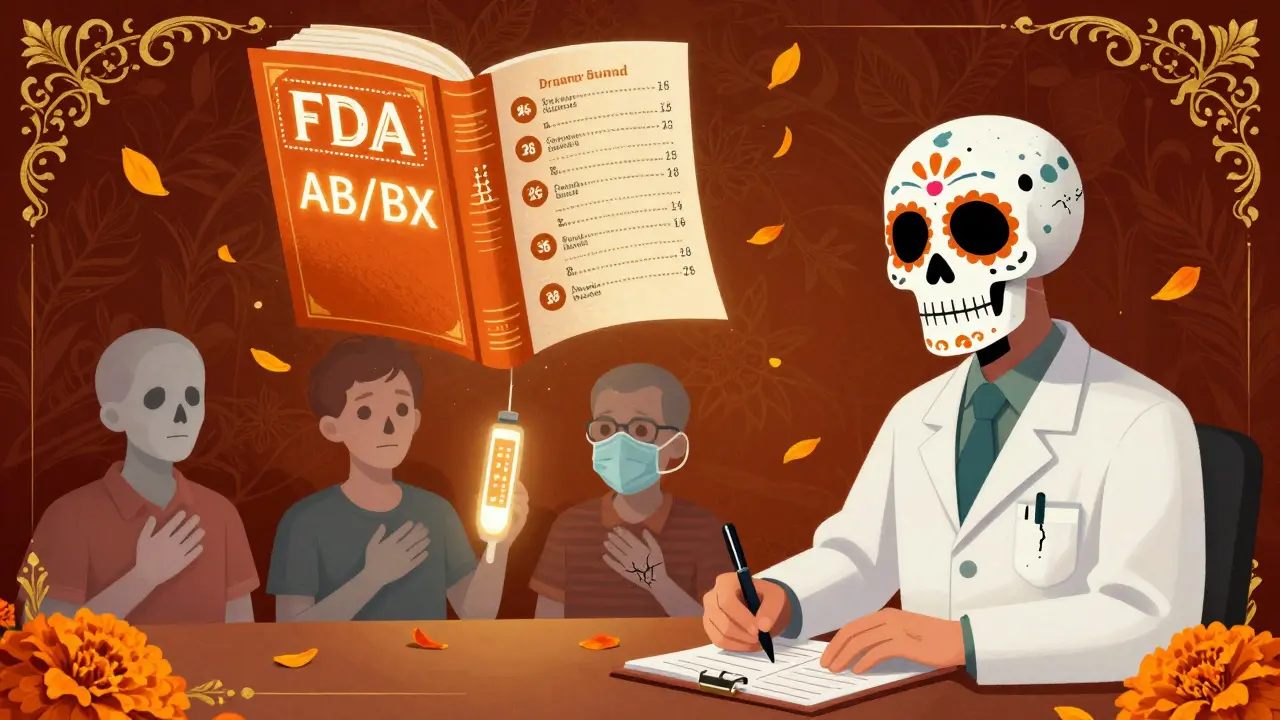
What’s Changing Now
The FDA is stepping up. Under GDUFA III, $1.14 billion is being invested over five years to improve post-market surveillance. They’re increasing generic drug sampling by 40% over the next three years. They’re using AI to spot patterns in adverse event reports. And they’re creating new guidelines for complex generics. But the frontline is still the pharmacy counter. No algorithm can replace a pharmacist who notices a patient looks different, asks a question, or says, ‘This isn’t working like before.’ The system is designed to assume generics are safe. But safety isn’t automatic. It’s earned - by vigilance, by listening, by refusing to accept ‘it’s just a generic’ as an answer.Frequently Asked Questions
Are all generic drugs safe?
Most are. The FDA approves over 97% of generic drugs as bioequivalent to brand-name versions. But safety isn’t guaranteed for every patient or every drug. Certain medications - like levothyroxine, warfarin, and digoxin - are more sensitive to small changes in absorption. Even if a generic is FDA-approved, it can still cause problems in individuals who are highly sensitive to dosage variations.
What does ‘AB’ and ‘BX’ mean on the FDA Orange Book?
‘AB’ means the generic is rated as therapeutically equivalent to the brand-name drug and can be substituted without concern. ‘BX’ means the FDA does not consider it equivalent - often due to incomplete bioequivalence data or formulation issues. Pharmacists should never substitute a BX-rated drug unless the prescriber specifically requests it and the patient is informed.
Can I ask for the same generic manufacturer every time?
Yes. Many pharmacies allow patients to request a specific generic brand, especially for NTI drugs. If you’ve had good results with a particular manufacturer, ask your pharmacist to fill your prescription with that version. You may need to pay a little more if it’s not the lowest-cost option, but your health is worth it.
Why do some generic drugs cause different side effects?
While the active ingredient is the same, inactive ingredients - like fillers, dyes, and coatings - can vary between manufacturers. These can affect how quickly the drug dissolves or how it’s absorbed. For some people, this leads to new side effects like nausea, headaches, or dizziness. It’s not the drug failing - it’s the formulation.
How can I report a problematic generic?
You can report adverse events to the FDA through MedWatch, either online or by phone. Pharmacists can also report to the Institute for Safe Medication Practices (ISMP) through their confidential reporting program. These reports help the FDA identify patterns and take action - like recalling a batch or updating labeling. Your report matters.