
Feeling overwhelmed by the flood of information about mental health? You’re not alone. On this page we break down the basics you need right now—what conditions are common, which medicines actually help, and when it’s time to talk to a doctor.
First off, let’s name the most frequent issues people face. Depression shows up as persistent sadness, low energy, and loss of interest in things you used to love. Anxiety often feels like nonstop worry, racing thoughts, or a tight chest that won’t quit.
Then there are psychotic disorders such as schizophrenia or psychotic depression. These bring hallucinations, delusions, or severe mood swings that can make daily life feel impossible. Knowing the symptoms helps you spot when professional help is needed.
Medication isn’t a magic fix, but it can be a game‑changer for many. Antidepressants like SSRIs lift brain chemistry to ease low mood. Anti‑anxiety pills calm the nervous system and reduce panic attacks. For psychotic conditions, antipsychotics are the mainstay.
Take Clozapine as an example. It’s an atypical antipsychotic that doctors turn to when other drugs fail for psychotic depression. Clozapine tackles both the depressive slump and the psychotic symptoms, giving many patients a chance at a steadier life. The catch? You need regular blood tests because of rare but serious side effects.
So how do you decide if medication is right for you? Start by talking to a healthcare professional about your exact symptoms. They’ll weigh benefits against risks, consider other treatments like therapy, and set up monitoring if a drug like Clozapine is prescribed.
Beyond pills, lifestyle tweaks matter too. Regular sleep, balanced meals, and gentle exercise can boost the effect of any medication you’re on. Think of them as supporting actors that help the main star—your prescription—perform better.
If you’re reading this because a loved one is struggling, remember: staying informed empowers you to ask the right questions. Ask about dosage, side‑effects, and what to watch for in daily life. Keep a notebook of any changes; it makes follow‑up appointments more productive.
Bottom line? Mental health care is a mix of understanding conditions, choosing the appropriate medicine, and adding everyday habits that support recovery. This page will keep you updated with clear, practical info—no jargon, just what matters.

Imagery Rehearsal Therapy (IRT) is the most effective non-drug treatment for PTSD-related nightmares. Learn how rewriting your nightmares before sleep can break the cycle of trauma, improve sleep, and reduce PTSD symptoms-backed by clinical research.
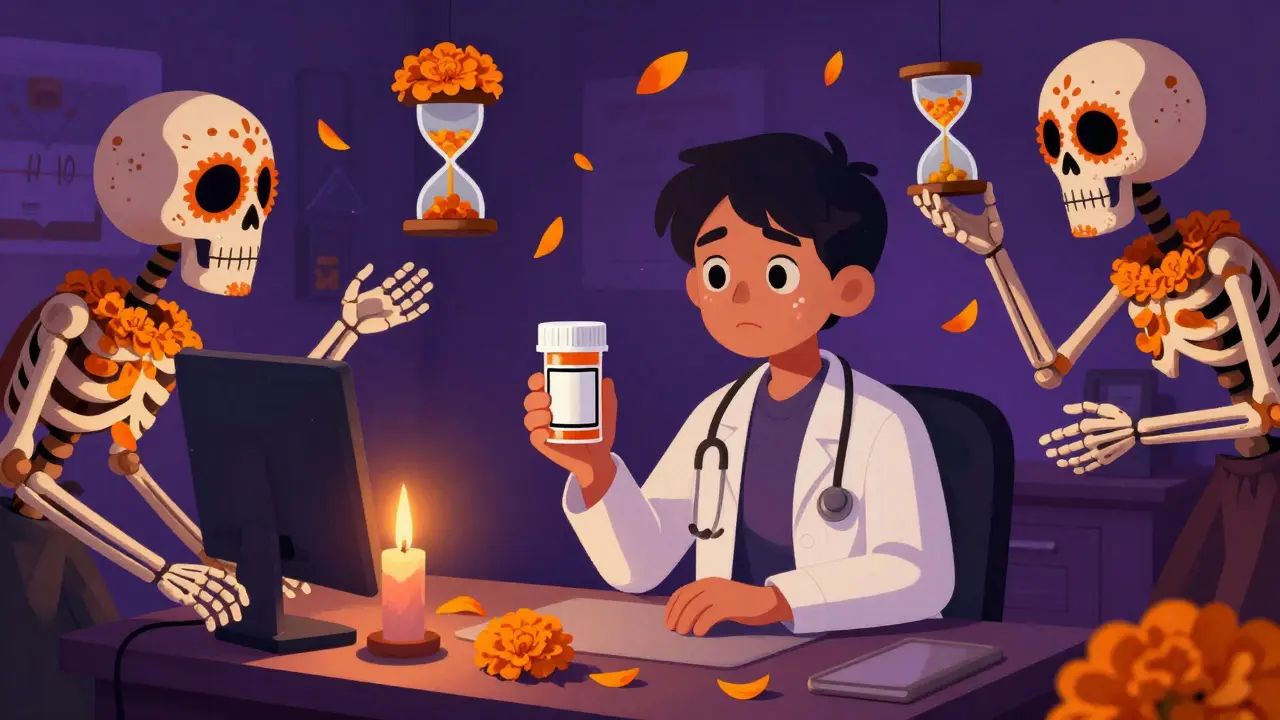
The FDA's black box warning on antidepressants warns of increased suicidal thoughts in young people - but the real danger may be avoiding treatment altogether. Here's what the data really shows.

Bipolar depression and unipolar depression look alike but require completely different treatments. Misdiagnosis can lead to dangerous side effects. Learn how to tell them apart and what treatments actually work.

Learn how to manage panic attacks with proven breathing, grounding, and medication strategies. This action plan helps reduce frequency, shorten episodes, and regain control during panic moments.

Partial onset seizures don't just affect the body-they deeply impact mental health, often leading to depression and anxiety. Learn how brain changes, medication side effects, and social stigma shape emotional well-being-and what actually helps.
Psychiatric polypharmacy-taking multiple mental health medications at once-is common but often unsupported by evidence. Learn why it happens, the risks involved, and how to safely reduce unnecessary drugs without losing stability.
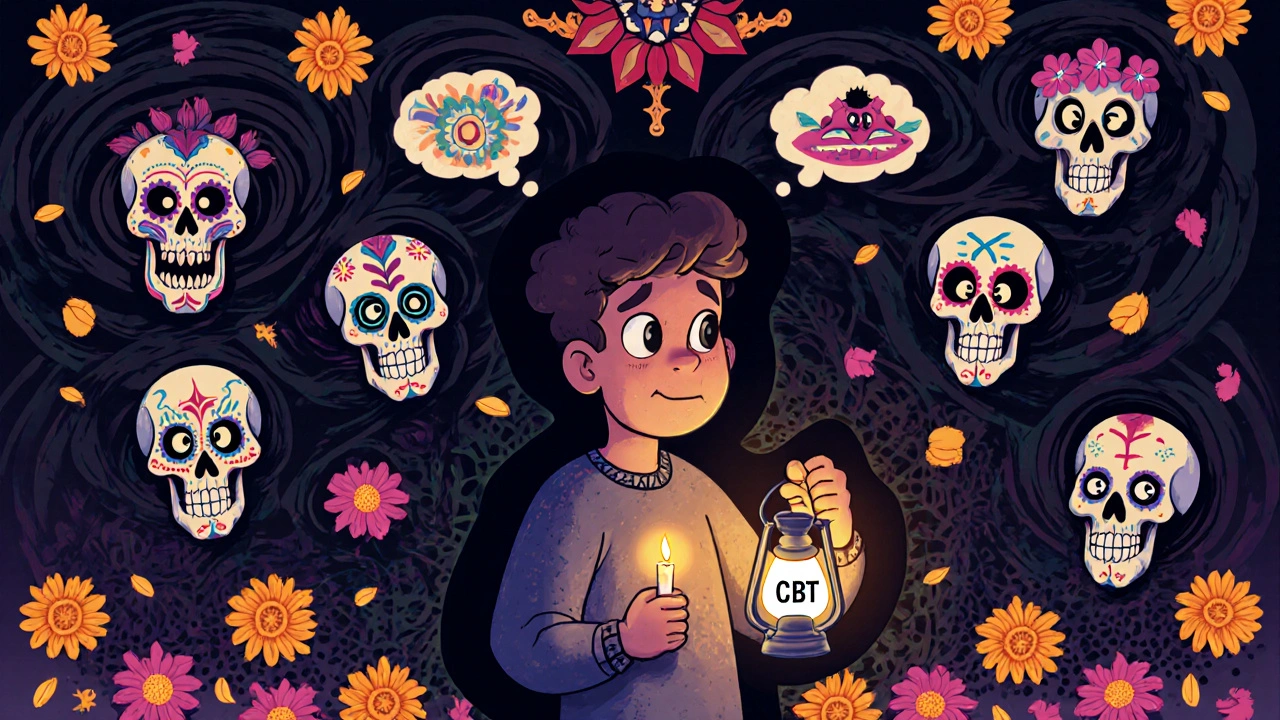
Anxiety disorders affect nearly 1 in 5 adults and include types like GAD, panic disorder, and social anxiety. Evidence-based treatments like CBT and SSRIs are highly effective, with new options like digital apps and zuranolone emerging in 2023.
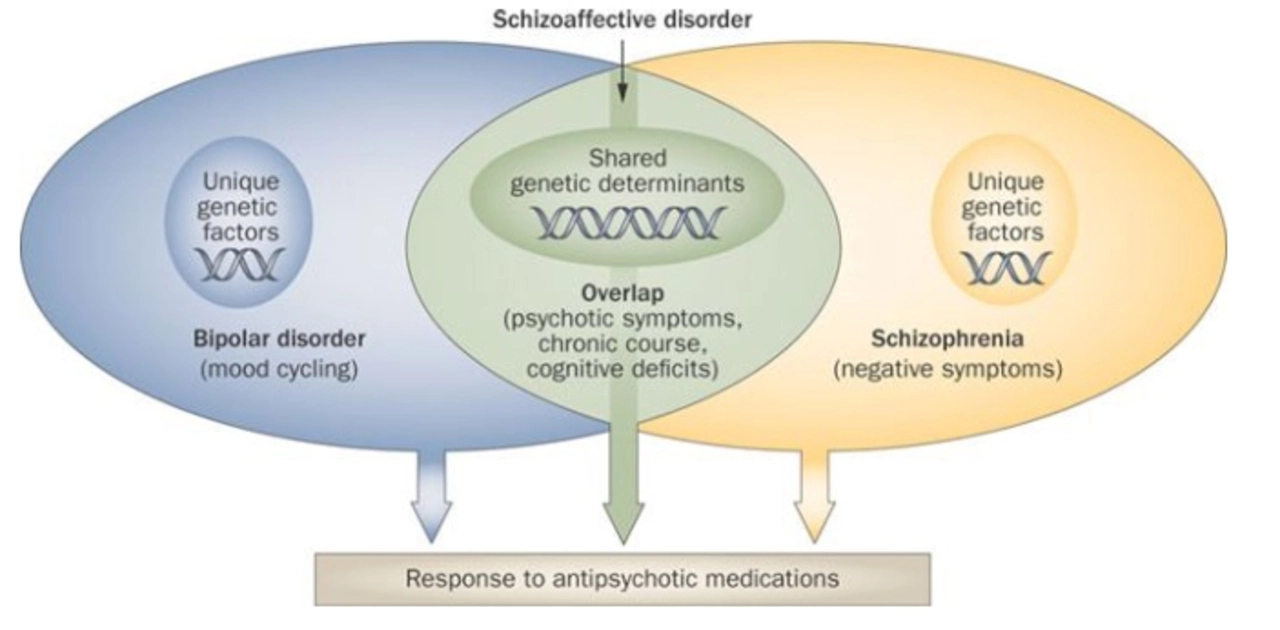
As a blogger, I've recently come across the topic of the role of Clozapine in the management of psychotic depression. Clozapine, an atypical antipsychotic medication, is used to treat severe cases of this mental health disorder when other treatments have failed. Its unique properties help in alleviating both psychotic symptoms and depressive episodes. However, it's essential to be aware of the potential side effects and monitor blood levels closely while administering this medication. In conclusion, Clozapine plays a crucial role in managing psychotic depression, improving the quality of life for those who suffer from this challenging condition.

Hey there, folks! So, let's tackle the heavyweight topic of how indomethacin, a medication often used for severe arthritis, interacts with our blood pressure. Picture this: indomethacin, the main character in our story, can sometimes be a bit of a naughty rascal, nudging up our blood pressure readings. It's like it's playing a bit of a roller-coaster game with our heart rates! That's why, if you're a regular user, it's important to keep an eagle eye on your blood pressure, because we all know, surprises are good only at birthdays, not with health! So, remember, with indomethacin, it's always better to be a bit of a control freak, monitoring your blood pressure more often than you check your phone!
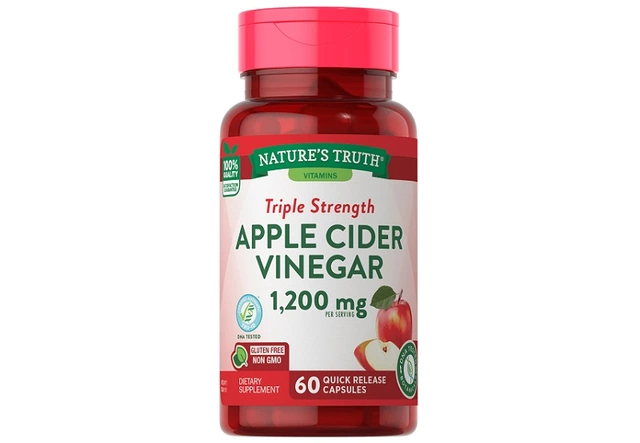
I recently discovered the incredible healing properties of Hedge-Hyssop, and I can't wait to share this new go-to dietary supplement with you all! Not only does this powerful herb support digestion and ease stomach issues, but it also helps to reduce inflammation and alleviate pain. As a natural remedy, Hedge-Hyssop has been proven to be safe and effective. I've personally experienced its benefits and highly recommend giving it a try. Incorporating Hedge-Hyssop into your daily routine could be the perfect addition to support your overall health and well-being.

Secondary patents let pharmaceutical companies extend market exclusivity by patenting minor changes to drugs - not the active ingredient, but how it's delivered, used, or made. These tactics delay generics and keep prices high.
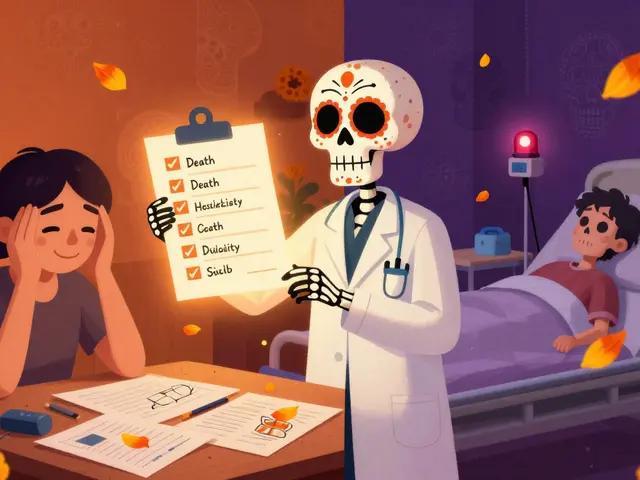
Learn the critical difference between serious and non-serious adverse events in clinical trials-and when each must be reported. Understand the six FDA criteria, avoid common mistakes, and ensure patient safety without overwhelming the system.
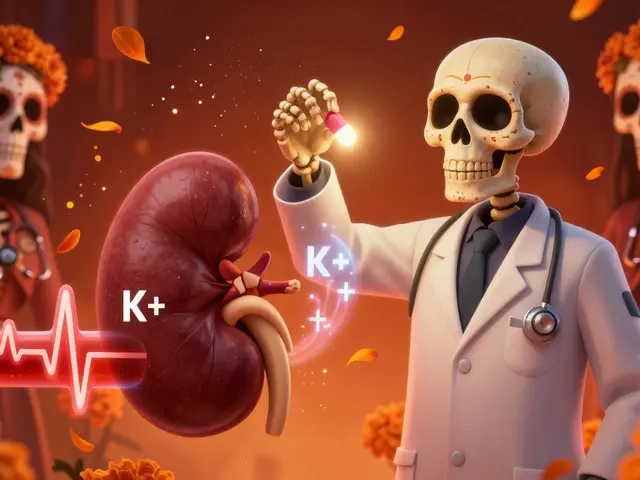
Trimethoprim, found in Bactrim and Septra, can cause dangerous spikes in potassium levels, especially in older adults and those on blood pressure meds. Learn who’s at risk, how fast it happens, and what to ask your doctor.