Trimethoprim Hyperkalemia Risk Calculator
This tool helps assess your risk of dangerous potassium elevation when taking trimethoprim (Bactrim/Septra). Based on your risk factors, it calculates a score and provides personalized recommendations.
Risk Factors
Your Risk Assessment
Recommended Actions
Most people think of antibiotics as simple fixes for infections - take a pill, feel better. But some antibiotics carry hidden dangers that don’t show up until it’s too late. One of them is trimethoprim, a key ingredient in the widely used antibiotic combo Bactrim or Septra. It’s prescribed for urinary tract infections, sinus infections, and even to prevent pneumonia in people with weakened immune systems. But here’s the part no one talks about: trimethoprim can silently push your potassium levels into dangerous territory, sometimes within just two days.
How a Common Antibiotic Acts Like a Diuretic You Didn’t Know You Were Taking
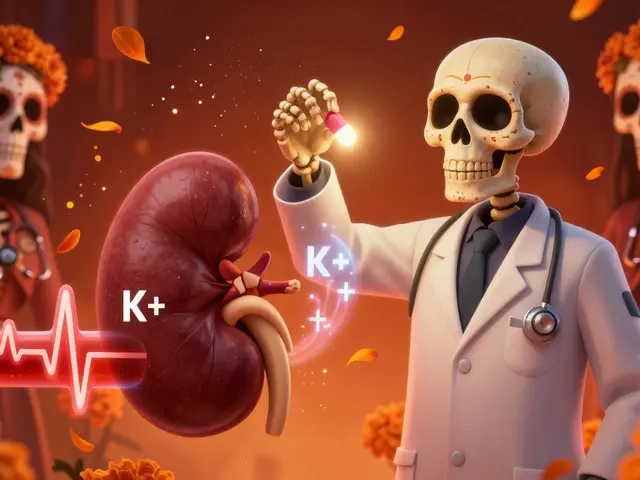
Trimethoprim doesn’t work like most antibiotics. It doesn’t just kill bacteria - it also interferes with how your kidneys handle potassium. The mechanism is surprisingly simple: trimethoprim mimics a drug called amiloride, which is used to treat high blood pressure by helping your body hold onto potassium. When trimethoprim blocks the sodium channels in your kidney’s filtering units, your body can’t get rid of potassium the way it should. Instead of being flushed out in urine, potassium builds up in your blood.
This isn’t a rare side effect. In healthy adults, about 8 out of every 100 people who take trimethoprim will see their potassium levels rise above normal. But for someone over 65, with kidney trouble or already on blood pressure meds like lisinopril or losartan, that risk jumps to nearly 1 in 6. And in some cases, potassium levels can spike to 7.8 mmol/L - way above the safe range of 3.5 to 5.0. At that level, your heart can start beating irregularly or even stop.
Who’s Most at Risk - And Why Most Doctors Still Miss It
You might think, “I’m young and healthy, so I’m fine.” But the data says otherwise. A 2023 case report described an 80-year-old woman with normal kidney function who took a single daily dose of Bactrim for a urinary infection. Three days later, she went into cardiac arrest. Her potassium was 7.8. She had no history of kidney disease. No symptoms before it happened.
The real problem? Doctors don’t always check potassium levels before prescribing trimethoprim. A 2023 survey found that only 42% of primary care doctors routinely test potassium in patients on ACE inhibitors or ARBs - the very people who are most vulnerable. Emergency room doctors? Only 32%. Meanwhile, nephrologists - kidney specialists - check it nearly 90% of the time.
Here’s who needs to be extra careful:
- People over 65
- Those with chronic kidney disease (eGFR under 60)
- Anyone taking blood pressure meds like lisinopril, enalapril, losartan, or valsartan
- People with diabetes
- Those already on potassium-sparing diuretics like spironolactone
- Patients taking high-dose trimethoprim for pneumonia prevention
Even if you’re not on any of these meds, if you’re older or have any kidney issues, you’re still at higher risk. The drug concentrates in your kidneys 10 to 50 times more than in your blood. So even a small dose can have a big effect where it matters most.

How Fast Can This Happen - And What It Looks Like
Hyperkalemia doesn’t always cause symptoms. That’s what makes it so dangerous. You might feel fine until your heart starts acting up. But when symptoms do show up, they’re vague: fatigue, muscle weakness, nausea, or an irregular heartbeat. Many patients don’t realize anything’s wrong until they’re in the ER.
Studies show potassium levels begin rising within 24 hours of starting trimethoprim. By 48 to 72 hours, they peak. In one analysis of 37 severe cases, 78% of patients had potassium over 6.0 mmol/L within three days. That’s not a slow build-up - it’s a rapid spike. And once it hits that level, you might need emergency treatment: calcium gluconate to stabilize your heart, insulin and glucose to pull potassium into cells, or even dialysis.
The FDA added hyperkalemia to Bactrim’s boxed warning in 2019 - the strongest warning they can give. But warnings don’t change practice unless doctors act on them.
What to Do If You’re Prescribed Trimethoprim
If your doctor prescribes trimethoprim, ask these questions:
- Have you checked my potassium level recently?
- Am I on any blood pressure meds that could make this worse?
- Can we test my potassium before I start and again in 3 days?
- Is there a safer alternative for my infection?
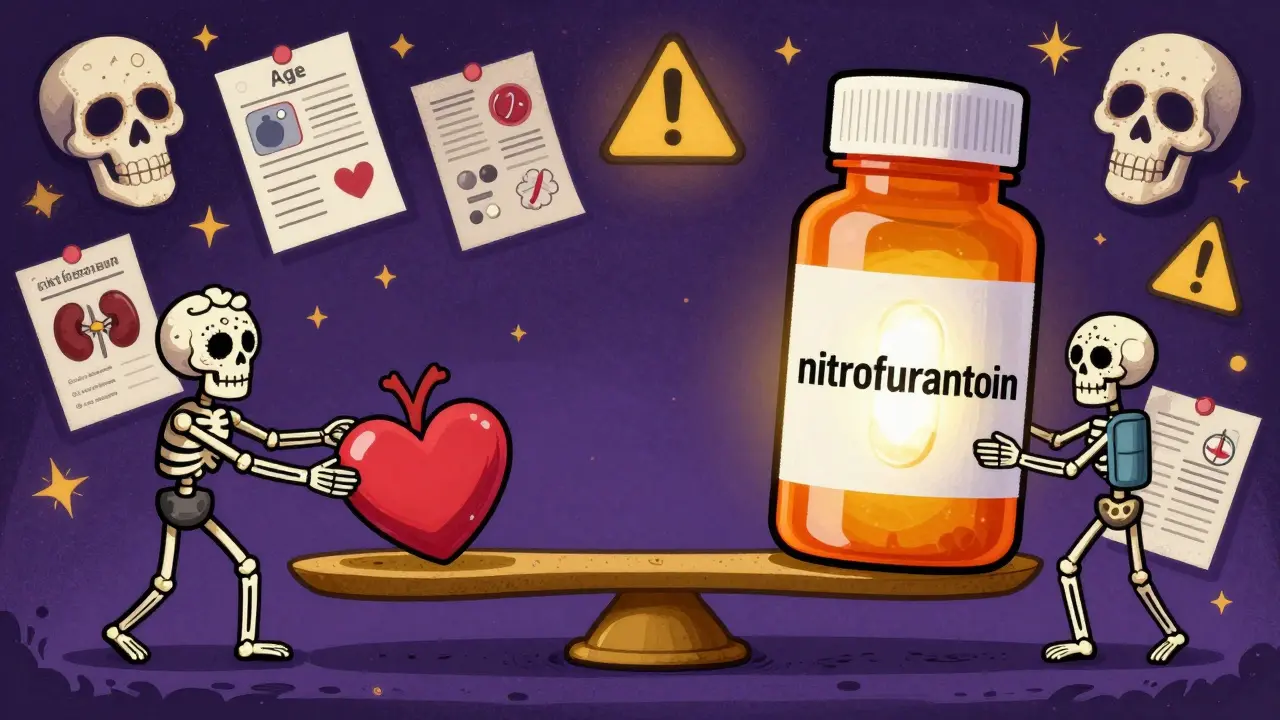
Alternatives exist - and they’re often better for people at risk. For urinary tract infections, nitrofurantoin is just as effective and carries no hyperkalemia risk. For other infections, amoxicillin or cephalexin are safer choices. If you’re on long-term trimethoprim for pneumonia prevention (common in HIV or transplant patients), your doctor should be checking your potassium every week.
If you’re already taking trimethoprim and have any of the risk factors above, don’t stop the drug on your own. But do ask for a potassium test. If your level is above 5.0 mmol/L, talk to your doctor about switching. If it’s above 5.5, the drug should be stopped immediately.
Why This Problem Keeps Happening - And What’s Being Done
Trimethoprim is cheap, widely available, and effective. It’s the third most prescribed antibiotic in the U.S., with over 14 million prescriptions a year. About 4 million of those go to people over 65 - the group most at risk. Despite years of warnings, many doctors still don’t test potassium before prescribing it.
But change is happening. Some hospitals now use electronic alerts that block trimethoprim prescriptions unless a recent potassium test is recorded. One 12-hospital system cut hyperkalemia cases by over half after adding this system. Pharmacists are now stepping in to flag high-risk prescriptions before they’re filled.
A new tool called the TMP-HyperK Score helps predict risk by combining age, baseline potassium, kidney function, and whether you’re on blood pressure meds. If you score high, your doctor should avoid trimethoprim entirely. The Institute for Healthcare Improvement now lists this issue as a top patient safety priority through 2026 - hoping to prevent 12,000 to 15,000 hospitalizations a year.
Bottom Line: Don’t Assume It’s Safe Just Because It’s Common
Trimethoprim isn’t dangerous for everyone. But for a large group of people - especially older adults and those on blood pressure meds - it’s one of the most under-recognized risks in outpatient medicine. It doesn’t cause stomach upset or rashes. It doesn’t make you feel sick. It quietly changes your body’s chemistry, and that’s what makes it deadly.
If you’re prescribed Bactrim or Septra, don’t just take it. Ask about your potassium. Ask about alternatives. If you’re on lisinopril, losartan, or any similar drug, insist on a blood test before you start - and again after three days. That one simple step could save your life.