Data Privacy & Protection

Introduction to Data Privacy

At FamilyDoctor.org, we recognize the importance of protecting our users' personal information and privacy. This GDPR compliance page aims to equip our users with an understanding of how we manage, store, and safeguard their data. We are committed to ensuring that our data practices align with the highest standards of data protection and respond to the General Data Protection Regulation (GDPR) as set forth by the European Union. To maintain the trust and confidence of our visitors, we transparently outline our procedures for data collection, processing, and retention, providing you with control over your personal information.

Your Rights Under the GDPR

As stipulated by the GDPR, individuals have specific rights concerning their personal data. These rights include the ability to access personal data, request correction or deletion of data, restrict or object to data processing, and data portability. Additionally, individuals have the right to withdraw consent at any time and to lodge a complaint with a supervisory authority. FamilyDoctor.org is dedicated to upholding these rights, and we have established mechanisms to ensure that you can easily exercise your rights regarding the information we hold about you.

Data Collection and Use

We collect data that is essential for providing our services to you, such as information about medications, diseases, and supplements. This collection includes data you provide when you visit our website, such as contact information, and any other identifiers that facilitate interaction with our platform. The purpose of this data collection is to improve the user experience, facilitate communication, and provide personalized healthcare advice. We strictly limit the use of your data to the purposes stated herein and do not share your information with third parties without your expressed consent unless legally required to do so.

Data Security Measures

Ensuring the security of your personal data is a top priority at FamilyDoctor.org. We employ a variety of physical, technical, and administrative measures to protect your information from unauthorized access, disclosure, alteration, and destruction. These measures include secure server technologies, encryption, and strict access control procedures among our team members. We conduct regular reviews of our security policies and protocols to adapt to the evolving cybersecurity landscape, making sure your data is protected against current and emerging threats.

Contact Information & Feedback

FamilyDoctor.org invites feedback on our data protection practices and GDPR compliance. If you have any questions, suggestions, or concerns about your personal data and privacy, please do not hesitate to contact the owner, Cyrus McAllister, via email at [email protected]. Alternatively, you can reach out by postal mail at the following address: 120 Scenic Acres Dr NW, Calgary, AB T3L 1C8, Canada. We value your input and are committed to continuous improvement of our privacy practices to better serve our community.


Cyrus McAllister
Cyrus McAllister

My name is Cyrus McAllister, and I am an expert in the field of pharmaceuticals. I have dedicated my career to researching and developing innovative medications for various diseases. My passion for this field has led me to write extensively about medications and their impacts on patients' lives, as well as exploring new treatment options for various illnesses. I constantly strive to deepen my knowledge and stay updated on the latest advancements in the industry. Sharing my findings and insights with others is my way of contributing to the betterment of global health.

View all posts by: Cyrus McAllister

RECENT POSTS

July 31, 2023
The impact of indomethacin on blood pressure: what patients should know

Hey there, folks! So, let's tackle the heavyweight topic of how indomethacin, a medication often used for severe arthritis, interacts with our blood pressure. Picture this: indomethacin, the main character in our story, can sometimes be a bit of a naughty rascal, nudging up our blood pressure readings. It's like it's playing a bit of a roller-coaster game with our heart rates! That's why, if you're a regular user, it's important to keep an eagle eye on your blood pressure, because we all know, surprises are good only at birthdays, not with health! So, remember, with indomethacin, it's always better to be a bit of a control freak, monitoring your blood pressure more often than you check your phone!

March 17, 2026
Grapefruit and Statins: What You Need to Know About the Dangerous Interaction

Grapefruit can dangerously increase statin levels in your blood, raising the risk of muscle damage and kidney failure. Learn which statins are affected, how to stay safe, and what to do if you love grapefruit.

April 23, 2025
Pyridostigmine Bromide: Long-Term Efficacy and Safety for Myasthenia Gravis

This article explores how well pyridostigmine bromide works for people with myasthenia gravis over long periods. It covers how the medication helps with daily symptoms, its long-term side effects, and what patients can expect from ongoing use. You'll get practical advice on managing the medication, what to watch out for, and how to talk to your doctor about adjusting doses. The article also looks at what recent research says about the safety of using pyridostigmine for years. It's straightforward, direct, and focused on helping patients and caregivers make informed decisions.

June 18, 2023
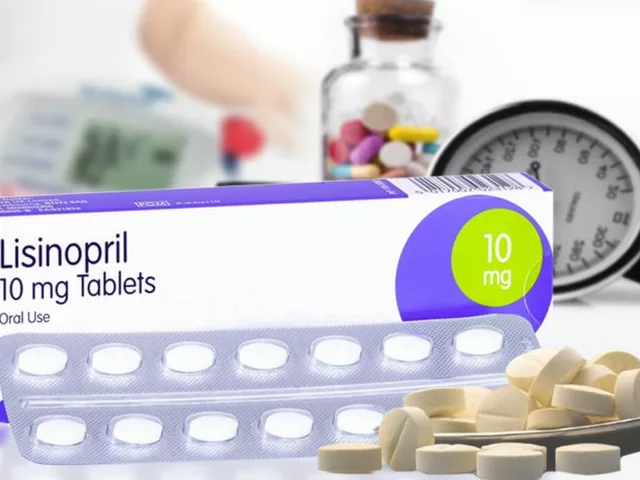
The potential long-term effects of Lisinopril usage

As a blogger, I've been researching the potential long-term effects of Lisinopril usage. Lisinopril, an ACE inhibitor, is commonly prescribed to treat high blood pressure and heart failure. While it may be effective in managing these conditions, it's important to be aware of the possible long-term effects. Some studies suggest that prolonged use of Lisinopril could potentially lead to kidney impairment, electrolyte imbalances, and an increased risk of angioedema. It's crucial to discuss these risks with your healthcare provider and weigh the potential benefits and drawbacks of using this medication long-term.

January 1, 2026
PCI vs. CABG: Which Coronary Revascularization Option Is Right for You?

PCI and CABG are two proven treatments for blocked heart arteries. Learn how doctors decide which one is right for you based on diabetes, blockage complexity, and long-term outcomes.