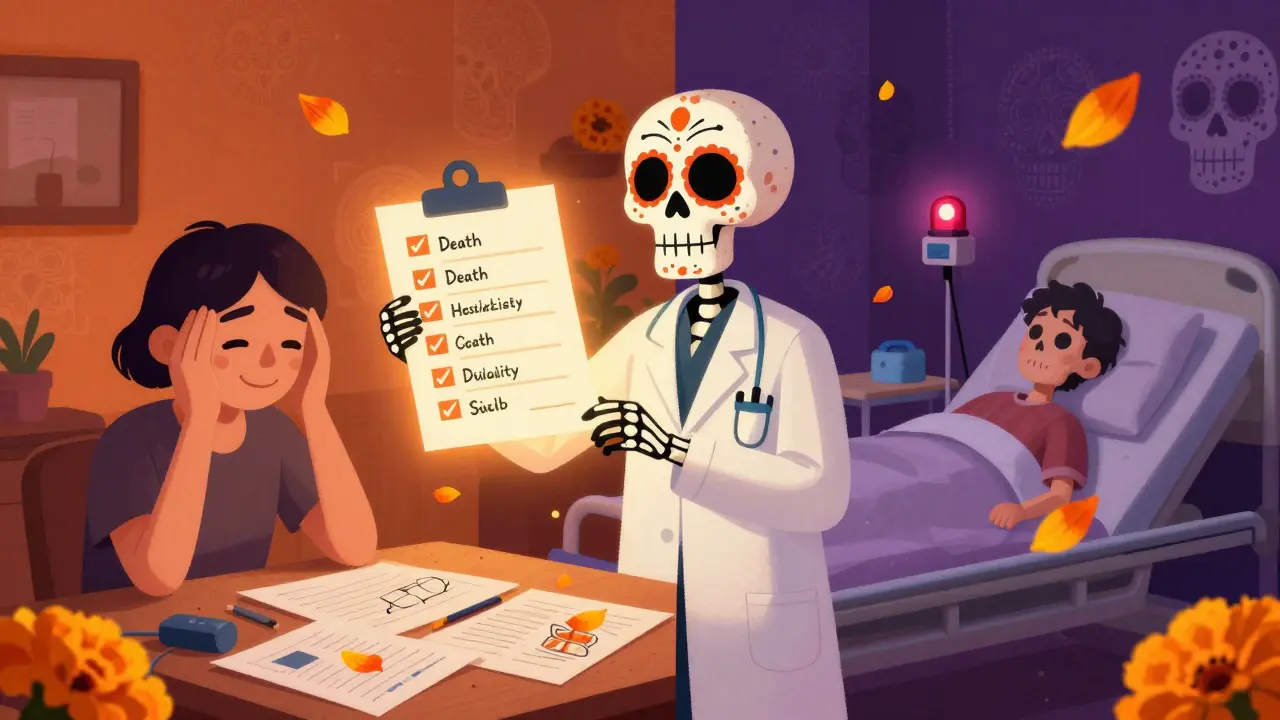
When you're running a clinical trial, not every bad reaction to a drug is the same. Some events are minor, like a headache that goes away in a day. Others can change someone’s life-or end it. The difference between serious adverse events and non-serious ones isn’t about how bad the symptom feels. It’s about what happens to the patient. Get this wrong, and you waste time, confuse regulators, and worse-you might miss a real danger.
What Makes an Adverse Event "Serious"?
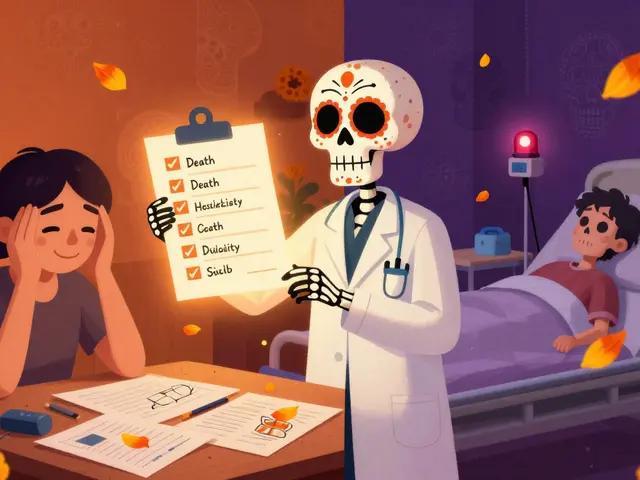
An adverse event (AE) is any unwanted medical occurrence during a clinical trial, whether it’s linked to the drug or not. But only a small portion of those are classified as serious. The FDA and global regulators define serious adverse events (SAEs) by six specific outcomes, not intensity. If an event meets even one of these criteria, it’s serious:
- It caused death
- It was life-threatening
- It required hospitalization or extended an existing hospital stay
- It led to permanent disability or significant loss of function
- It caused a birth defect
- It needed urgent medical intervention to prevent one of the above
Notice what’s missing? "Severe pain" or "intense nausea" aren’t enough. A patient can have a crushing headache (severe intensity) and still not meet seriousness criteria if it doesn’t lead to hospitalization, disability, or another outcome on the list. That’s a common mix-up. In fact, a 2020 report from the Clinical Trials Transformation Initiative found that nearly 37% of reports labeled as serious by investigators didn’t actually meet the definition. That’s hundreds of hours wasted per network just sorting through noise.
Why the Difference Matters
Reporting every little side effect as if it’s life-threatening doesn’t protect patients-it hides the real risks. Think of it like an alarm system that goes off every time someone opens a window. You stop listening. That’s what happens when non-serious events flood the system.
The FDA’s Sentinel Initiative has processed over 14.7 million adverse event reports since 2008. Only about 18% of those met the seriousness criteria. That means 82% were noise. Regulatory agencies, sponsors, and ethics boards get buried under reports that don’t require action. Meanwhile, a real safety signal-a pattern of unexpected deaths or liver failure-can get lost in the clutter.
Dr. Janet Woodcock, director of the FDA’s Center for Drug Evaluation and Research, put it bluntly in 2022: "The current system is overwhelmed by non-serious events reported as serious, diluting attention from truly critical safety signals." That’s not just a policy issue. It’s a patient safety issue.
When and How to Report
Reporting timelines are strict-and different for serious vs. non-serious events.
For serious adverse events:
- Investigators must tell the trial sponsor within 24 hours of learning about the event-even if they’re not sure it’s related to the drug.
- Sponsors must report to the FDA within 7 days if the event is life-threatening, and 15 days for other serious events.
- For institutional review boards (IRBs), most sites must report SAEs within 7 days of the investigator’s discovery.
These deadlines are non-negotiable. Missing them can trigger audits, delays in trial approval, or even suspension.
For non-serious adverse events:
- These go into the Case Report Form (CRF) as part of routine data collection.
- They’re typically summarized and reported to the sponsor monthly or quarterly, depending on the study’s Data and Safety Monitoring Plan (DSMP).
- Many IRBs don’t require reporting non-serious events at all unless the protocol specifically says so.
There’s no rush. No 24-hour clock. Just accurate documentation. That’s it.

The Severity vs. Seriousness Trap
This is where most people stumble. "Severe" and "serious" are not the same.
Severity describes intensity: mild, moderate, or severe. A severe cough might be loud and exhausting-but if it doesn’t cause hospitalization or breathing failure, it’s not serious. A mild rash might be itchy, but if it leads to anaphylaxis and ICU admission, it’s serious.
Dr. Robert Temple, former FDA deputy director, called this confusion "one of the most persistent errors in clinical trial safety reporting." In oncology trials, where patients often have baseline symptoms from cancer or chemo, this gets even trickier. A "severe" fatigue score on a scale might be normal for someone with advanced disease. But if that same patient ends up in the ER because their heart rate spiked and they passed out-that’s serious, regardless of how tired they were before.
That’s why the NIH’s 2018 guidelines and the ICH E2A standard emphasize outcome, not symptoms. A decision tree helps: Did it cause death? Life threat? Hospitalization? Disability? If yes to any, it’s serious. If no, it’s not.
Real-World Mistakes and How to Avoid Them
At the University of California, San Francisco, over 42% of adverse event reports submitted in 2022 needed clarification because staff misclassified seriousness. At SWOG Cancer Research Network, nearly one-third of SAE reports had to be corrected after submission-wasting 18.5 full-time hours every week just fixing errors.
Reddit threads from clinical coordinators are full of frustration. One user wrote: "I reported a patient’s panic attack as an SAE because it was "severe." My IRB said no. But what’s the line? I don’t know anymore."
That’s not just a personal problem-it’s a systemic one. A 2022 survey of 347 research sites found that 63% had inconsistent seriousness determinations across studies. In oncology, that number jumped to 78%. Why? Because patients are already sick. It’s hard to tell what’s the disease and what’s the drug.
Here’s how to fix it:
- Train everyone. ICH E6(R2) requires documented training on seriousness criteria before any trial starts. Top institutions require annual refreshers. Don’t skip this.
- Use the decision tree. Ask: Death? Life threat? Hospitalization? Disability? If none, it’s non-serious.
- Separate severity from seriousness. Use CTCAE v5.0 for severity (mild/moderate/severe). Use FDA/ICH criteria for seriousness. Don’t mix them.
- Use checklists. The FDA’s MedWatch Form 3500A has checkboxes for each seriousness criterion. Use them.
- Ask for help. If you’re unsure, consult your safety officer or IRB before reporting.
What’s Changing in 2025 and Beyond
The system is evolving. In 2022, the European Union rolled out a new Clinical Trials Regulation that harmonized seriousness definitions across all 27 member states. That cut cross-border reporting errors by over a third.
In the U.S., the FDA’s 2023 draft guidance proposes tiered reporting timelines within serious events. For example, a life-threatening event that doesn’t cause hospitalization might now have a faster reporting window than a serious event that only causes prolonged hospitalization.
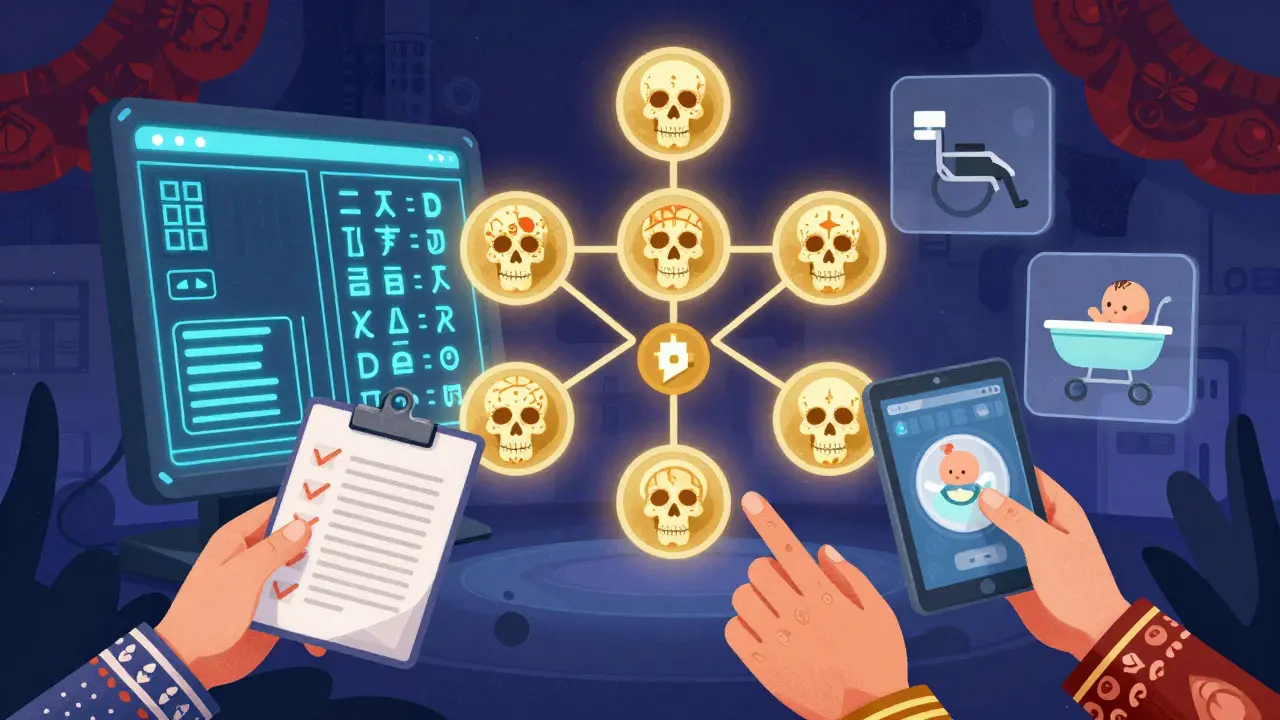
And AI is stepping in. Automated tools now correctly classify seriousness in 89.7% of cases-better than human reviewers at 76.3%. But they’re not replacing people. They’re helping. AI flags potential SAEs. Humans review them. The FDA is testing natural language processing tools that could cut report processing time by nearly half by 2025.
By 2025, the ICH’s E2B(R4) standard will go live, making electronic reporting of adverse events uniform across the globe. That means fewer translation errors, fewer delays, and fewer misclassifications.
Bottom Line: Report What Matters
You’re not there to report every sneeze or stomach ache. You’re there to protect lives. That means reporting the events that could kill or permanently harm someone-and nothing more.
When in doubt, ask: Did this event change the patient’s life in a way that meets the six criteria? If yes, report it immediately. If no, document it accurately and move on.
Over-reporting doesn’t make you thorough. It makes you part of the problem. Under-reporting serious events? That’s negligence.
Get this right, and you’re not just following rules. You’re making clinical trials safer-for patients, for researchers, and for everyone who depends on the drugs being tested.
Is a severe headache a serious adverse event?
Not necessarily. A severe headache, no matter how intense, is only serious if it leads to death, hospitalization, permanent disability, or another outcome listed in the FDA’s criteria. Most headaches-even very painful ones-don’t meet those standards. What matters is the outcome, not the pain level.
Do I need to report every adverse event to the IRB?
No. Only serious adverse events (SAEs) must be reported to the IRB within 7 days. Non-serious events are usually documented in Case Report Forms and summarized in periodic reports. Some protocols don’t require IRB reporting for non-serious events at all. Always check your study’s Data and Safety Monitoring Plan.
What’s the difference between severity and seriousness?
Severity describes how intense a symptom is-mild, moderate, or severe. Seriousness describes the outcome-did it cause death, hospitalization, disability, or other defined outcomes? A mild rash that leads to anaphylaxis is serious. A severe headache that resolves with ibuprofen is not. They’re two different measurements.
Can an event be serious even if it’s not related to the drug?
Yes. Seriousness is based on patient outcome, not causality. If a patient is hospitalized after falling and breaking a hip during a trial-even if the drug had nothing to do with it-that’s still a serious adverse event and must be reported. The key question is: Did the event meet one of the six outcome criteria? Not: Is it caused by the drug?
What happens if I report a non-serious event as serious?
It wastes time and resources. Regulatory agencies and sponsors get flooded with reports that don’t need action, making it harder to spot real safety signals. Studies show nearly 37% of reported SAEs are misclassified. Repeated mistakes can trigger audits, training requirements, or even suspension of your site’s trial privileges. Always double-check against the six criteria before reporting.
Are there tools to help classify adverse events correctly?
Yes. Most sponsors now use software that combines the Common Terminology Criteria for Adverse Events (CTCAE) for severity with FDA/ICH seriousness criteria. AI tools can now classify events with 89.7% accuracy. But human review is still required for final determination. Always use checklists and training materials provided by your sponsor or IRB.