Millions of people reach for an OTC sleep aid when they can’t fall asleep. A pill from the medicine cabinet, a melatonin gummy, or a capsule labeled "sleep support"-it feels like a quick fix. But here’s the truth: these products don’t cure insomnia. They mask it. And for many, the cost of that temporary relief is worse than the sleeplessness itself.
What’s Actually in OTC Sleep Aids?
Most OTC sleep aids fall into two buckets: antihistamines and supplements. The first group includes drugs like diphenhydramine (Benadryl, Sominex, Nytol) and doxylamine (Unisom SleepTabs). These aren’t sleep drugs-they’re allergy meds. Their drowsiness is a side effect. The second group is supplements: melatonin, valerian root, chamomile. These aren’t regulated like drugs. That means what’s on the label isn’t always what’s inside.
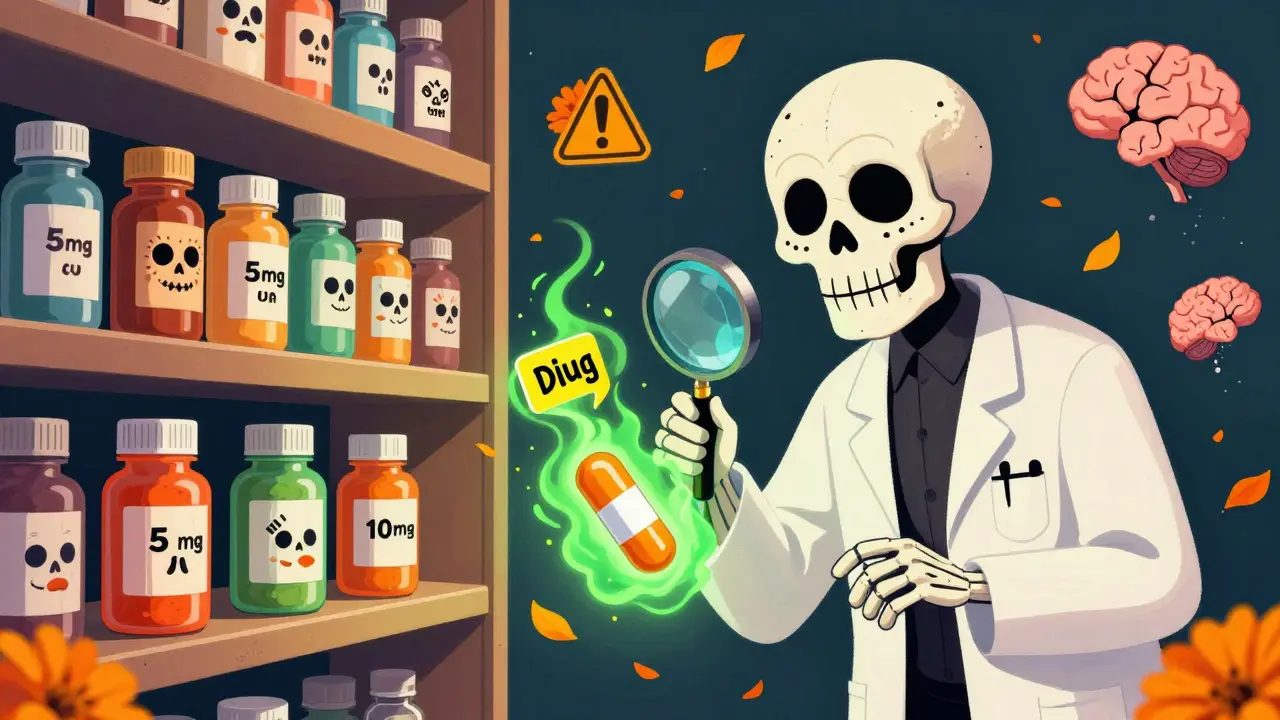
A 2017 study in the Journal of Clinical Sleep Medicine tested 31 melatonin products. The actual melatonin content ranged from 83% below to 478% above what was printed. One pill labeled 3mg had 12mg. Another had less than 0.5mg. No wonder people feel confused or dizzy-they’re not taking what they think they are.
How Effective Are They Really?
Don’t believe the hype. Clinical trials show OTC sleep aids reduce the time it takes to fall asleep by only 3 to 13 minutes. They add 20 to 60 minutes of total sleep. That’s less than an episode of your favorite show. For someone struggling with chronic insomnia, that’s barely a bump in the night.
The American Academy of Sleep Medicine says there’s no strong evidence these products work for long-term sleep problems. In fact, they explicitly advise against using antihistamines or herbal supplements for chronic insomnia. Why? Because the benefits are tiny, and the risks are real.
The Hidden Dangers of Antihistamines
Diphenhydramine and doxylamine are anticholinergic drugs. That means they block a key brain chemical called acetylcholine. In the short term, that makes you sleepy. In the long term, it can damage your brain.
A 2015 study in JAMA Internal Medicine tracked over 3,400 adults for more than seven years. Those who took anticholinergic drugs regularly-including OTC sleep aids-had a 54% higher risk of developing dementia. The risk went up the longer they used them.
Other side effects are common and often ignored:
- Dry mouth (32% of users)
- Blurred vision (18%)
- Constipation (24%)
- Urinary retention (especially risky for men with prostate issues)
- Confusion and memory problems (especially in people over 65)
The Beers Criteria, updated in 2023, lists diphenhydramine as a "potentially inappropriate medication" for older adults. Why? Because it increases the risk of falls by 50%. One fall can mean a broken hip, surgery, long-term care-and sometimes death.
Melatonin: More Than Just a Natural Sleep Pill
Melatonin gets sold as "natural" and "safe." But it’s not harmless. The most common side effects? Daytime drowsiness (45% of users), headaches (31%), and strange dreams or nightmares (68%). Higher doses-like 5mg or 10mg-make things worse.
At doses above 5mg, users report:
- Confusion (22%)
- Nausea (19%)
- Vomiting (9%)
- Nighttime waking (37%)
- Dizziness (28%)
- Bedwetting in children (8%)
The NHS warns that melatonin can cause "pains in your arms or legs." If it doesn’t go away after a few days, stop taking it. The European Food Safety Authority says doses above 1mg offer no extra benefit for most adults. Yet most bottles sell 3mg, 5mg, or 10mg. You’re not helping your sleep-you’re overloading your system.
Rebound Insomnia: The Trap You Didn’t See Coming
One of the most dangerous myths is that OTC sleep aids are harmless because they’re "over the counter." But your body adapts. After using them for more than two weeks, many people develop rebound insomnia. That means when you stop, your sleep gets worse than before.
Studies show about 30% of people who use OTC sleep aids daily for more than two weeks experience this. It’s not rare. It’s expected. And it keeps people trapped in a cycle: take the pill → sleep okay → stop → can’t sleep at all → take more.
Reddit users describe it plainly: "After using melatonin for 6 months, I couldn’t sleep without it. I had terrible rebound insomnia." That’s not an outlier. It’s a pattern.
Who Should Avoid OTC Sleep Aids Completely?
Not everyone can use these safely. Some groups face serious risks:
- People with sleep apnea: OTC sleep aids relax throat muscles, which can make breathing interruptions worse. This increases the risk of heart attack, stroke, and sudden death.
- Adults over 65: The brain is more sensitive to anticholinergic drugs. Even one dose can cause confusion, dizziness, or a fall.
- Pregnant or breastfeeding women: Melatonin has no proven safety data in pregnancy. Diphenhydramine is classified as Category B-no clear harm, but not enough studies to say it’s safe.
- People with glaucoma, enlarged prostate, or liver disease: Antihistamines can make these conditions worse.
If you’re in one of these groups, don’t guess. Talk to a doctor.

What’s the Safe Use Limit?
The FDA says: don’t use antihistamine sleep aids for more than two weeks. The Cleveland Clinic says the same. The Sleep Foundation recommends no more than 7 to 10 days.
But here’s the problem: 38% of users go past two weeks. Nearly 1 in 5 uses them for more than a month. That’s not occasional use. That’s daily reliance. And it’s dangerous.
For melatonin, start low. Try 0.5mg. If that doesn’t help, go to 1mg. Never start at 5mg or 10mg. Use it only when needed-not every night. Daily use for more than 10 days can lead to tolerance. That means you need more to get the same effect.
What Should You Do Instead?
The best treatment for chronic insomnia isn’t a pill. It’s Cognitive Behavioral Therapy for Insomnia (CBT-I). It’s not glamorous. No pills. No quick fixes. But it works.
Studies show CBT-I helps 70-80% of people. That’s better than any medication. And the results last. Unlike sleep aids, CBT-I doesn’t wear off. It rewires how your brain thinks about sleep.
Simple habits also help:
- Keep a consistent sleep schedule-even on weekends
- Get bright light in the morning and avoid screens an hour before bed
- Don’t lie in bed awake for more than 20 minutes. Get up, read a book in dim light, then try again
- Limit caffeine after 2 p.m.
- Keep your bedroom cool, dark, and quiet
These aren’t "tips." They’re evidence-based tools. And they don’t come with a risk of dementia, falls, or rebound insomnia.
The Bottom Line
OTC sleep aids might help you nod off once or twice. But they’re not a solution. They’re a Band-Aid on a broken bone.
If you’ve been using them for more than a week or two, it’s time to ask: Is this helping-or hurting? The risks-dementia, falls, rebound insomnia-are real. The benefits? Barely noticeable.
Don’t wait until it’s too late. Talk to your doctor. Ask about CBT-I. Try the behavioral changes. Your brain will thank you.