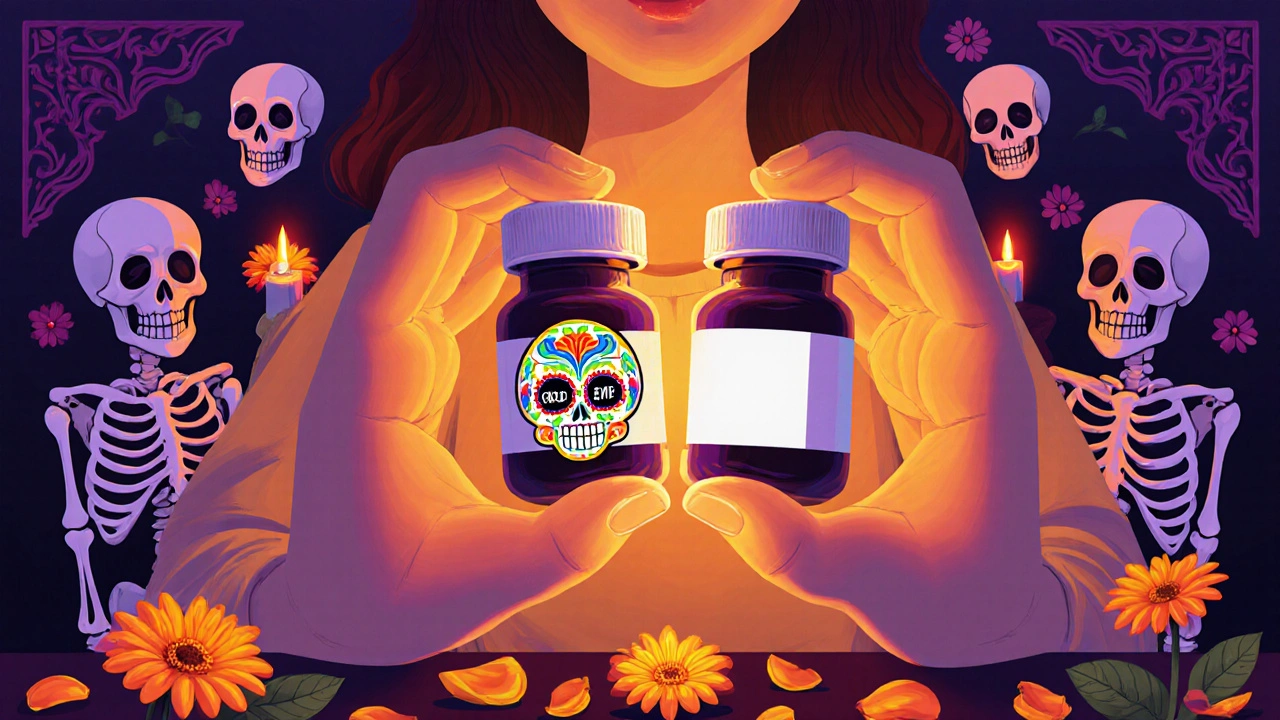
When your doctor says it’s time to switch from your brand-name medication to a generic, you might feel uneasy. You’ve been on the same pill for years. You know how it works. You know how your body reacts to it. And now, suddenly, the pill looks different. The bottle says something new. What if it doesn’t work the same? What if you feel worse? These fears aren’t irrational - they’re common. But there’s a type of generic that’s not just cheaper - it’s identical to the brand-name drug you’ve been taking. That’s an authorized generic.
What Exactly Is an Authorized Generic?
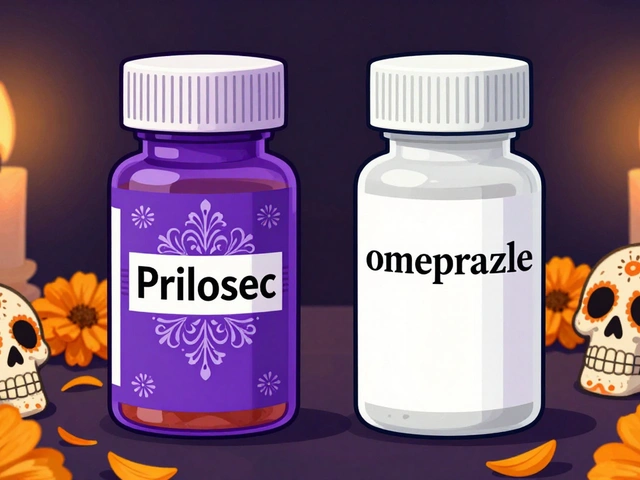
An authorized generic is the exact same medication as the brand-name drug - same active ingredient, same inactive ingredients, same manufacturing facility, same quality control. The only difference? It doesn’t have the brand name on the label. It’s made by the same company that makes the brand-name version, or by a company licensed by them. It’s approved under the original brand’s New Drug Application (NDA), not through the usual generic approval process. This matters because regular generics only need to prove they’re bioequivalent - meaning they deliver the same amount of drug into your bloodstream over time. But they can use different fillers, dyes, or preservatives. For most people, that’s fine. But for some, those tiny differences cause real problems. Lactose intolerance. Allergies to dyes. Sensitivity to preservatives. These aren’t rare. GoodRx found that 12.7% of patients switching to regular generics report side effects tied to inactive ingredients. With authorized generics? That number drops to 2.3%.Why Authorized Generics Reduce Switchbacks
One of the biggest problems with switching to regular generics? Patients go back to the brand. Not because the generic didn’t work - but because they felt different. Maybe their stomach upset. Maybe they had headaches. Maybe they just didn’t feel like the same person. These aren’t placebo effects. They’re real reactions to different ingredients. A 2021 study in the Journal of Clinical Pharmacy and Therapeutics showed that 18.4% of patients switched to regular generics ended up going back to the brand. Only 7.2% did the same when switched to an authorized generic. That’s a 60% drop in switchbacks. For people on blood thinners, seizure meds, or thyroid drugs - drugs with a narrow therapeutic index - this isn’t just about comfort. It’s about safety. The FDA defines these as drugs where even small changes in blood levels can cause serious harm. Authorized generics cut therapeutic failures by 28% compared to regular generics in this group. Patients notice it too. On the Asthma and Allergy Foundation’s community board, 73% of users reported high satisfaction with authorized generics. One person wrote: "Switched to the authorized generic of my blood thinner and haven’t had the bruising issues I experienced with the regular generic." That’s not luck. That’s identical formulation.When Authorized Generics Aren’t Available
Here’s the catch: only about 37.5% of brand-name drugs with generic versions also have an authorized generic option. That’s not because manufacturers don’t want to make them - it’s because they’re not required to. The brand company can choose to launch its own generic version to compete with other generics, or it can wait. Some companies delay authorized generics to protect brand sales. Others never offer them at all. That means you can’t assume an authorized generic exists just because a generic is available. You have to ask. Check the FDA’s Orange Book or use the new Authorized Generic Finder tool in the Drugs@FDA database. If your drug isn’t listed, you’re stuck with a regular generic - or paying full price for the brand.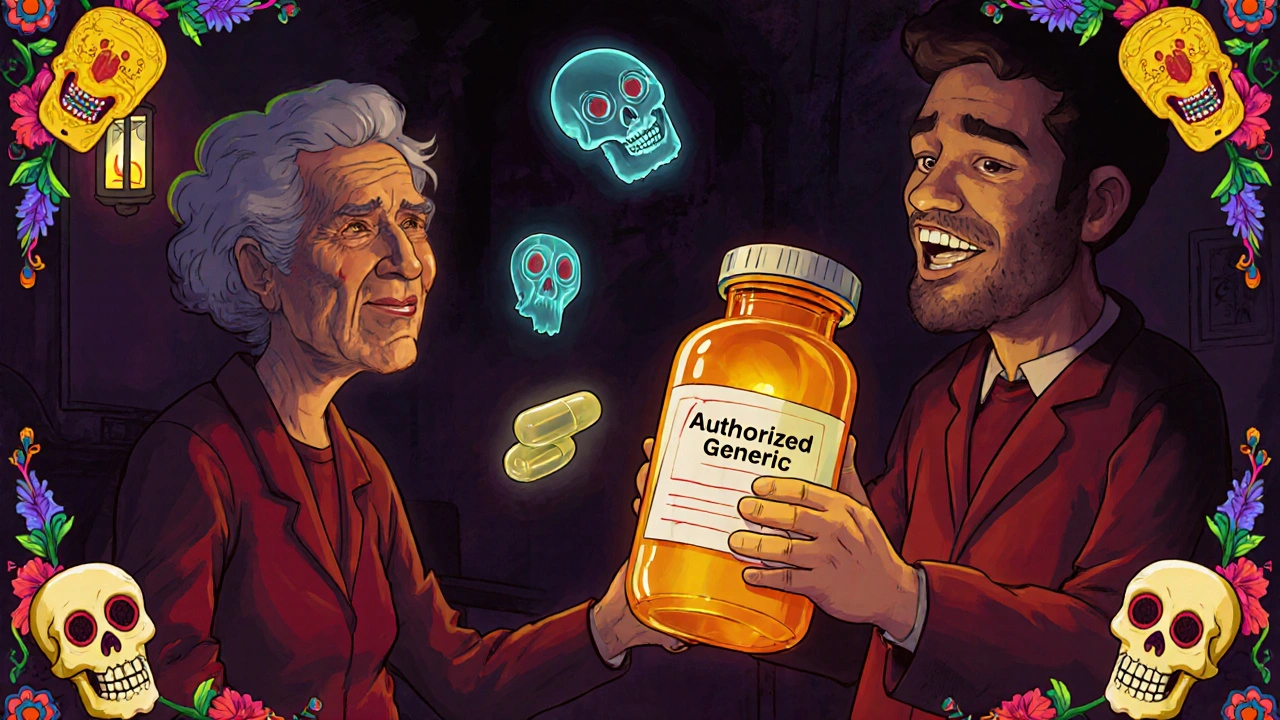
Insurance Can Make It Worse - Not Better
You’d think switching to a cheaper version would save you money. But insurance plans don’t always play fair. In 28% of commercial insurance plans, authorized generics are placed on Tier 3 (specialty tier), while regular generics are on Tier 2. That means you pay more for the identical drug. One Reddit user shared: "My insurance covered the brand but not the authorized generic version, costing me $45 more monthly despite identical medication." That’s not a mistake. It’s a policy. Some insurers treat authorized generics like the brand - because they’re made by the same company. Others don’t even track them separately in their systems. Before you switch, call your insurance. Ask: "Is the authorized generic covered at the same cost as the regular generic?" If not, ask your doctor to write a prior authorization letter explaining why the authorized version is medically preferred. Medicare Part D changed its rules in 2022 to require equal or lower cost-sharing for authorized generics - a big win for seniors. But private plans? Still a mess.How to Manage the Transition - Step by Step
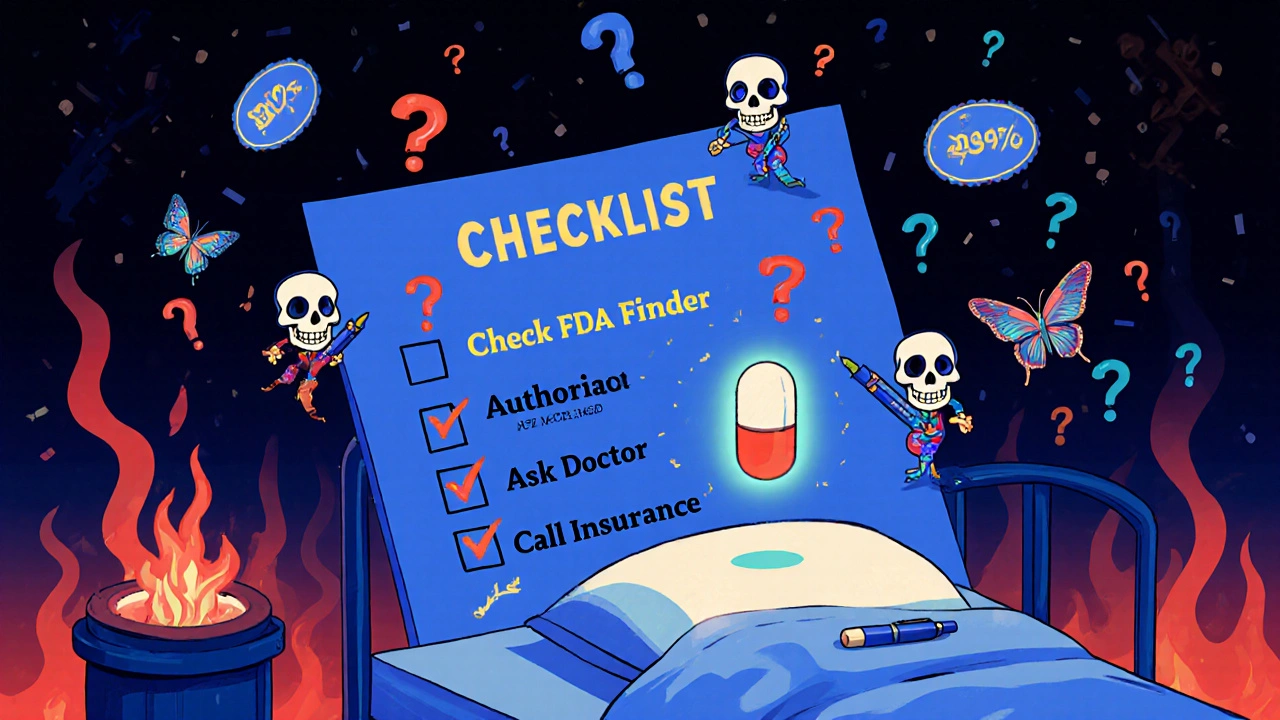
Switching to an authorized generic doesn’t have to be confusing. Here’s how to do it right:- Check availability. Use the FDA’s Authorized Generic Finder or ask your pharmacist. Not every drug has one.
- Verify insurance coverage. Call your plan. Ask about copay differences between authorized and regular generics.
- Talk to your doctor. Don’t assume they know which version you’re getting. Ask them to specify "authorized generic" on the prescription if available.
- Get educated. Your pharmacist should explain that it’s the same drug - same company, same ingredients. Show them the pill if you’re unsure. Many authorized generics have the same markings as the brand.
- Monitor for 30 days. Especially if you’re on a narrow therapeutic index drug. Watch for changes in how you feel. Report anything unusual.
What You Need to Know About the Future
The FDA is pushing for clearer labeling by 2025. Right now, authorized generics and regular generics look the same on your prescription list. That causes confusion during hospital transfers or when you see a new doctor. By 2025, manufacturers will be required to label them differently - a small change, but a big help. Meanwhile, more health systems are tying payments to outcomes. Accountable care organizations now track authorized generic use as a quality metric. Why? Because fewer switchbacks mean fewer ER visits, fewer lab tests, fewer complications. That’s good for patients. Good for providers. Good for the system. The market is growing too. Authorized generics made $18.7 billion in 2022. That’s 11.3% of the entire generic drug market. And that number is expected to grow 8.2% a year through 2027.Bottom Line: Ask for It
You don’t have to settle for a generic that feels different. If your medication has an authorized generic version, it’s the safest, most predictable switch you can make. It’s not magic. It’s chemistry. Same molecules. Same factory. Same results. Don’t wait for your pharmacist to bring it up. Don’t assume your insurance will cover it. Ask your doctor: "Is there an authorized generic for this?" Then ask your pharmacy: "Do you carry it?" And ask your insurer: "Will I pay less for it?" You’re not asking for a luxury. You’re asking for consistency. For safety. For peace of mind. And you deserve all three.What’s the difference between an authorized generic and a regular generic?
An authorized generic is made by the same company that makes the brand-name drug, using the exact same ingredients and manufacturing process. A regular generic only needs to prove it delivers the same amount of active ingredient into your bloodstream - but it can use different fillers, dyes, or preservatives. That’s why authorized generics have fewer side effects related to inactive ingredients.
Are authorized generics always cheaper than the brand?
Usually, yes - but not always. While authorized generics typically cost 4-8% less at retail and 7-14% less at wholesale, your insurance might not reflect that. Some plans place authorized generics on a higher cost tier than regular generics, making them more expensive for you. Always check your copay before switching.
Can I ask my doctor to prescribe an authorized generic specifically?
Yes. You can ask your doctor to write "dispense as written" or specify "authorized generic" on the prescription. Some pharmacies will automatically substitute a regular generic unless instructed otherwise. Don’t assume they’ll choose the authorized version - ask for it.
Why aren’t authorized generics available for all brand-name drugs?
Manufacturers aren’t required to make them. Some choose not to, because they want to protect brand sales. Others may not have the capacity or see enough financial incentive. As of 2023, only about 37.5% of brand-name drugs with generic versions also have an authorized generic option.
Is it safe to switch to an authorized generic if I’m on a narrow therapeutic index drug?
Yes - and it’s often the safest option. Authorized generics are identical to the brand, so they eliminate the risk of formulation changes that can affect blood levels. For drugs like warfarin, levothyroxine, or seizure medications, this consistency reduces therapeutic failure by 28% compared to regular generics.
How do I find out if my medication has an authorized generic?
Use the FDA’s free Authorized Generic Finder tool in the Drugs@FDA database. You can also ask your pharmacist or check the manufacturer’s website. Many authorized generics are listed under the brand name with a note like "Authorized Generic by [Brand Name]."