
When you hear authorized generic, a brand-name drug sold under a generic label by the same company that makes the original. Also known as brand-name generic, it's not a copy—it's the exact same pill, same factory, same ingredients, just without the fancy packaging or marketing. Most people don’t realize that the drug in your bottle might be identical to the one with the big name on the box. The only difference? The price—often 30% to 50% lower.
How does this happen? When a brand-name drug’s patent expires, the original manufacturer can launch their own generic version. They don’t need to repeat expensive clinical trials because the drug’s safety and effectiveness are already proven. That means they skip the ads, the celebrity endorsements, and the fancy website. All that saved money goes straight to your pharmacy bill. This isn’t some loophole—it’s a legal, FDA-approved way to cut costs. And it’s not just about saving a few bucks on one prescription. If you take meds for high blood pressure, diabetes, or cholesterol, switching to an authorized generic, a version of a brand-name drug produced by the same company under a different label can save you hundreds a year. Compare that to regular generics, which are made by other companies and sometimes have different inactive ingredients. Authorized generics match the brand down to the filler, so if you’ve ever had a reaction to a generic, this might be your answer.
It’s not just about the drug itself. The real savings come from drug pricing, how the cost of medications is set by manufacturers, insurers, and pharmacies. Brand-name drugs stay expensive because there’s no competition. But once an authorized generic hits the market, even the original brand has to drop its price to stay competitive. That’s why you’ll sometimes see the brand-name version suddenly cheaper after a generic version appears—it’s not a sale, it’s a market shift. And if you’re on a long-term medication, that difference adds up fast. A $150 monthly pill can become a $50 pill overnight. That’s not magic. That’s competition.
Here’s the catch: not every brand has an authorized generic. And pharmacies don’t always stock them. But they’re easier to find than you think. Ask your pharmacist. Check your insurance formulary. Look for the manufacturer’s name on the label—if it matches the brand-name maker, you’ve got an authorized generic. No need to guess. No need to risk. Just save.
Below, you’ll find real stories and breakdowns of how people cut their drug bills using authorized generics, what to watch for when switching, and why some pharmacies still don’t offer them—even when they’re available. You’ll also see how second and third generic manufacturers drive prices even lower, and why your next prescription doesn’t have to cost a fortune.
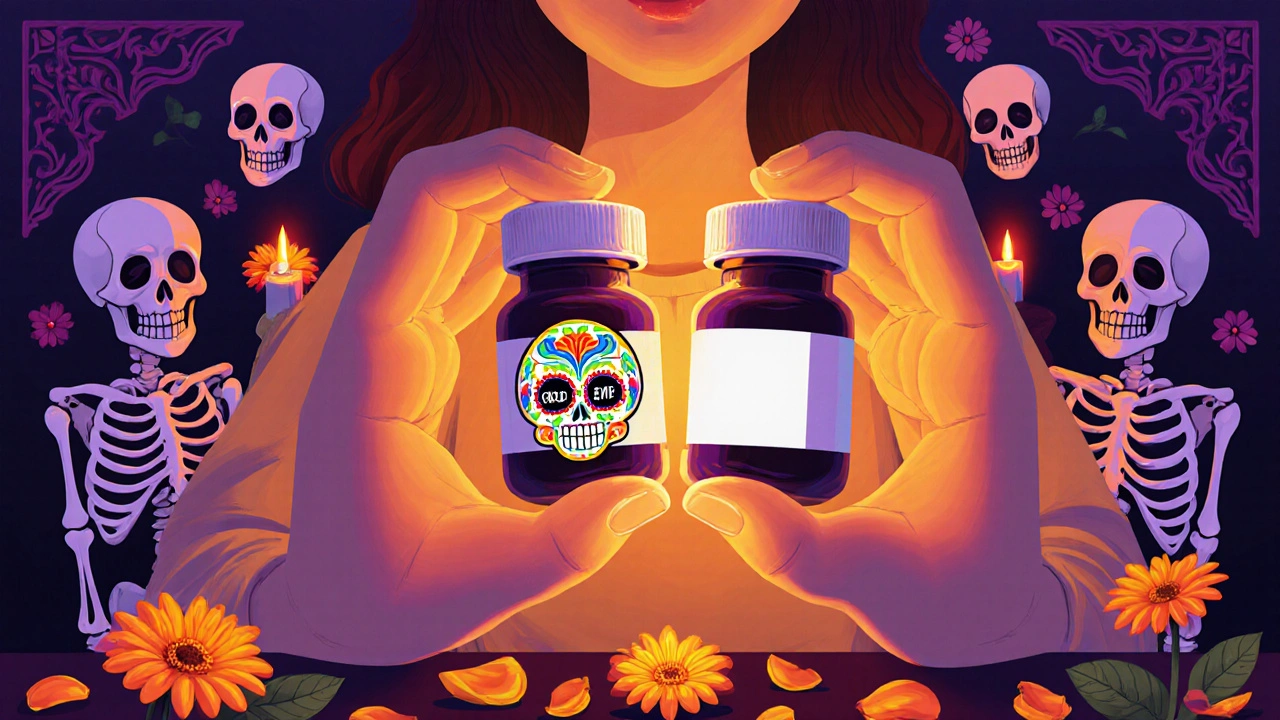
Learn how switching to an authorized generic can improve medication safety and reduce side effects compared to regular generics - and how to make sure you get the right version at the right price.
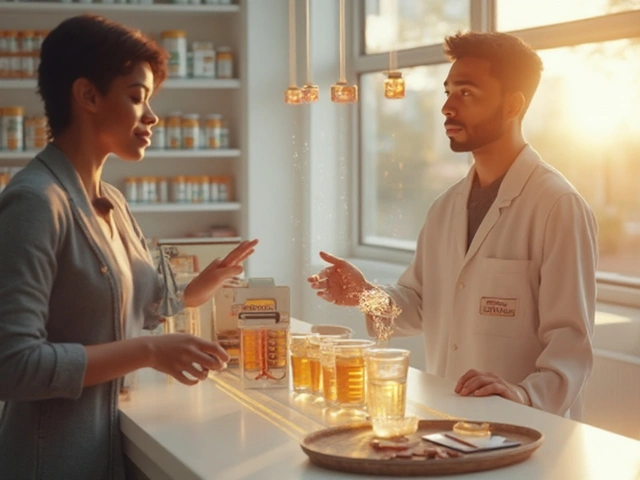
A detailed look at Flunil (Fluoxetine) compared with other antidepressants. Learn mechanisms, dosing, side‑effects, cost and how to pick the right option for you.

Explore how antioxidant supplements can reduce oxidative stress, ease pain, and support standard therapy for chronic pancreatitis, with dosing tips and safety advice.
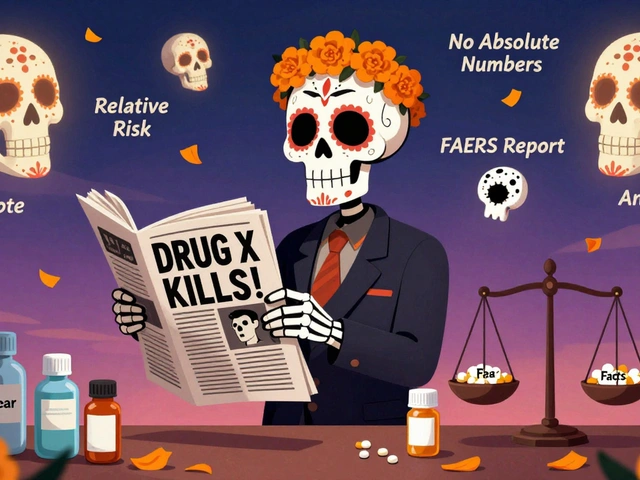
Learn how to spot misleading media reports about drug safety by checking study methods, understanding risk numbers, and verifying sources. Don't let sensational headlines scare you into stopping your medication.
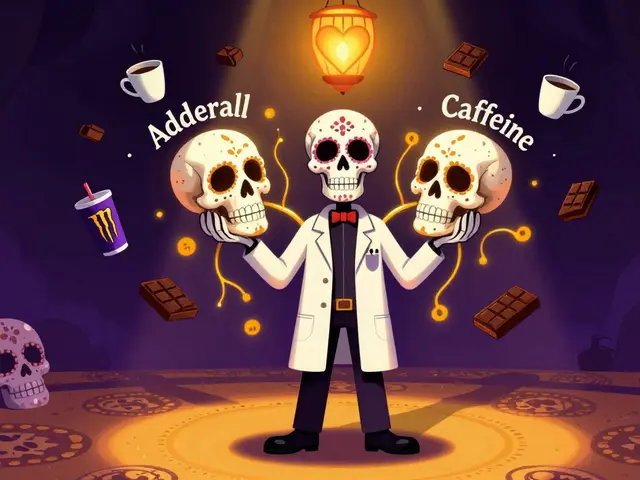
Caffeine and ADHD medications like Adderall can seem like a helpful combo, but they carry serious risks including anxiety, heart strain, and crashes. Learn how to safely manage this interaction-or avoid it altogether.
Generic medications save money but may contain different inactive ingredients that can trigger reactions in sensitive individuals. Learn what's really in your pills and how to protect yourself.