When you’re taking multiple medications-especially generics-your risk of dangerous interactions goes up fast. It’s not just about mixing pills. It’s about how your body reacts when two or more drugs meet inside you. A common blood pressure pill might make your diabetes medication less effective. A cheap generic painkiller could raise your risk of a stomach bleed when taken with an antidepressant. And most people don’t even know they’re at risk.
Why Generic Drugs Make Interactions Harder to Track
Generic drugs are identical in active ingredient to their brand-name versions. But here’s the catch: the same generic drug can come from different manufacturers, and not all digital tools track them the same way. Some systems only recognize brand names. Others miss obscure generics entirely. That’s why a pharmacist in Calgary might see a dangerous interaction between two generics your doctor prescribed, but your phone app says everything’s fine.The problem gets worse with age. The average person over 65 takes nearly five prescription drugs. Add over-the-counter meds, supplements, and herbal remedies-and you’ve got a chemical cocktail. Studies show that nearly one in three older adults experience a preventable adverse drug event. Many of these happen because digital tools failed to catch the interaction.
The Best Digital Tools for Checking Generic Drug Interactions
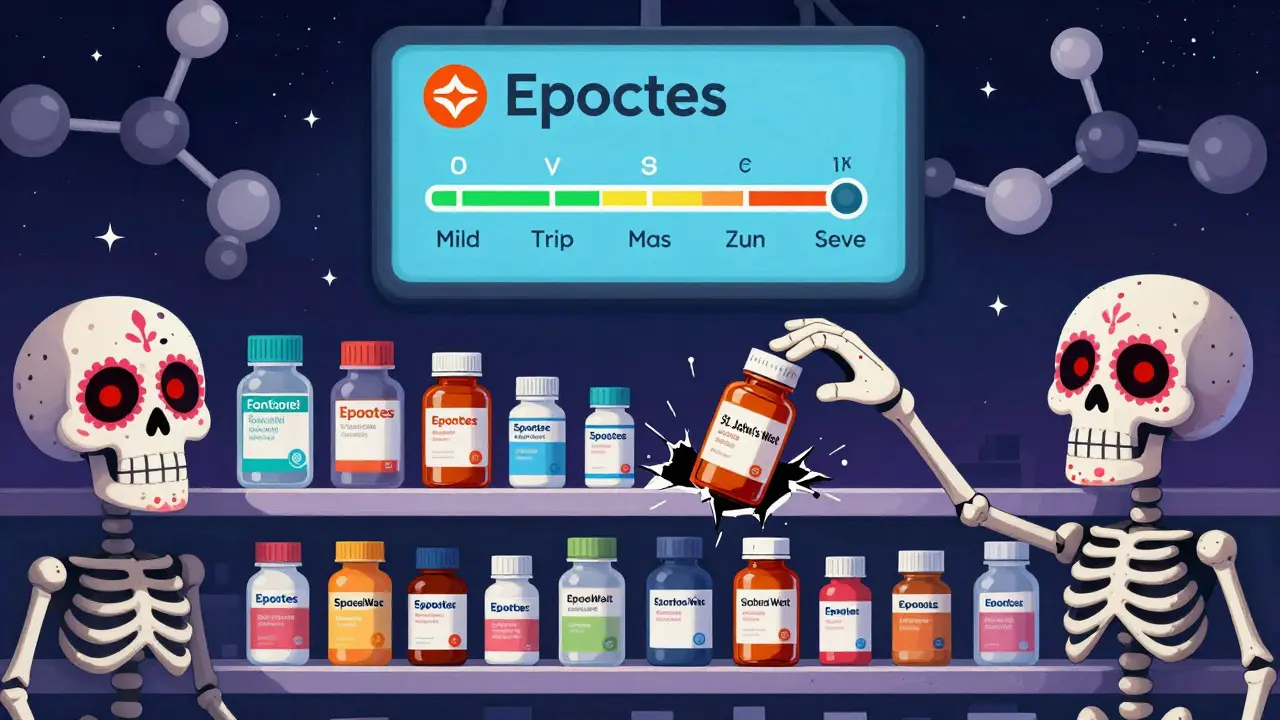
Not all apps are created equal. Here’s what actually works in real-world use:- Epocrates lets you check up to 30 drugs at once-brands, generics, even herbal supplements. It’s the most popular app among family doctors and pharmacists in North America. Its free version is powerful enough for most people. Users praise its speed and the way it flags interactions by severity: mild, moderate, severe.
- Micromedex is the gold standard in hospitals. It doesn’t just tell you if drugs interact-it explains how. Does one drug block the liver enzyme that breaks down the other? Does it raise potassium levels dangerously? It also checks IV compatibility, which matters if you’re getting meds in the ER or ICU. But it’s expensive and meant for clinics, not individuals.
- DrugBank has the most detailed science behind it. It shows you the exact molecular mechanisms of interactions. But its free version only gives you the basics. If you want full details, you need to pay. Many pharmacists use it for research, but it’s clunky for quick checks.
- UpToDate Lexidrug is the only major tool that includes overdose treatment guidelines. If someone accidentally takes too much of a drug, it tells you exactly what to do. Only one other app, Drugs.com, offers this. It’s rare, but lifesaving.
- DDInter is free, open-source, and built by researchers in China. It’s great for checking up to five drugs and shows you the science behind each interaction. But its interface feels outdated, and it doesn’t include many North American brand names or common OTC drugs.
Epocrates wins for most people because it’s fast, free, and covers the widest range of generics. Micromedex wins in hospitals because it’s deep, accurate, and integrates with electronic health records. But if you’re just trying to avoid a bad reaction, Epocrates is your best bet.
False Alarms and Missed Dangers
Here’s the ugly truth: digital tools aren’t perfect. They generate false positives-warnings for interactions that don’t actually matter. One study found clinicians ignore between 49% and 96% of alerts because they’re too noisy. You start tuning them out. And that’s dangerous.At the same time, some tools miss real dangers. A 2022 report found false negative rates between 8% and 32%, depending on the drug class. That means for every 10 dangerous interactions, one or three might slip through. This happens because:
- Some databases don’t include newer generics
- Herbal supplements like St. John’s Wort aren’t always tracked
- Food interactions (like grapefruit with statins) are often overlooked
- Genetic factors (like how fast your liver processes drugs) aren’t considered
That’s why you should never rely on an app alone. Use it as a second opinion-not your only defense.
What You Should Do Right Now
If you’re taking three or more medications-especially generics-do this today:- Download Epocrates (free on iOS and Android).
- Enter every drug you take: prescriptions, generics, vitamins, CBD, turmeric, melatonin, anything.
- Look at the severity level of each flagged interaction. Ignore mild ones unless you have kidney or liver disease.
- Take the list to your pharmacist. Ask: “Which of these interactions are real risks for me?”
- If you’re over 65 or have chronic conditions, ask your doctor for a medication review every six months.
Pharmacists are trained to spot what apps miss. They know which generic brands are more likely to cause issues. They know which ones are made in facilities with poor quality control. And they can often suggest safer alternatives that cost the same.
The Bigger Picture: Why This Matters for Online Pharmacies
More people are buying meds online. It’s convenient. But many online pharmacies don’t ask for your full medication list. They don’t check for interactions. They just ship the pills. That’s a recipe for disaster.Regulators in Canada and the U.S. now require online pharmacies to offer some form of digital interaction checking-but enforcement is weak. A 2023 study found that 63% of online pharmacies in North America didn’t even ask for a current medication list before filling a prescription for a blood thinner.
Choose only online pharmacies that:
- Require a valid prescription from your doctor
- Ask you to upload your full medication list
- Use a recognized drug interaction tool (Epocrates or Micromedex)
- Offer a phone consultation with a licensed pharmacist
If they don’t do these things, walk away. Your life isn’t worth saving a few dollars.
What’s Coming Next
The next generation of tools is using AI to predict interactions before they happen. Merative, the company behind Micromedex, bought a startup in 2023 to make its system smarter. DDInter’s new version, released in early 2024, uses machine learning to spot patterns in unpublished data. These tools will soon be able to say: “Based on your age, kidney function, and other meds, this combination could cause a 22% higher risk of bleeding.”But technology alone won’t fix this. The real solution is better communication between your doctor, pharmacist, and yourself. Digital tools are just the starting point.
Final Thought: You’re the Most Important Safety Tool
No app can replace your own awareness. If you feel dizzy after starting a new generic pill, stop taking it and call your pharmacist. If your sleep gets worse after adding a new supplement, question it. Keep a simple list: drug name, dose, why you take it, and when you started. Show it to every provider you see.Medication safety isn’t about the best app. It’s about being informed, asking questions, and never assuming everything’s fine just because a screen says so.
Can I trust free drug interaction checkers?
Yes, but with limits. Epocrates’ free version is reliable for most people and covers over 10,000 drugs, including generics and supplements. DDInter is free and scientifically solid but only checks five drugs at a time and misses many North American brands. Avoid tools that push you to upgrade constantly-those are often unreliable. Always cross-check with a pharmacist if you’re unsure.
Do generic drugs interact differently than brand-name ones?
No-active ingredients are identical. But inactive ingredients (fillers, dyes, coatings) can vary between manufacturers. These rarely cause interactions, but they can affect how fast the drug is absorbed. In rare cases, this changes how a drug interacts with others. That’s why some pharmacists prefer sticking with one generic brand for consistency.
What’s the biggest mistake people make with digital interaction tools?
Thinking the app knows everything. Most tools don’t check for food interactions, herbal supplements, or genetic differences. They also don’t know your full medical history-like if you have liver disease or are dehydrated. These factors change how drugs behave. Always talk to a human pharmacist before making changes.
Are online pharmacies required to check for drug interactions?
In Canada and the U.S., regulations encourage it-but don’t require it for every order. Many online pharmacies skip interaction checks entirely to save time. Only use pharmacies that ask for your full medication list and offer a pharmacist consultation. If they don’t, they’re cutting corners. Your safety isn’t worth the discount.
How often should I check my meds for interactions?
Every time you start, stop, or change a dose of any medication-even a vitamin or OTC pill. Also check after any hospital visit or new diagnosis. If you take five or more drugs, do a full review with your pharmacist every six months. Most dangerous interactions happen within the first two weeks of a new medication.