
Ever wondered if the pill you just bought is really safe? You’re not alone. Millions of people scramble for meds without checking the basics, and that can lead to nasty side effects or wasted money. This guide gives you straight‑forward steps so you can feel confident about every dose.
Every medication—whether it’s a prescription antibiotic or an over‑the‑counter antihistamine—carries risks. Taking the wrong strength, mixing drugs that don’t get along, or ordering from shady sites can turn a harmless treatment into a health hazard. A quick mix‑up with blood pressure meds, for example, can spike your heart rate and land you in the ER. That’s why checking each detail before you swallow matters.
1. Verify the source. If you’re buying online, look for a licensed pharmacy that requires a prescription. Check for a physical address, a pharmacist‑visible contact number, and clear privacy policies. Quick “no‑prescription needed” offers usually hide counterfeit pills.
2. Read the label. The active ingredient, dosage, and expiration date are non‑negotiable. Don’t rely on blurry photos or third‑party reviews—trust the packaging itself.
3. Keep a medication list. Write down every drug you take, including vitamins and supplements. Share this list with any new doctor or pharmacist; it helps spot dangerous interactions before they happen.
4. Follow dosing instructions exactly. Skipping doses or doubling up to “catch up” can wreck the treatment plan. Use a pill organizer or set alarms on your phone if you tend to forget.
5. Watch for side effects. Mild nausea might be normal, but severe rash, breathing trouble, or sudden dizziness need immediate medical attention. Keep the emergency number of your doctor handy.
6. Store meds properly. Heat, moisture, and light can break down chemicals. Most pills belong in a cool, dry place—away from the bathroom cabinet unless the label says otherwise.
7. Ask questions. If a pharmacist or doctor uses jargon you don’t understand, say so. Clarify why you need the drug, how long to take it, and what to do if you miss a dose.
Following these habits doesn’t require a medical degree—just a bit of attention. When you combine vigilance with reliable sources, you protect yourself from counterfeit meds, dangerous interactions, and costly mistakes.
Need more specific advice? Browse our articles on buying Cipro safely, checking Modafinil legality, or spotting fake online pharmacies. Each post breaks down the process step‑by‑step so you can act confidently.
Remember, medication safety starts with a simple question: “Is this right for me?” If the answer isn’t clear, pause, verify, and then decide. Your health is worth that extra few seconds.
Learn the hidden risks of NSAID overdose, from silent GI bleeding to the dangers of mixing aspirin with pain relievers, and how to recognize early warning signs.
Learn to read medication labels safely. This guide explains FDA requirements, the difference between prescription and OTC labels, and how to avoid dangerous dosing errors.
Night shifts increase medication errors by over 12% due to fatigue. Learn which medications worsen drowsiness, why naps aren't enough, and what real system changes can prevent deadly mistakes.
Digital tools can help you avoid dangerous interactions between generic drugs, but not all apps are equal. Learn which ones actually work, what they miss, and how to stay safe when buying meds online.
Learn the essential questions to ask at the pharmacy to avoid dangerous medication errors. Know what’s on your prescription label and how to verify it for safety.
Debunking common medication safety myths with facts backed by CDC, FDA, and pharmacy data to help patients avoid dangerous errors and take their meds safely.

Learn how one medication can change how your body handles another - and what you can do to avoid dangerous reactions. Simple, practical steps to stay safe with your prescriptions.
Learn how to spot misleading media reports about drug safety by checking study methods, understanding risk numbers, and verifying sources. Don't let sensational headlines scare you into stopping your medication.
Learn how to use your pharmacy's consultation service to prevent dangerous drug interactions, save money, and improve medication adherence. A proven safety tool most patients don't know about.

This article explores how well pyridostigmine bromide works for people with myasthenia gravis over long periods. It covers how the medication helps with daily symptoms, its long-term side effects, and what patients can expect from ongoing use. You'll get practical advice on managing the medication, what to watch out for, and how to talk to your doctor about adjusting doses. The article also looks at what recent research says about the safety of using pyridostigmine for years. It's straightforward, direct, and focused on helping patients and caregivers make informed decisions.

Imagery Rehearsal Therapy (IRT) is the most effective non-drug treatment for PTSD-related nightmares. Learn how rewriting your nightmares before sleep can break the cycle of trauma, improve sleep, and reduce PTSD symptoms-backed by clinical research.
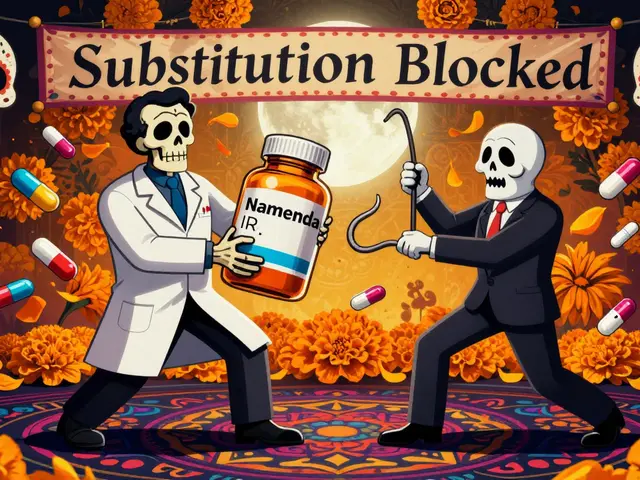
Big pharma uses legal tricks like product hopping and REMS abuse to block cheaper generics. These tactics cost patients billions and undermine state substitution laws designed to save money.

In my recent dive into medical research, I stumbled upon a controversial topic: the potential link between Amlodipine, a common high blood pressure medication, and cancer. Several studies have surfaced suggesting a possible association, but the evidence is inconsistent and not yet fully understood. It's essential to remember that correlation does not imply causation, so while this topic definitely warrants further research, there's no need for panic. If you're currently taking Amlodipine, don't stop or change your medication without first discussing it with your doctor. Stay tuned as I continue to monitor this ongoing discussion.

Cut through the confusion of online Tofranil shopping. Here’s what you really need to know to buy antidepressants online, stay safe, and avoid scams.

Actinic keratoses are precancerous skin patches caused by sun damage. Learn how field treatments like topical creams and photodynamic therapy can prevent them from turning into skin cancer.