Every year, millions of people in the U.S. end up in the emergency room because of something they thought was harmless: a little extra painkiller, skipping a dose because they felt better, or mixing a pill with a drink. These aren’t rare accidents. They’re the result of myths - old, widespread, and dangerously wrong ideas about how medications work. And the worst part? Many of these myths come from well-meaning friends, family, or even old habits you’ve never questioned.
Myth: Over-the-Counter Medications Are Completely Safe
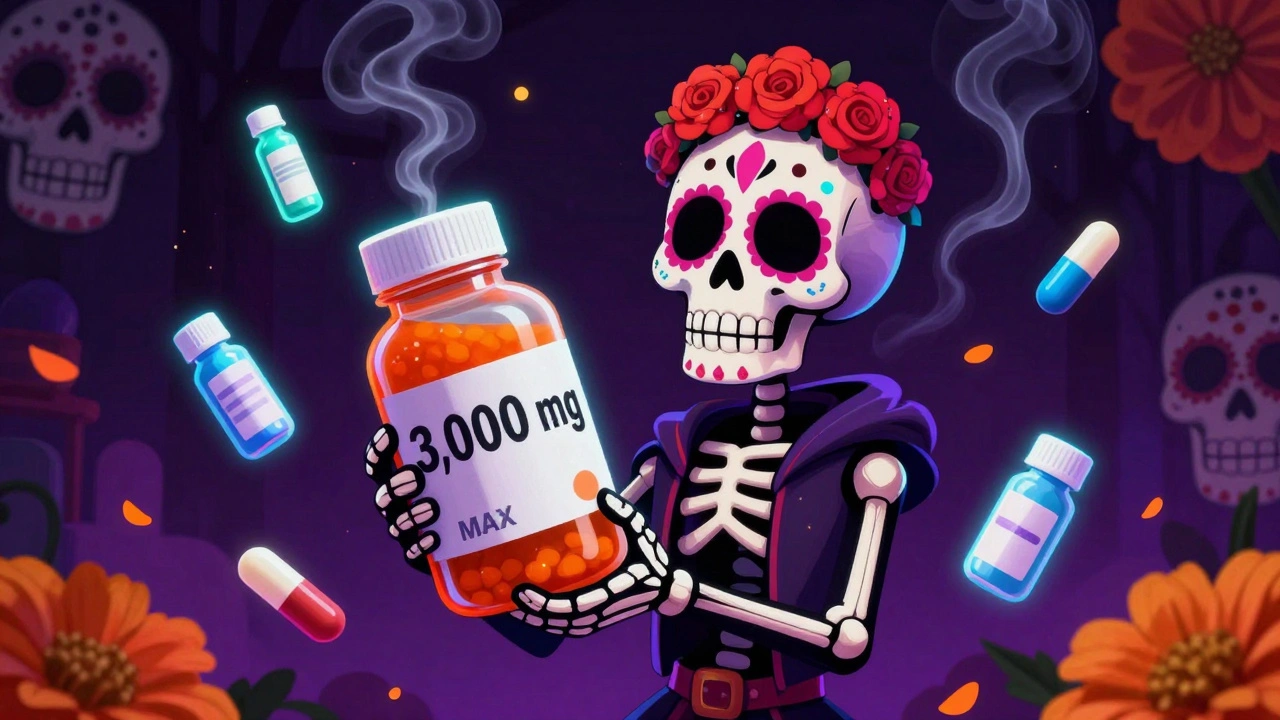
You walk into the pharmacy, grab a bottle of acetaminophen, and think, ‘It’s just a pain reliever. How bad could it be?’ But here’s the truth: acetaminophen - the active ingredient in Tylenol - is the leading cause of acute liver failure in the United States. The FDA set the daily limit at 3,000 mg in 2011 after realizing how often people accidentally overdose. That’s just eight extra-strength tablets. Many people don’t realize that acetaminophen is also in dozens of cold, flu, and sleep aids. Taking Tylenol for a headache, then a cold medicine later that day? You could be hitting 4,000 mg without even trying. The result? About 56,000 ER visits, 26,000 hospitalizations, and 500 deaths every year - all from something you can buy without a prescription.
Myth: If One Pill Works, Taking More Will Work Better
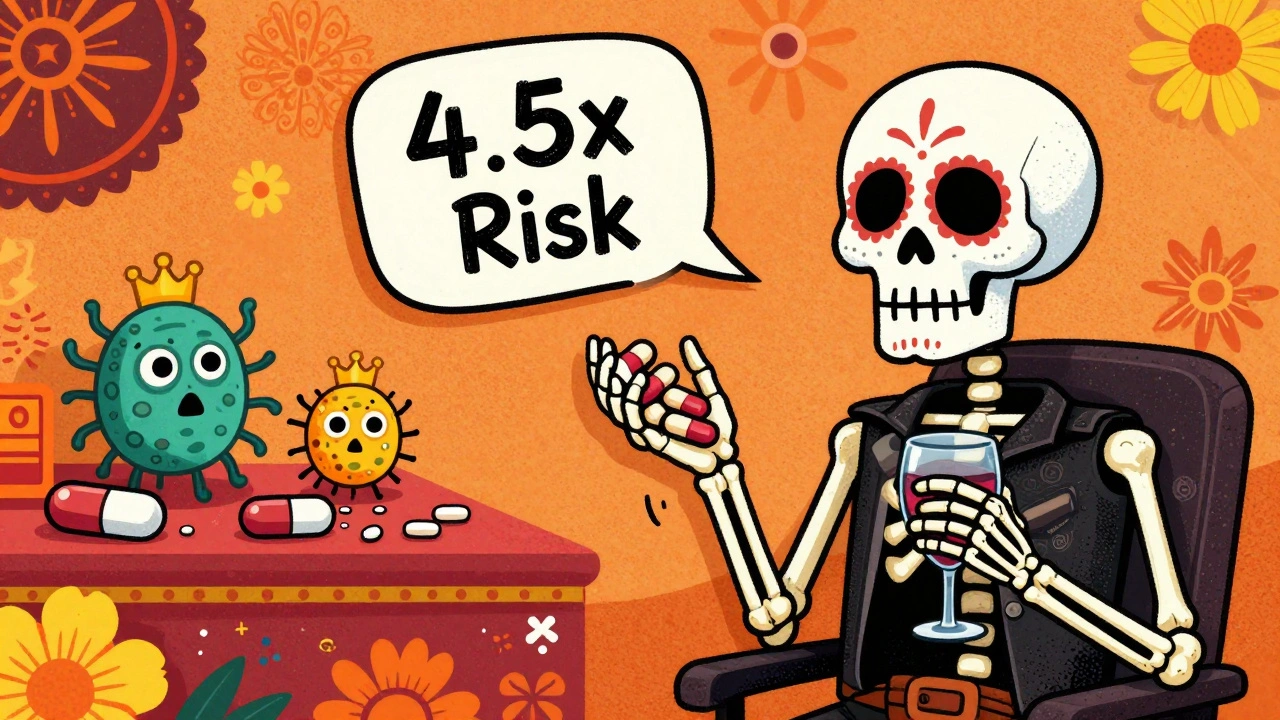
It’s tempting. Your back still hurts after one ibuprofen, so you take another. Or two. Maybe you think, ‘I’m not on anything else, so it’s fine.’ But ibuprofen isn’t like coffee - more doesn’t mean better. Taking more than 1,200 mg in 24 hours (that’s six 200 mg tablets) increases your risk of internal bleeding by 4.5 times, according to a 2017 study in JAMA Internal Medicine. And it doesn’t just hurt your stomach. Too much can damage your kidneys, raise your blood pressure, and even trigger heart problems. The recommended dose isn’t a suggestion. It’s the result of decades of clinical trials that found the highest dose you can safely take without serious harm.
Myth: You Can Stop Taking Medication Once You Feel Better
This myth kills. It’s especially dangerous with antibiotics. If you take your full course of antibiotics, you’re not just treating your infection - you’re killing off the weakest bacteria. The ones that survive? The strongest. Those are the ones that mutate and become resistant. The CDC says 30% of antibiotic courses are stopped early. That’s why we now have superbugs that don’t respond to any drug. In the U.S. alone, antibiotic-resistant infections cause 35,000 deaths each year. Even if you feel fine after three days, the infection might still be hiding. Finishing the script isn’t about being obedient - it’s about protecting yourself and everyone else.
Myth: Natural or Herbal Products Are Always Safe
If it’s ‘natural,’ it must be safe, right? Wrong. St. John’s Wort, a popular supplement for mild depression, can make birth control pills useless - reducing their effectiveness by 15% to 33%. That’s not a small risk. Ginkgo biloba, often taken for memory, can increase bleeding risk by 50% when mixed with warfarin, a blood thinner. And don’t forget kava - linked to severe liver damage. The FDA doesn’t regulate supplements the same way it does prescription drugs. That means no one checks the dose, purity, or interactions before you buy them. Just because it’s sold in a health food store doesn’t mean it won’t hurt you. Always tell your pharmacist or doctor what supplements you’re taking - even if you think they’re ‘harmless.’
Myth: Mixing Alcohol with Prescription Medications Is Safe If You Drink Responsibly
‘I only have one glass of wine.’ ‘I took my pill hours ago.’ ‘It’s just a little.’ None of that matters. Alcohol doesn’t just make you sleepy - it changes how your body processes drugs. When mixed with opioids like oxycodone or hydrocodone, alcohol increases the risk of respiratory depression - your breathing slows to dangerous levels - by up to 800%. That’s not a typo. That’s what a 2020 study in Addiction Biology found. Even with non-opioid meds, alcohol can spike liver damage when combined with acetaminophen, cause dizziness when mixed with blood pressure pills, or make sedatives like benzodiazepines dangerously strong. There’s no safe amount if your medication has a warning label. If it says ‘avoid alcohol,’ it’s not a suggestion. It’s a lifesaving rule.
Fact: Generic Medications Are Just as Effective as Brand Names
Many people avoid generics because they think they’re ‘weaker’ or ‘cheap versions.’ That’s not true. The FDA requires generic drugs to have the same active ingredient, strength, dosage form, and route of administration as the brand-name version. They must also be bioequivalent - meaning your body absorbs them at the same rate and to the same extent, within 80% to 125% of the brand. A 2023 review by the American Pharmacists Association confirmed there’s no clinical difference in effectiveness or safety between most generics and brand-name drugs. The only difference? Price. Generics cost 80% to 85% less. Saving money doesn’t mean saving less - it means getting the same result at a fraction of the cost.
Fact: Pharmacists Are Your Best Resource for Medication Safety
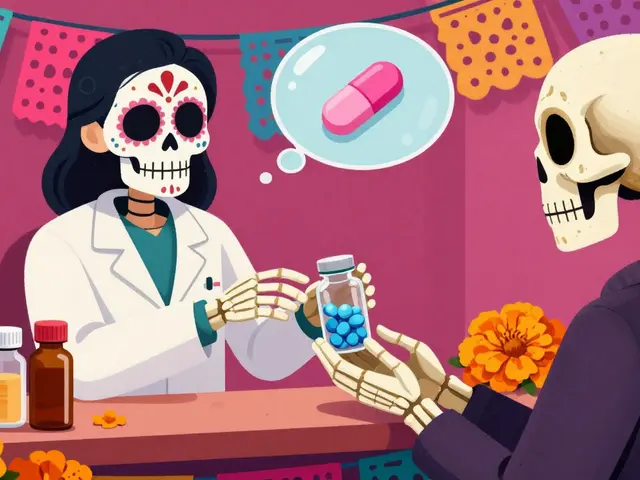
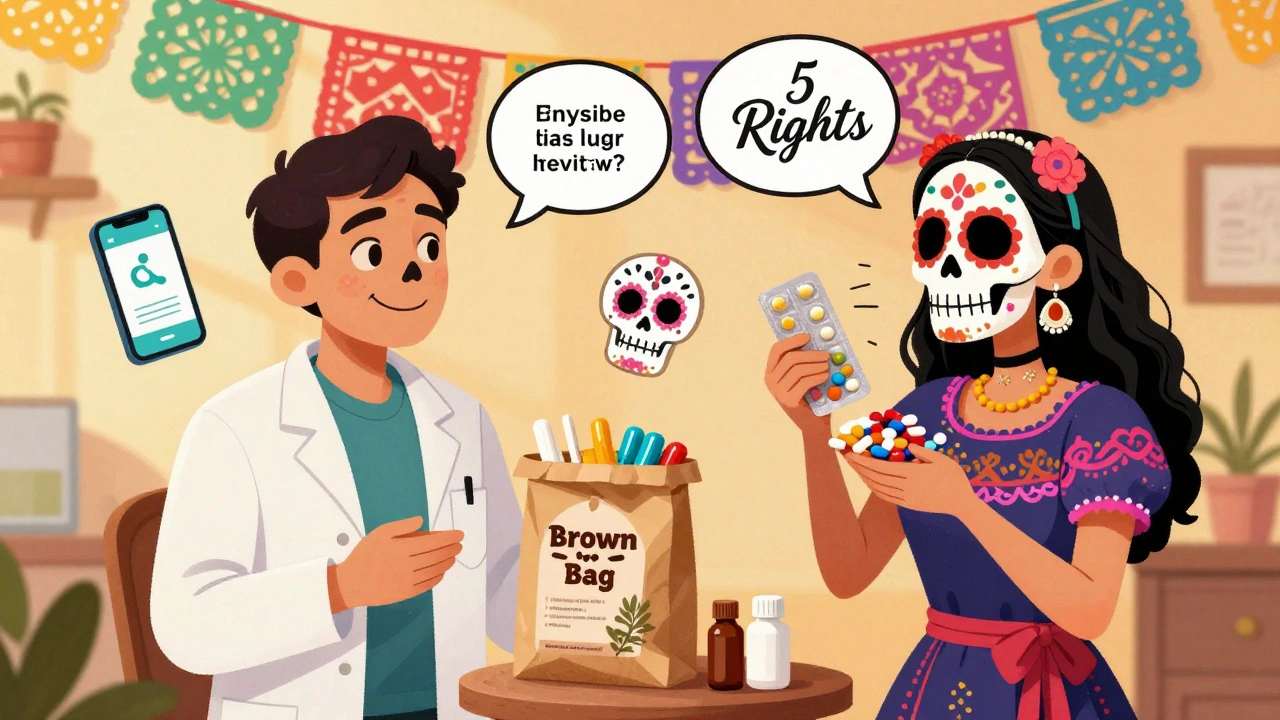
Most people think pharmacists just hand out pills. They’re wrong. Pharmacists are trained to catch dangerous interactions, spot duplicate prescriptions, and explain how to take meds safely. A 2022 study from ExactCare Pharmacy showed that patients who had a full medication review with a pharmacist improved their adherence from 50% to 78%. That means they took their meds correctly - and stayed out of the hospital. Ask your pharmacist to do a ‘brown bag review’ - bring all your pills, vitamins, and supplements to the pharmacy, and they’ll sort through them with you. This simple step reduces medication errors by 63%, according to the Journal of the American Pharmacists Association.
Fact: Using the ‘5 Rights’ and ‘3 Checks’ Saves Lives
The ‘5 Rights’ of medication safety have been around since 1956, but they’re still the gold standard: right patient, right drug, right dose, right route, right time. Add the ‘3 Checks’ - verify the medication against your MAR (medication administration record), then the label on the bottle, then the patient - and you cut administration errors by 41%. This isn’t just for hospitals. At home, you can use this system too. Before you take any pill, ask: Is this mine? Is this the right drug? Is this the right dose? Is this the right time? It takes five seconds. But it can prevent a trip to the ER.
Fact: The ‘Teach-Back Method’ Improves Understanding by 100%
Doctors and pharmacists explain your meds. You nod. You say ‘yes.’ But do you really understand? A 2020 study found that when patients were asked to explain their medication plan in their own words - not just repeat what they heard - their understanding jumped from 42% to 89%. This is called the ‘Teach-Back Method.’ After your pharmacist tells you how to take your new blood pressure pill, say: ‘Can you have me explain it back to you?’ If you can’t explain it clearly, they’ll help you until you can. It’s the most effective way to make sure you don’t make a mistake.
Fact: Technology Can Help You Stay on Track
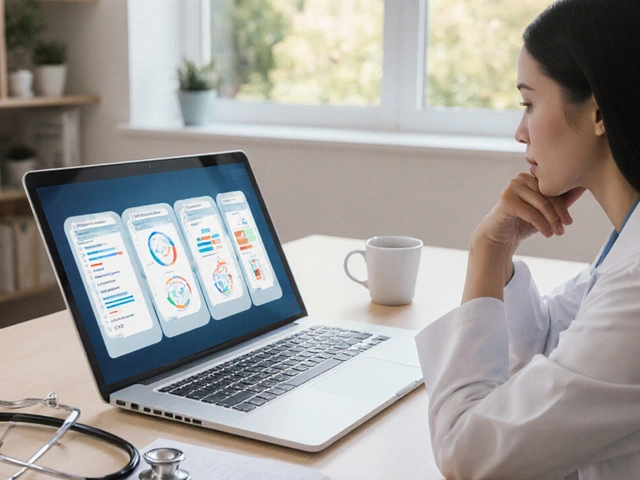
Apps like Medisafe send you reminders, track your doses, and warn you about interactions. A 2023 analysis found they reduced dosing errors by 37% among over 2 million users. Amazon Pharmacy’s ‘Ask a Pharmacist’ feature has answered more than 1.2 million questions about medication safety. And the FDA is now requiring clearer warning labels on OTC products - especially acetaminophen - to prevent overdoses. These aren’t gimmicks. They’re tools that work. If you forget to take pills, use an app. If you’re unsure about a combination, ask a pharmacist. Don’t guess.
Fact: Preventable Medication Errors Cost Billions - And Lives
Every year, preventable drug errors cost the U.S. healthcare system $42 billion. That’s more than the annual budget of many states. And behind every dollar is a person - someone who had a bad reaction, ended up in the hospital, or worse. The Institute for Safe Medication Practices found that 33.7% of all medication errors are from taking too much - exactly the kind of mistake myths cause. But when patients are educated, errors drop. Between 2015 and 2022, targeted myth-busting campaigns reduced preventable errors by 28%. That’s not just numbers. That’s lives saved.
What You Can Do Today
- Do a ‘brown bag review’ - bring all your meds to your next appointment.
- Use a pill organizer or app to track doses.
- Ask your pharmacist: ‘Is this safe with my other meds?’
- Never stop or change a prescription without talking to your doctor.
- Read the label - even if you’ve taken it before.
- Use the ‘Teach-Back Method’ - explain your meds back to your provider.
Medication safety isn’t about being perfect. It’s about being informed. You don’t need to memorize every side effect. You just need to ask questions, double-check, and trust the facts - not the myths.
Can I take more than the recommended dose of ibuprofen if I have severe pain?
No. Taking more than 1,200 mg of ibuprofen in 24 hours increases your risk of stomach bleeding by 4.5 times, according to a 2017 JAMA Internal Medicine study. It doesn’t make the pain go away faster - it just raises your risk of serious side effects. Talk to your doctor about other options if your pain isn’t controlled.
Are herbal supplements really dangerous if I’m healthy?
Yes. Even if you’re healthy, supplements can interact with medications you’re not even taking. For example, St. John’s Wort can make birth control fail, and ginkgo biloba can cause dangerous bleeding if you’re on blood thinners. Supplements aren’t tested for safety the way prescription drugs are. Always tell your pharmacist what you’re taking - even if you think it’s harmless.
Why do I need to finish my antibiotics if I feel better?
Feeling better doesn’t mean the infection is gone. Stopping early lets the strongest bacteria survive and multiply. These bacteria become resistant - meaning they no longer respond to antibiotics. That’s how superbugs develop. In the U.S., antibiotic-resistant infections cause 35,000 deaths every year. Finishing your course protects you and everyone else.
Are generic drugs as good as brand-name ones?
Yes. The FDA requires generics to have the same active ingredient, strength, and absorption rate as brand-name drugs. Studies show no difference in effectiveness or safety. The only difference is price - generics cost up to 85% less. Choosing generics saves money without sacrificing quality.
Can I drink alcohol while taking painkillers or sleep aids?
No. Alcohol combined with opioids like oxycodone increases the risk of breathing problems by up to 800%. Even with non-opioid painkillers like acetaminophen, alcohol can cause severe liver damage. Sleep aids and alcohol together can make you dangerously drowsy or stop your breathing. If your medication label says ‘avoid alcohol,’ it’s not a suggestion - it’s a life-saving rule.
How can I make sure I’m taking my meds correctly?
Use the ‘5 Rights’: right patient, right drug, right dose, right route, right time. Add the ‘3 Checks’: verify the pill against your list, the bottle label, and your own understanding. Ask your pharmacist to do a ‘brown bag review’ - bring all your meds to them once a year. Use a pill organizer or app. And always use the ‘Teach-Back Method’ - explain your regimen back to your provider to confirm you understand.
If you’re unsure about any medication - whether it’s prescription, over-the-counter, or a supplement - don’t guess. Ask. Your pharmacist is trained to help. A quick question today could prevent a hospital visit tomorrow.