When a woman with epilepsy gets pregnant, the biggest question isn't just about having a baby-it's about which medication she's taking to stay safe. The truth is, uncontrolled seizures are dangerous for both mother and baby. But so can be some of the drugs meant to stop them. Between 2020 and 2025, research has made it clearer than ever: not all seizure medications are created equal when it comes to pregnancy. Some carry real, measurable risks of birth defects and developmental issues, while others are considered much safer. And it’s not just about the pills you take-it’s also about what else you’re taking, like birth control. This isn’t theoretical. It’s happening right now, in homes, clinics, and hospitals across North America.
Which Seizure Medications Are Riskiest During Pregnancy?
Not all antiseizure medications (ASMs) are the same when it comes to fetal risk. The most dangerous by far is valproic acid (also called sodium valproate). Studies show that around 10% of babies exposed to valproate before birth develop major physical birth defects. That’s five times higher than the general population risk of 2-3%. These defects include heart problems, cleft lip or palate, spinal cord issues, and microcephaly-where the baby’s head is smaller than normal. Valproate also increases the risk of autism and ADHD later in childhood. A 2020 study in Neurology found children exposed to valproate in the womb had nearly double the chance of being diagnosed with ADHD and more than double the risk of autism compared to kids exposed to other seizure meds.
Other high-risk medications include carbamazepine (Tegretol), phenobarbital, phenytoin (Epanutin), and topiramate (Topamax). Each of these carries a higher chance of physical birth abnormalities than the average, especially at higher doses. For example, the risk of major congenital malformations (MCMs) increases as the dose of carbamazepine goes up. These drugs were once standard, but today they’re no longer first choices for women who might get pregnant.
The Safer Alternatives
The good news? Two medications have consistently shown low risk during pregnancy: lamotrigine (Lamictal) and levetiracetam (Keppra). A review by the UK’s Medicines and Healthcare products Regulatory Agency (MHRA) found no significant increase in birth defects with these two. A 2021 Stanford study followed 298 children whose mothers took lamotrigine or levetiracetam during pregnancy. At age two, their verbal skills were on par with children of mothers without epilepsy. That’s huge. It means these drugs don’t seem to interfere with normal brain development.
Even better, between 1997 and 2011, the overall rate of major birth defects in babies exposed to seizure meds dropped by 39%. Why? Because doctors started avoiding valproate and switched to safer options. This trend is continuing, though not evenly. A French study found that women with fewer financial resources were still more likely to be prescribed high-risk drugs like valproate, not because they were less informed, but because access to specialists and safer alternatives was limited. That’s a systemic issue-not a medical one.
How Drug Interactions Can Make Things Worse
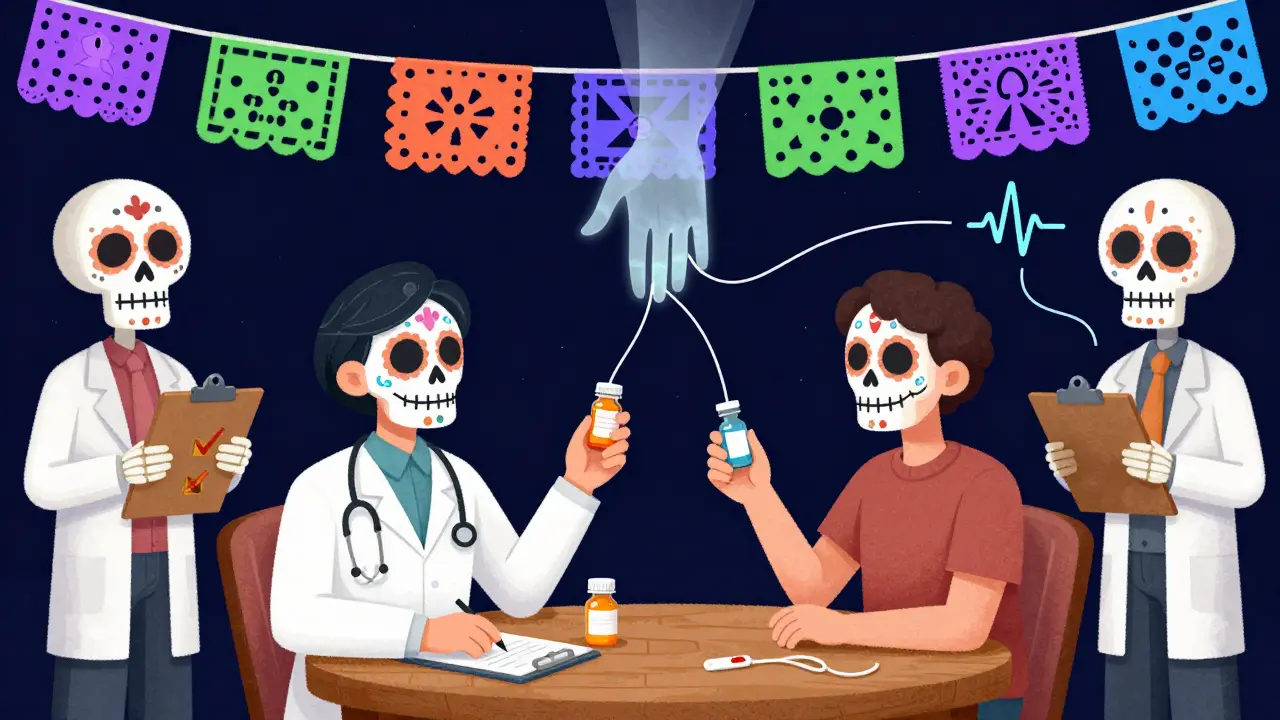
Many women with epilepsy use hormonal birth control-pills, patches, rings. But here’s the catch: some seizure meds can make these contraceptives useless. If you’re on carbamazepine, phenytoin, phenobarbital, topiramate (at doses over 200 mg/day), or oxcarbazepine, your birth control might not work. These drugs speed up how fast your body breaks down hormones. The result? Unexpected pregnancy.
And it goes both ways. Hormonal contraceptives can lower the effectiveness of some seizure medications. Lamotrigine, valproate, zonisamide, and rufinamide can become less effective when taken with birth control. That means more seizures. More risk. More danger.
This isn’t a minor footnote. It’s a life-altering interaction. A 2023 study from AESNET found that two out of three women of childbearing age with epilepsy answered basic questions about these interactions wrong. That’s not ignorance-it’s a failure of communication. Many doctors still don’t talk about this clearly, or assume patients already know.
The Double Bind: Seizures vs. Medication
Here’s the hardest part: stopping your seizure meds during pregnancy is just as dangerous as taking them. A single tonic-clonic seizure-where you lose consciousness and convulse-can cause oxygen loss to the fetus, trigger premature labor, or even lead to miscarriage. The risk of injury to both mother and baby from uncontrolled seizures is real and immediate.
This creates what researchers call an “excruciating double bind.” You can’t afford to have seizures. But you also can’t afford to take the most effective drugs. That’s why preconception planning isn’t optional-it’s essential. If you’re thinking about getting pregnant, or even if you’re sexually active and not using reliable contraception, you need to talk to your neurologist now. Don’t wait until you’re pregnant. Don’t assume your current meds are fine. Don’t assume your OB-GYN knows the full picture.
What You Should Do Now
If you’re a woman of childbearing age with epilepsy, here’s what to do:
- Review your current medication. If you’re on valproate, ask your doctor if switching to lamotrigine or levetiracetam is possible. Even if your seizures are well-controlled, the long-term risk to a future child matters.
- Talk about birth control. If you’re using pills, patches, or rings, ask if your seizure meds interfere with them. If you’re on carbamazepine or phenytoin, consider an IUD or implant instead-they’re not affected by these drugs.
- Get preconception counseling. This isn’t just for women who are trying to get pregnant. It’s for anyone who could get pregnant. A neurologist who specializes in epilepsy and pregnancy can help you balance seizure control with fetal safety.
- Don’t stop meds on your own. The NIH and American Epilepsy Society agree: stopping seizure medication without medical supervision is more dangerous than continuing it. Always work with your care team.

What’s Still Unknown
Even with all we know, there are gaps. The MHRA review found that 11 other antiseizure drugs don’t have enough data to say whether they’re safe during pregnancy. That means if you’re on a newer drug, you might not have clear answers. Research is ongoing. Long-term studies on children exposed to newer ASMs are still being tracked. But the trend is clear: we’re moving toward safer options. The 39% drop in birth defects over two decades proves that better choices work.
And yet, the stigma hasn’t fully disappeared. In the 1950s, some U.S. states banned people with epilepsy from marrying. Today, the pressure is quieter, but it’s still there-women are told they’re “too risky” to have kids. The truth? With the right care, more than 90% of babies born to women with epilepsy are healthy. That’s not luck. It’s science. It’s better prescribing. It’s informed choices.
Can I still get pregnant if I take seizure medication?
Yes, absolutely. More than 90% of babies born to women with epilepsy are healthy and free of major birth defects. The key is choosing the right medication before pregnancy and working with a care team that understands both epilepsy and reproductive health. Many women with epilepsy have successful pregnancies with proper planning.
Is valproate banned for women who might get pregnant?
It’s not legally banned, but medical guidelines strongly recommend avoiding it in women of childbearing age unless no other option works. In many countries, including Canada and the UK, doctors are required to warn patients about valproate’s risks and document that the patient understands them before prescribing it. Most neurologists will only use valproate as a last resort.
Do I need to change my medication if I’m not planning to get pregnant?
If you’re sexually active and not using highly effective contraception (like an IUD or implant), yes-you should consider switching. Many women don’t realize they could get pregnant unexpectedly. Even if you don’t plan to have kids, your medication choices today affect your future options. Lamotrigine and levetiracetam are safer long-term for reproductive health.
Can birth control pills make my seizures worse?
Yes, in some cases. Hormonal birth control can lower the blood levels of lamotrigine, valproate, zonisamide, and rufinamide, which may cause more seizures. If you notice your seizures increasing after starting the pill, patch, or ring, tell your doctor. You may need a dosage adjustment or a different type of contraception.
Are newer seizure medications safer overall?
Generally, yes. Medications like lamotrigine and levetiracetam have been studied more thoroughly in pregnancy and show minimal risk. Older drugs like valproate, phenobarbital, and phenytoin carry higher risks. But safety isn’t just about the drug-it’s about dose, timing, and individual health. Always work with a specialist to find your best option.
Final Thought
You don’t have to choose between controlling your seizures and having a healthy baby. That idea is outdated. Today, we have better tools, better data, and better guidance. The real challenge isn’t science-it’s access. If your doctor hasn’t talked to you about this, ask. If you’re unsure about your meds, get a second opinion. The goal isn’t perfection. It’s safety. And with the right plan, that’s possible.