Why Your Medication Might Be Making You Sicker Than It Should
You take your blood pressure pill every morning. You pop your cholesterol statin at night. You add an over-the-counter painkiller when your back flares up. Sounds normal, right? But what if those pills, when taken together, are secretly turning up the volume on side effects you never expected? That’s not a coincidence-it’s a drug interaction.
Drug interactions happen when one substance changes how another works in your body. It could be another prescription, a supplement, grapefruit juice, or even an underlying health condition. These aren’t rare oddities. They’re a leading cause of preventable harm. In fact, drug interactions are behind 6% to 30% of all bad reactions to medications. And the worst part? Most of them are avoidable.
How Interactions Turn Mild Side Effects Into Dangerous Ones
There are two main ways drugs mess with each other: how your body handles them (pharmacokinetics) and how they act on your body (pharmacodynamics).
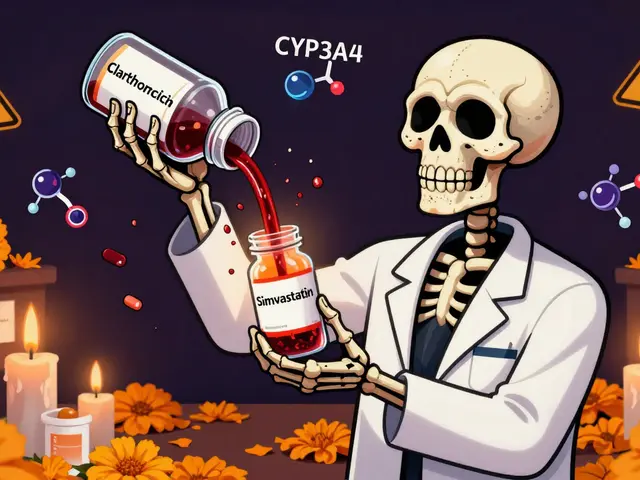
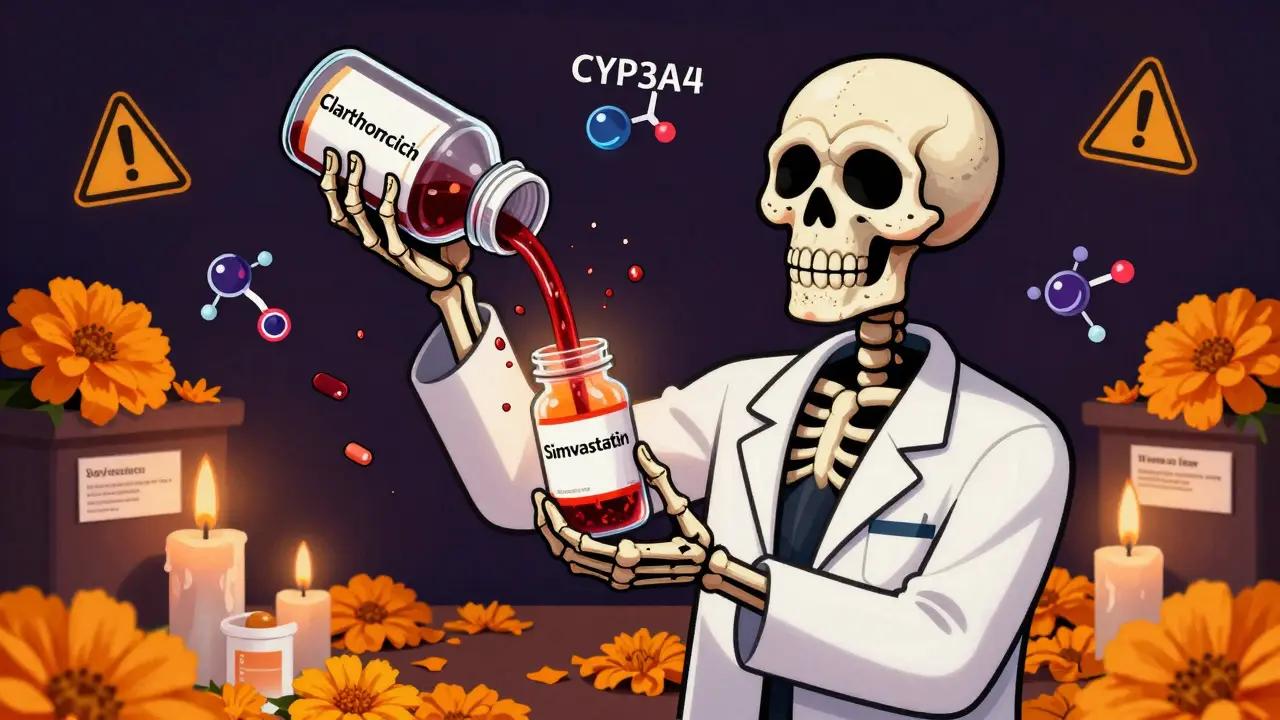
Pharmacokinetic interactions are like traffic jams in your metabolism. Your liver uses enzymes-especially CYP3A4-to break down about half of all medications. If another drug blocks that enzyme, your medicine builds up like a backed-up drain. Take simvastatin, a common statin, with clarithromycin (an antibiotic). Clarithromycin shuts down CYP3A4. The result? Simvastatin levels spike 8.4 times higher than normal. That’s not just a little muscle soreness-it’s rhabdomyolysis, a life-threatening muscle breakdown. The rate jumps from 0.3 cases per 10,000 to 2.7 per 10,000. That’s a 900% increase.
Then there’s absorption. Tetracycline antibiotics bind to calcium in milk or antacids. That stops the antibiotic from being absorbed. You might take it as directed, but your body gets only 10% of the dose. The infection doesn’t clear. You end up back at the doctor.
Pharmacodynamic interactions are even sneakier. They don’t change how much drug is in your blood-they change what the drug does. Warfarin, a blood thinner, becomes far more dangerous when mixed with aspirin. Together, they double your risk of dangerous bleeding. Add in amiodarone (a heart rhythm drug), and that risk jumps 2.5 times. No warning label? No red flag from your doctor? That’s how people end up in the ER with internal bleeding.
The Silent Culprits: Grapefruit, Supplements, and Your Genes
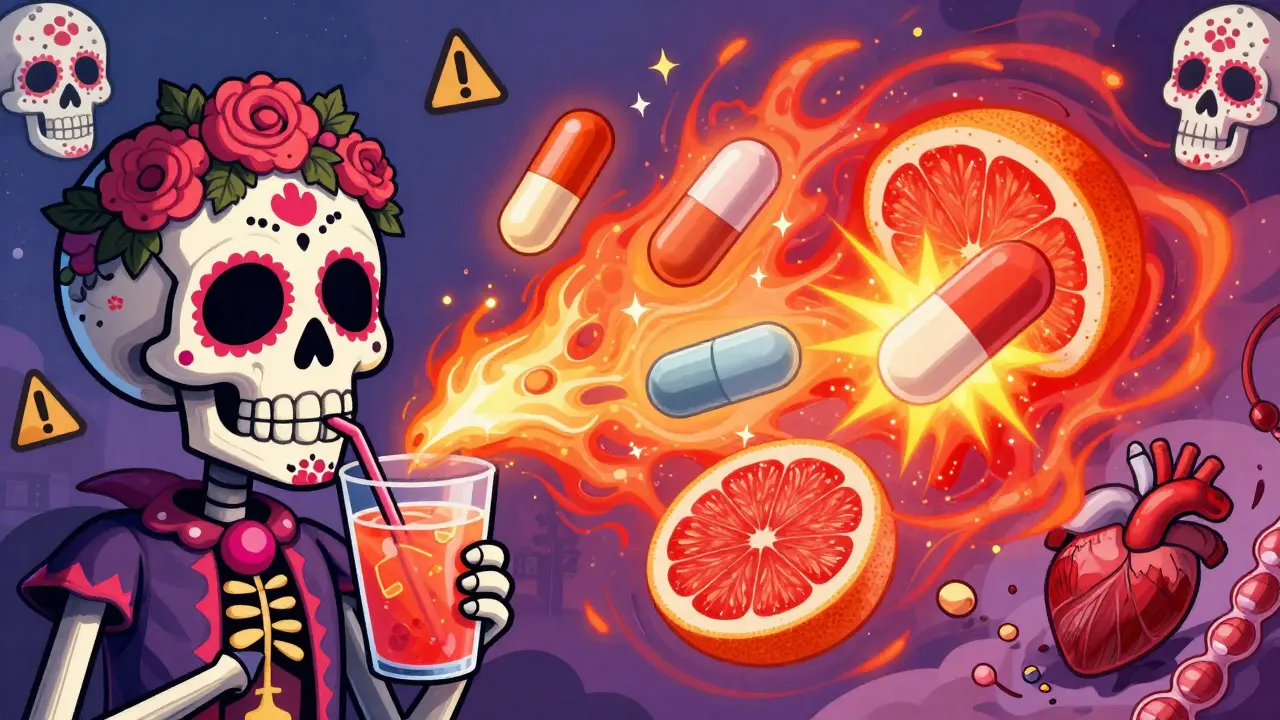
It’s not just other pills. Food can be just as dangerous. Grapefruit juice isn’t just a healthy breakfast addition-it’s a metabolic bomb. It blocks CYP3A4 in your gut. One glass can make felodipine (a blood pressure drug) hit 300% higher levels in your blood. That’s not a typo. Three times the dose. Amlodipine? Safe. Why? Because it doesn’t rely on that enzyme. You need to know which drug you’re on.
Supplements aren’t safer just because they’re natural. St. John’s wort, often used for mild depression, speeds up CYP3A4. That means it can flush out birth control pills, transplant drugs, and even some antidepressants before they have time to work. One study showed it cut blood levels of cyclosporine-a critical transplant drug-by over 50%. Rejection risk skyrockets.
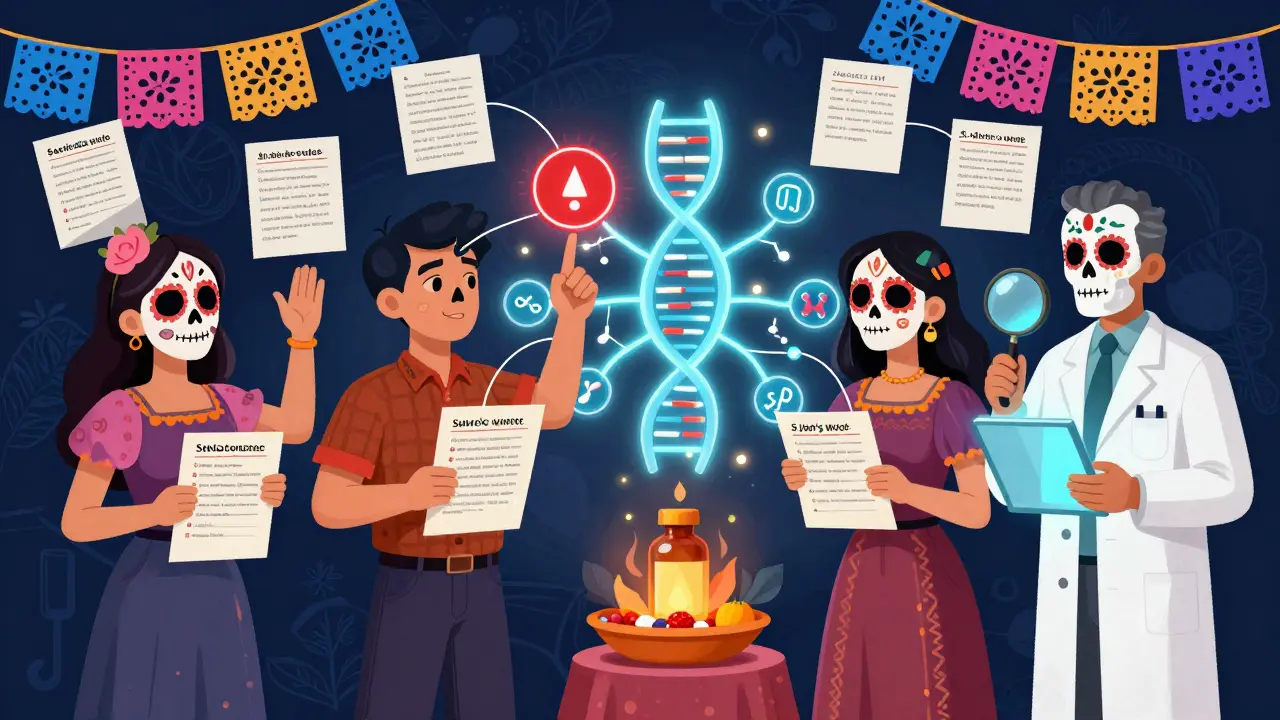
And then there’s your DNA. About 3% to 10% of white people have a genetic variation that makes them poor metabolizers of CYP2D6. That’s the enzyme that turns codeine into morphine. If you’re one of them, codeine does nothing. But if you’re an ultra-rapid metabolizer? You turn codeine into morphine too fast. That’s how a child died after tonsil surgery-given a standard dose of codeine, they overdosed on morphine their own body made too quickly. The FDA now requires pharmacogenetic warnings on over 30% of new drug labels.
Who’s at Highest Risk? It’s Not Just the Elderly
Most people think it’s older adults on a dozen pills. And yes, they’re at risk. But the real danger zone is polypharmacy-taking five or more medications. A 2024 study found that people on five or more drugs had a 78% higher chance of an adverse event. With ten or more? That risk jumps 153%.
But it’s not just quantity. It’s combination. The most dangerous pairs? Aspirin + warfarin. Clarithromycin + prednisolone. Amiodarone + furosemide. These aren’t random. They’re well-documented killers. And they’re still being prescribed.
Even younger people aren’t safe. A Reddit thread from October 2023 had 147 real patient stories. Top complaints? Statin + grapefruit causing muscle pain so bad they couldn’t walk. SSRIs + tramadol triggering serotonin syndrome-racing heart, confusion, fever. Warfarin + vitamin K supplements causing INR levels to swing wildly. These aren’t anecdotes. They’re patterns.
Why Doctors Miss These Interactions
You’d think electronic health records would catch this. They don’t. A 2023 survey of 3,500 doctors found that 74% felt overwhelmed by interaction alerts. Nearly 60% admitted they ignore them. Why? Because 90% of alerts are low-risk noise. Your EHR flags every possible interaction-even ones that are clinically meaningless. You get so many warnings, you stop listening.
And here’s the kicker: nurses catch 40% of drug interaction side effects that doctors miss. Why? Because they’re the ones watching patients. They see the tremors, the confusion, the sudden bruising. They’re not just clicking through alerts-they’re observing real people.
Patients aren’t always told, either. A Drugs.com analysis found that medications with high interaction potential get 1.2 stars lower on average. Why? Because patients say: “No one warned me.”
What You Can Do Right Now
You don’t need to be a pharmacist to protect yourself. Here’s what actually works:
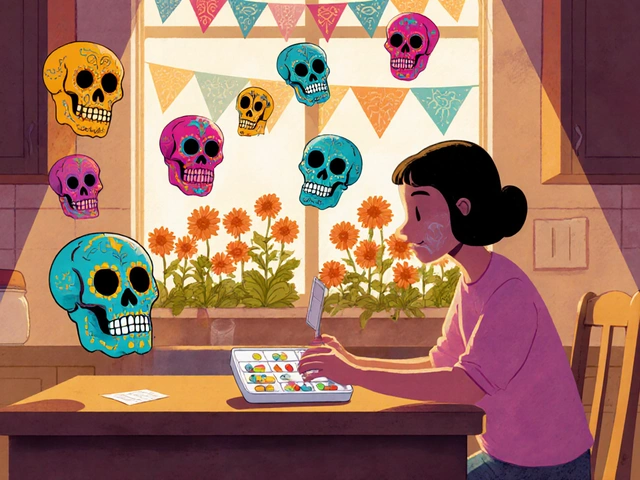
- Keep a full list of everything you take-prescriptions, supplements, herbs, even over-the-counter painkillers. Include dosages and how often you take them.
- Bring that list to every appointment-even if you think it’s obvious. Don’t assume your doctor knows what you’re taking.
- Ask: “Could this interact with anything else I’m on?” Don’t wait for them to bring it up. Ask about new prescriptions, supplements, or even foods like grapefruit.
- Use a trusted interaction checker-apps like Medscape or Epocrates are free and reliable. Don’t rely on Google searches.
- Watch for new symptoms-especially in the first week after starting a new drug. Muscle pain, dizziness, nausea, unusual bruising, or confusion? That’s not just “side effects.” That could be an interaction.
Pharmacists are your secret weapon. If your pharmacy offers Medication Therapy Management (MTM), sign up. Studies show it cuts hospitalizations by 23%. Most insurance plans cover it for free.
The Bigger Picture: Why This Matters
Adverse drug events cost the U.S. healthcare system $30 billion a year. Drug interactions make up $9 billion to $15 billion of that. That’s not just money. That’s hospital beds. That’s lost workdays. That’s lives.
But here’s the good news: 30% to 50% of these reactions are preventable. We have the tools. We have the data. We just need to use them.
AI is starting to help. New models can predict toxic drug combinations with 89% accuracy-22% better than old systems. Hospitals are testing wearable sensors that track warfarin levels in real time. Blockchain systems are being piloted to share medication histories across clinics.
But none of that matters if you don’t speak up. You’re the only one who knows what you’re taking. You’re the only one who feels the side effects. Don’t wait for the system to catch up. Ask the questions. Keep the list. Speak up.
Frequently Asked Questions
Can over-the-counter drugs cause dangerous interactions?
Yes. Common OTC drugs like ibuprofen, naproxen, and even antacids can interact badly with prescriptions. For example, combining ibuprofen with blood thinners like warfarin or aspirin increases bleeding risk. Antacids with calcium or magnesium can block absorption of antibiotics like tetracycline or thyroid meds. Always check with your pharmacist before taking any new OTC product, even if it’s labeled “safe.”
Is grapefruit the only food that interacts with meds?
No. Vitamin K-rich foods-like kale, spinach, and broccoli-can make warfarin less effective, leading to clots. Alcohol can worsen liver damage from acetaminophen or increase drowsiness with sedatives. Dairy can reduce antibiotic absorption. Even caffeine can interfere with some psychiatric medications. It’s not just grapefruit, but it’s one of the most dangerous.
Why don’t doctors always warn me about interactions?
Many doctors are overwhelmed. Electronic systems flood them with alerts, most of which are low-risk. They start ignoring them. Also, some interactions are rare or only dangerous in specific cases-like with certain genetic profiles. If your doctor doesn’t mention it, it doesn’t mean it’s not a risk. Ask. Be proactive.
Are natural supplements safer than prescription drugs?
No. Supplements are not regulated like drugs, so their potency and ingredients can vary. St. John’s wort can make birth control fail or cause transplant rejection. Garlic and ginkgo can thin your blood. Omega-3s can increase bleeding risk with anticoagulants. Just because it’s “natural” doesn’t mean it’s safe with your meds.
How do I know if I’m having a drug interaction?
Look for new or worsening symptoms after starting a new drug, supplement, or changing your diet. Muscle pain or weakness (especially with statins), unexplained bruising or bleeding, confusion, dizziness, rapid heartbeat, nausea, or sudden changes in mood or energy could be signs. Don’t assume it’s just aging or stress. Contact your doctor or pharmacist immediately if you notice anything unusual.
What to Do Next
If you’re on more than three medications, take five minutes today. Write down every pill, patch, capsule, and supplement you take. Include dosages and times. Bring it to your next appointment. Ask your pharmacist to run a check. If you’ve had a bad reaction before, make sure it’s in your record.
Drug interactions aren’t about being careful. They’re about being informed. You have the power to stop them before they start.