
If you take more than one medication, the chance that two drugs will affect each other is real. That’s what we call a drug interaction. It can make a medicine work less well, cause new side effects, or even be dangerous. Knowing the basics helps you avoid nasty surprises and keep your health on track.
Most drugs are broken down by enzymes in your liver. When two meds use the same enzyme, they can compete. One drug might stay in your body longer, raising its effect or side‑effects. Others change how a medicine is absorbed in the gut, making it weaker or stronger than intended. Simple examples: taking an antacid with certain antibiotics can stop the antibiotic from working, while mixing blood thinners with NSAIDs can raise bleeding risk.
1. Use a drug interaction checker. Many pharmacy sites and health apps let you type in your meds and see warnings instantly. It’s free and takes seconds.
2. Ask the pharmacist. When you pick up a new prescription, hand the pharmacist a list of everything you’re already taking—prescription, over‑the‑counter, herbs, even vitamins. They can flag problems on the spot.
3. Read the label. Look for sections titled “Drug Interactions” or “Precautions.” If something sounds vague, like “may interact with other medications,” call your doctor to clarify.
4. Keep a medication list updated. Write down drug names, doses, and timing. Review it every few months or whenever you add a new product.
These steps take only a minute but can prevent headaches, hospital visits, or worse.
When an interaction is found, don’t panic. Often the doctor will simply adjust the dose, switch to a different drug, or suggest taking them at separate times of day. The goal is to keep you safe while still treating your condition.
If you notice unexpected symptoms—like sudden dizziness, unusual bruising, or stomach upset after starting a new combo—call your healthcare provider right away. Trust your gut; it’s often the first sign something isn’t right.
Remember, drug interactions aren’t just about prescription pills. Over‑the‑counter pain relievers, allergy meds, and even herbal supplements can cause trouble. For example, St. John’s wort is known to lower the effectiveness of many antidepressants and birth control pills.
Bottom line: staying informed is the cheapest insurance you have. Use a checker, talk to your pharmacist, keep an updated list, and watch for new symptoms. With these habits, you’ll reduce risk and get the most benefit from every medication you take.

Seizure medications can affect fetal development and interact with birth control. Learn which drugs carry the highest birth defect risks, which are safest during pregnancy, and how drug interactions can impact both seizure control and contraception effectiveness.
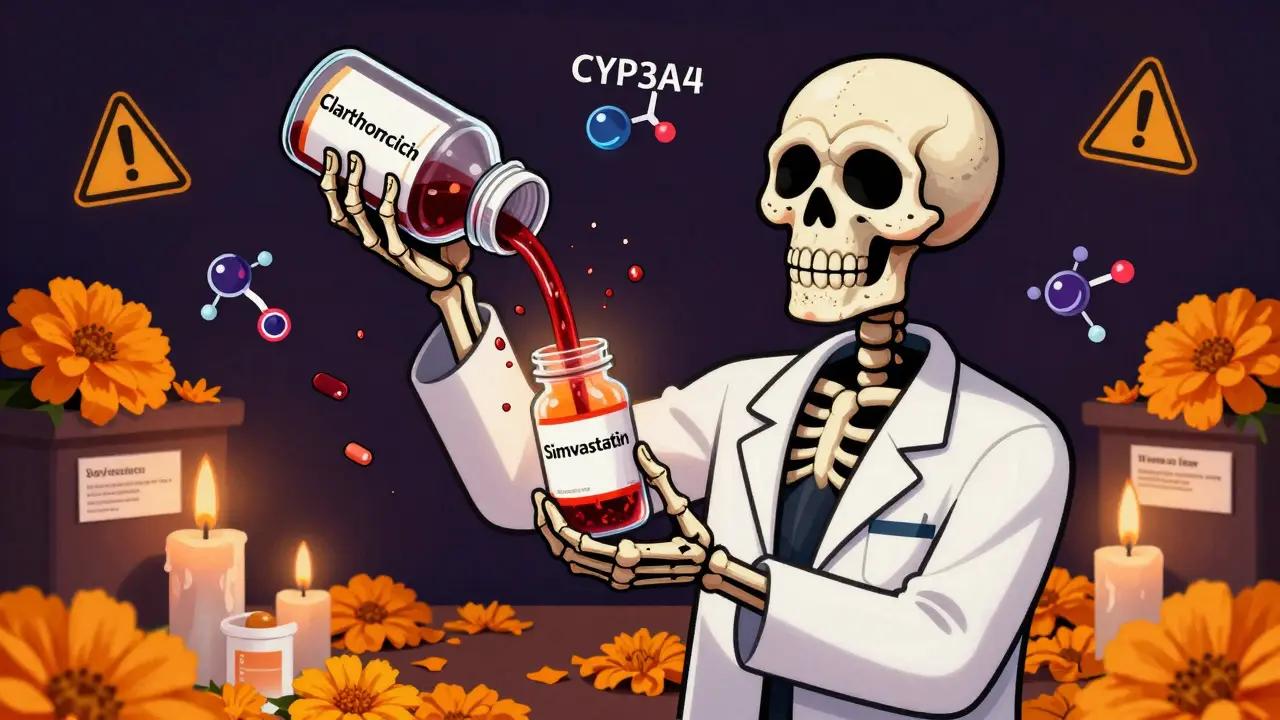
Drug interactions can turn mild side effects into life-threatening events. Learn how common meds, foods, and genetics combine to increase risks-and what you can do to stay safe.
Magnesium supplements can block the absorption of osteoporosis medications like Fosamax and Actonel. Learn the two-hour timing rule to protect your bone health and avoid treatment failure.

Learn how one medication can change how your body handles another - and what you can do to avoid dangerous reactions. Simple, practical steps to stay safe with your prescriptions.
Psychiatric polypharmacy-taking multiple mental health medications at once-is common but often unsupported by evidence. Learn why it happens, the risks involved, and how to safely reduce unnecessary drugs without losing stability.

Beta-blockers and calcium channel blockers can be safely combined for high blood pressure and angina - but only if the right type of calcium channel blocker is used. Verapamil and diltiazem pose serious heart risks when paired with beta-blockers.

Curious about mixing spironolactone and alcohol in 2024? This article breaks down new clinical research on hormone levels and liver effects when the two are combined. Packed with facts, stats, and relatable situations, you'll find smart tips and an honest look at what doctors and studies really say. Readers will understand potential risks, latest findings, and safer habits for daily life—all in plain language.

Hi there, it's your friendly family doctor, here to let you in on some fantastic coupon codes for our online drug store, familydoctor.org. This is a golden opportunity to grab those everyday essential medications and vital prescriptions, without breaking your bank. Don't miss out on these tempting deals that intend to make healthcare easier on your pocket. So, why delay? Come, uncover these discount codes and take a healthy step towards savings!
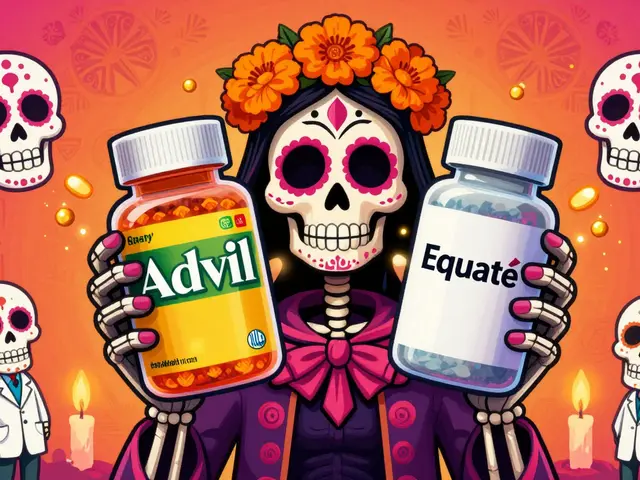
Store brand OTC medications contain the same active ingredients as name brands but cost 80% less. Learn how to save money without sacrificing effectiveness, backed by FDA data and real user experiences.
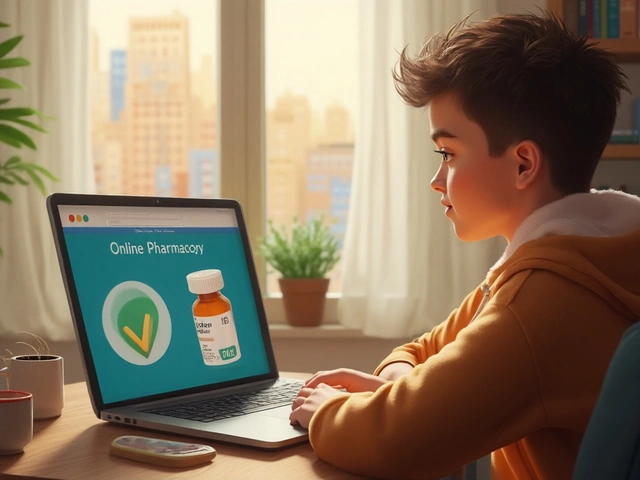
Learn safe ways to purchase cheap generic Singulair online, compare prices, verify pharmacies, and save on your asthma medication.

Learn how to use your pharmacy's consultation service to prevent dangerous drug interactions, save money, and improve medication adherence. A proven safety tool most patients don't know about.
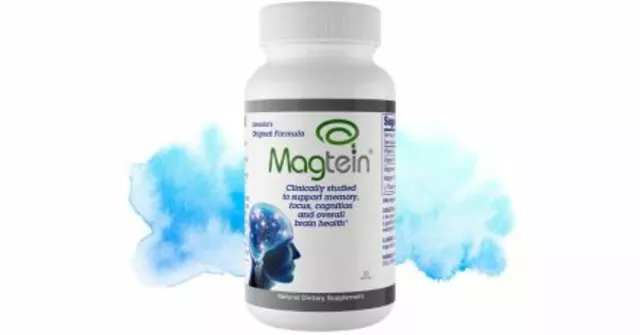
As a blogger, I recently came across a game-changing dietary supplement called Apoaequorin that has been making waves in the health industry. This incredible supplement is known for its potential to enhance memory and focus, which is something we could all benefit from. Derived from the Aequorea Victoria jellyfish, Apoaequorin is a unique protein that has shown promising results in improving cognitive function. I'm excited to explore and share more about this supplement with my readers, as it could be a revolutionary addition to our daily routines. Stay tuned for an in-depth article discussing the benefits, research, and potential side effects of Apoaequorin!