
When you take a medication side effect, an unintended reaction to a drug that isn’t the main reason you’re taking it. Also known as adverse drug reaction, it’s not a bug—it’s a feature of how your body processes chemicals. Even the safest pills can cause nausea, dizziness, or fatigue. Some reactions are mild and fade after a few days. Others? They can be serious enough to land you in the hospital.
Not all side effects come from the active ingredient. Sometimes it’s the inactive ingredients, the fillers, dyes, or preservatives in pills that don’t treat your condition but can trigger allergies or stomach upset. That’s why switching from a brand to a generic isn’t always harmless—different manufacturers use different fillers. And if you’re on multiple drugs, drug interactions, when one medication changes how another works in your body can turn a harmless pill into a risk. For example, mixing alcohol with certain painkillers or antidepressants can crash your liver or slow your breathing to dangerous levels.
Some side effects show up fast—like a rash after an antibiotic. Others creep in slowly: weight gain from antipsychotics, memory fog from long-term benzodiazepine use, or kidney stress from diabetes meds. The problem? Most people don’t report them. They think it’s just "normal" or worry their doctor will take them off the drug. But tracking even small changes—like new dry mouth, unusual fatigue, or mood shifts—can help your provider adjust your plan before things get worse.
It’s not about avoiding meds. It’s about knowing what’s normal and what’s a red flag. If you’re on a drug for years—like blood pressure pills or thyroid meds—you should know the top three side effects it’s known for. And if you’re switching generics, ask your pharmacist: "Is this the same filler as before?" Many people don’t realize they can ask for an authorized generic, a version made by the brand company itself, with the exact same ingredients as the original—and it often costs less than the brand.
Side effects aren’t random. They’re tied to your age, your other conditions, your diet, even your genes. That’s why two people on the same drug can have totally different experiences. One gets sleepy. The other gets a headache. Neither is wrong. But if you don’t speak up, your doctor won’t know.
Below, you’ll find real stories and clear breakdowns of what happens when drugs interact with your body—what to watch for, how to reduce risks, and how to talk to your pharmacist without sounding like you’re questioning their judgment. No fluff. No fearmongering. Just what actually matters when your pills start acting up.
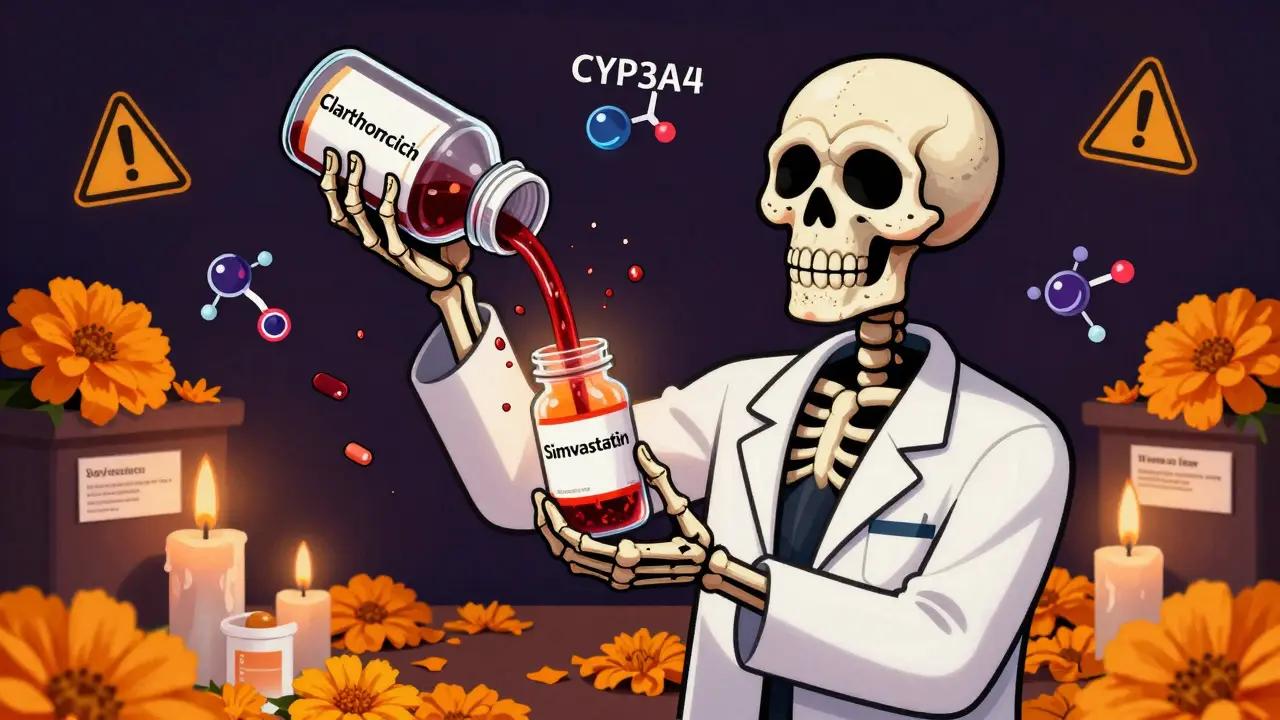
Drug interactions can turn mild side effects into life-threatening events. Learn how common meds, foods, and genetics combine to increase risks-and what you can do to stay safe.
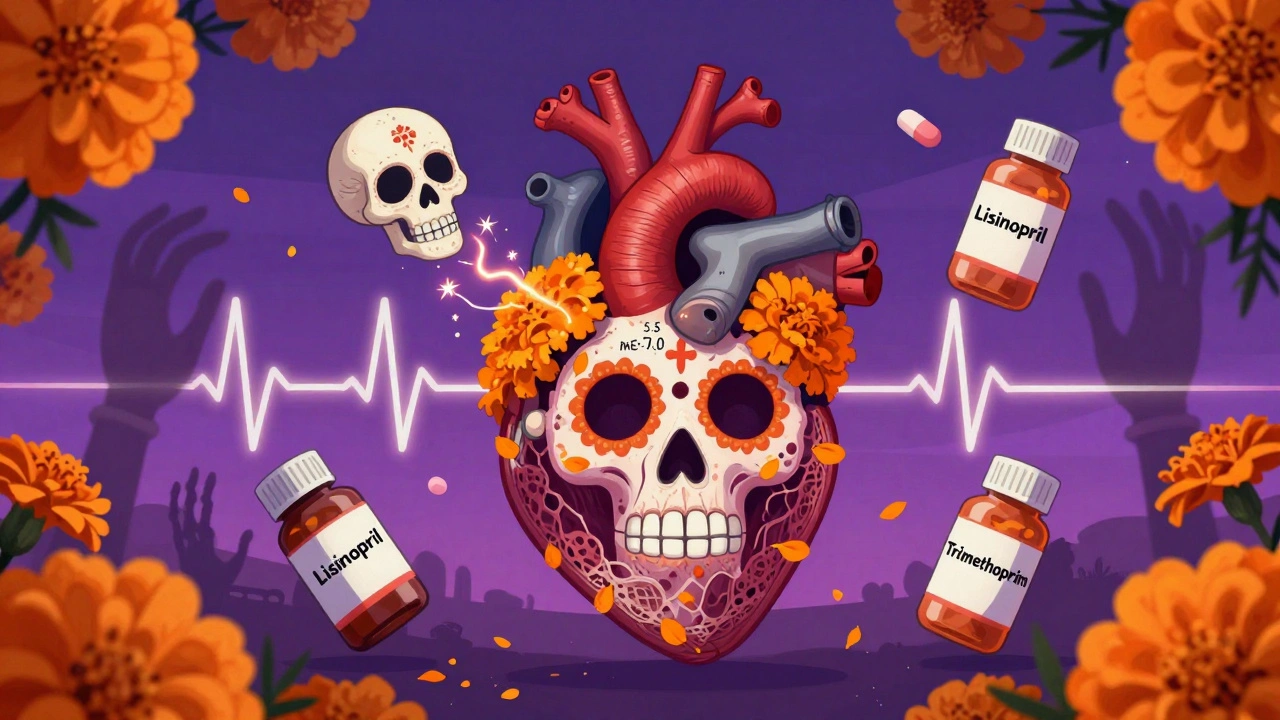
High potassium from common heart and kidney meds can trigger life-threatening heart rhythms. Learn how medications cause hyperkalemia, the silent warning signs, and how new treatments let you stay on life-saving drugs safely.
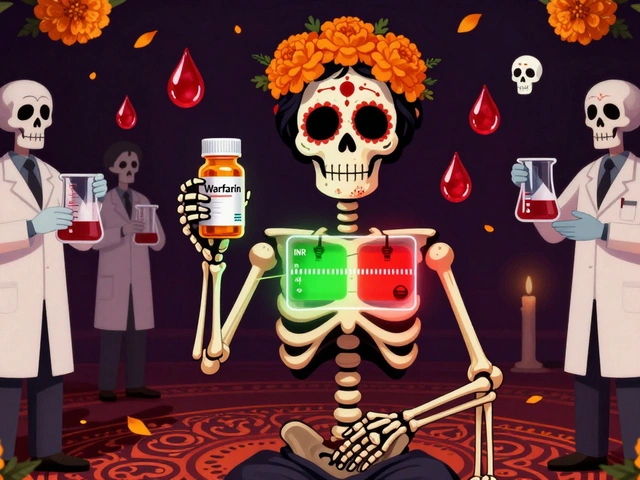
Studies show that switching generic versions of narrow therapeutic index (NTI) drugs like warfarin, phenytoin, and cyclosporine can lead to dangerous fluctuations in drug levels. Learn what the evidence says and how to protect yourself.

In my recent dive into medical research, I stumbled upon a controversial topic: the potential link between Amlodipine, a common high blood pressure medication, and cancer. Several studies have surfaced suggesting a possible association, but the evidence is inconsistent and not yet fully understood. It's essential to remember that correlation does not imply causation, so while this topic definitely warrants further research, there's no need for panic. If you're currently taking Amlodipine, don't stop or change your medication without first discussing it with your doctor. Stay tuned as I continue to monitor this ongoing discussion.
Explore how pharmacy substitution laws work and when pharmacists can switch to generic drugs without asking. Learn about presumed consent, patient rights, and safety concerns.

Discover how Alpine Lady's Mantle, a powerful herbal supplement, supports hormonal balance, bone strength, and overall wellness for women with science‑backed benefits.

Explore how tobacco use fuels pancreatic cancer, the biological mechanisms, risk statistics, and steps to protect yourself.