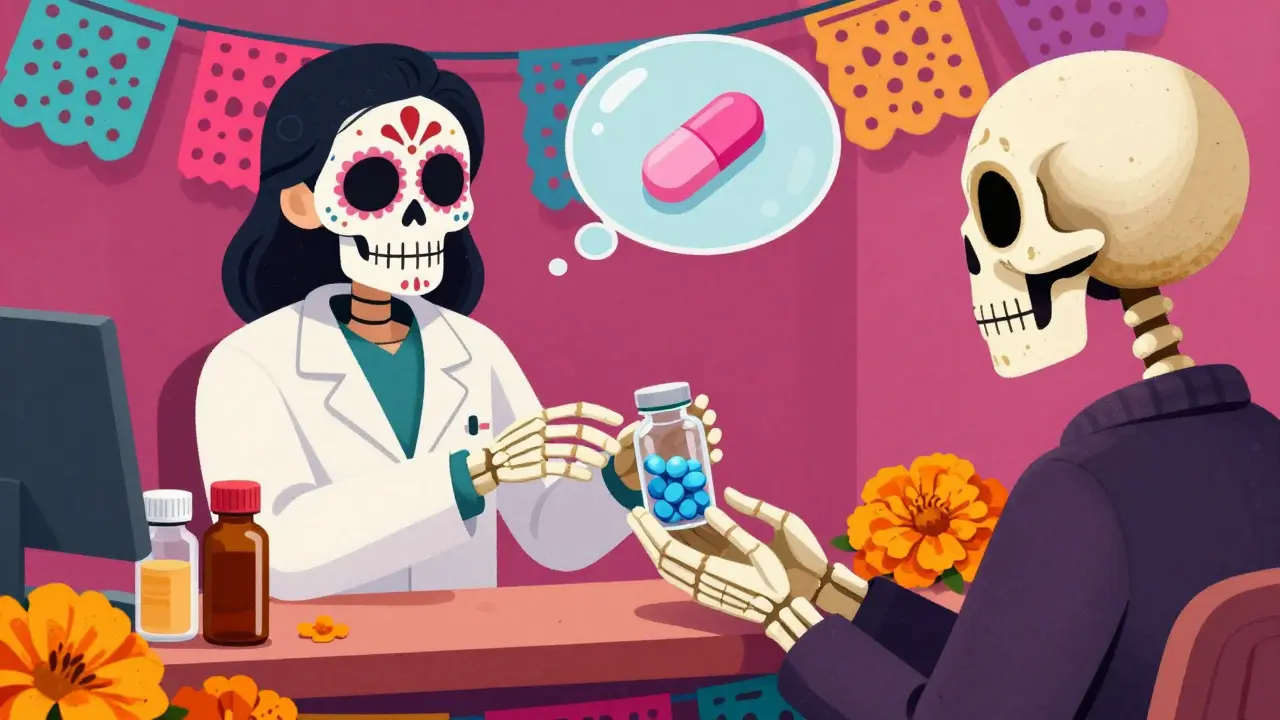
Have you ever walked away from the pharmacy counter with a medication that looks slightly different than what you expected? Sometimes, the pill color changes, or even the manufacturer's name on the label is new. You might not remember asking for it, but in many healthcare systems, this happens under a legal framework called presumed consent. This concept allows pharmacists to swap a brand-name prescription for a generic alternative without needing a signature right then and there. While this system streamlines healthcare costs, it leaves many patients wondering who made the call for them.
At its core, presumed consent is a regulatory rule where the pharmacist assumes the patient agrees to a cost-saving substitution unless they have explicitly said otherwise. This isn't about ignoring patient choice; it's about efficiency in a system that handles millions of prescriptions daily. In some regions, nearly all prescriptions dispensed this way save billions annually. But how does it work exactly, and when does the pharmacist actually need to ask?
The Foundation of Generic Substitution
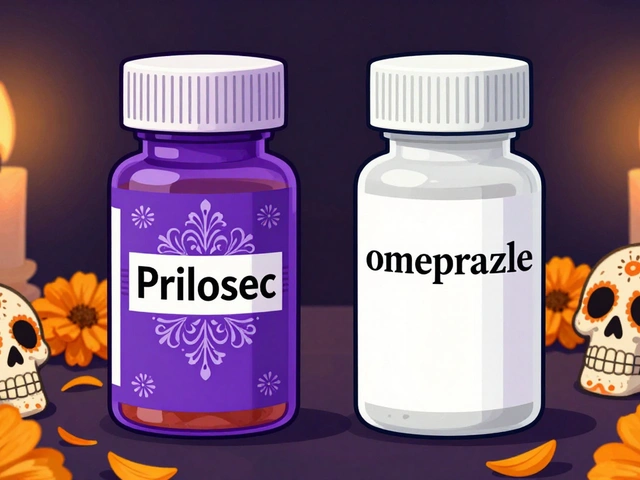
To understand the law, we need to look at how drugs enter the market. When a brand-name company creates a new drug, they hold a patent. Once that patent protection expires, other companies can make identical versions. These are generics. They must meet strict standards set by health regulators to prove they work just as well as the original. In the United States, the FDA's "Approved Drug Products with Therapeutic Equivalence Evaluations," commonly known as the Orange Book, lists drugs rated 'A' as therapeutically equivalent. This rating is the green light for substitution.
This system gained momentum starting in the 1980s with the Drug Price Competition and Patent Term Restoration Act. Often referred to as the Hatch-Waxman Act, it created the pathway for generics to gain approval faster and cheaper. Without this act, the modern generic market wouldn't exist. Because of these foundations, regulators realized that getting verbal permission for every single substitution would clog pharmacies. That's why 43 out of 50 U.S. states operate under frameworks where consent is presumed. The logic is simple: the patient likely prefers a lower-cost option that meets the same medical standard.
Mandatory Versus Permissive Laws
Even within countries using this framework, the rules aren't uniform everywhere. A critical distinction exists between whether a pharmacist is allowed to substitute versus required to do so. This is often called duty to substitute. In 19 states, the law is mandatory. If a generic is available, the pharmacist must offer it. In contrast, permissive laws allow the pharmacist to choose. Even in permissive zones, however, financial incentives from insurance plans usually push toward the generic anyway.
Why does this split matter? In mandatory states, the barrier to entry for generic use is higher, which drives down costs further. Studies suggest that mandatory environments see slightly different dispensing patterns. However, the real friction comes down to consent protocols. While 43 states presume consent, seven states require explicit permission before the switch occurs. Places like Alaska and Hawaii sit in this stricter category. Here, the pharmacist must stop and get a signature. Elsewhere, the process is seamless, but post-substitution notification becomes key. Patients are still informed; they just learn about it after the swap, typically via a notice on the bottle or a digital alert.
Safety Concerns and Narrow Therapeutic Index Drugs
You might wonder, isn't switching pills risky? For most medications, the risk is negligible. The bioequivalence standards are rigorous. However, a specific group of drugs requires closer attention. These are medications with a narrow therapeutic index. For these drugs, the difference between a helpful dose and a harmful dose is very small. Antiepileptic drugs, used for seizures, are the classic example. If the blood concentration drops too low, seizures return. If it goes too high, toxicity occurs.
Regulators recognize this danger. The American Epilepsy Society has tracked cases where substitution seemed linked to breakthrough seizures. As a result, several states have carved out exceptions to the general presumption. Even in areas where generics are the default, certain controlled substances or NTI drugs may require the brand name to be maintained unless the prescriber specifically authorizes a change. This balance highlights that safety always trumps cost. If you take such a medication, checking the label is vital. If you see a new manufacturer, verify with your doctor that the switch is safe for your specific physiology.

Biosimilars and Complex Medications
The rules get even trickier when we move beyond simple pills. Biologic drugs, which are complex proteins rather than small chemical molecules, have their own version of generics called biosimilars. The regulatory landscape here lags behind traditional generics. While there are 46 states allowing automatic substitution for small-molecule drugs, only a fraction extend the same ease to interchangeable biologics. Only six states currently permit automatic substitution without extra checks.
Why the hesitation? Biologics are harder to copy perfectly. A reference product and a biosimilar are similar, but not chemically identical in every way. The FDA's Purple Book tracks interchangeability status here. In 2023, reports indicated significant variation in state rules for these products. Some states prohibit automatic swapping entirely for this class. For patients on high-cost biologics, this means you often have to watch the label closely. A slight change in the name doesn't always mean the same therapeutic outcome, and the rules reflect that caution.
The Economic Impact of Presumed Consent
Why bother with this complicated web of laws? The answer lies in the numbers. Generic drugs account for roughly 90% of prescriptions written today but only 15% of total spending. This massive gap saves money everywhere-from insurance premiums to out-of-pocket costs. One projection estimated over $1.6 trillion saved across a decade due to generic availability facilitated by these laws. When you break it down to the individual, the math adds up quickly.
In Medicare Part D programs alone, beneficiaries saw average annual savings of over $600 per person due to these substitutions. It's not just about personal cash flow either. Pharmacies also benefit. Efficiency studies show that streamlined substitution processes cut processing time by about 1.7 minutes per script. Multiply that by thousands of daily scripts, and labor costs drop significantly. There's a trade-off, though. Critics argue this prioritizes speed over autonomy. A Harvard professor noted in 2022 that removing patient choice for specific med classes could pose risks. Yet, the overwhelming economic data keeps the trend moving toward broader substitution.

Patient Rights and Notification Rules
So, does this leave you powerless? Not quite. Most frameworks include safeguards. Even if initial consent is presumed, notification is often mandated. Thirty-one states plus the District of Columbia require that the patient be told about the substitution after it happens. This ensures you aren't kept in the dark. The label on the bottle usually flags if a generic was dispensed instead of the brand.
If you object, you can opt-out. In many systems, you retain the right to demand the brand-name version, though you might pay the price difference yourself. Insurance plans play a role here. Sometimes they won't cover the brand price, forcing you to absorb the cost. In other setups, paying the extra few dollars unlocks the brand. Knowing your options helps you manage the interaction. If you've had bad experiences with a specific generic manufacturer in the past, telling your pharmacist is key. They may keep a note in your profile to bypass the auto-swap.
| Feature | Presumed Consent States | Explicit Consent States |
|---|---|---|
| Generic Dispensing Rate | 92.3% | 87.1% |
| Patient Permission | Assumed | Required Beforehand |
| Notification Timing | Post-Dispense | Prior to Dispense |
| Liability Shielding | 26 States Protected | Varies by Jurisdiction |
| Processing Speed | Faster (Efficiency) | Slower (Consent Step) |
Navigating Your Local Rules
Since you're navigating this in a place like Calgary, understanding your local college of pharmacy guidelines is essential. While the detailed statistics above draw from the broad North American regulatory model, the principle remains consistent: provinces and states adapt these federal-style rules to fit local needs. Always check if your province mandates opt-in or opt-out styles. The College of Pharmacists of Alberta, for instance, manages specific criteria for when brand names must be maintained. Knowing the difference prevents surprises at the pickup counter.
Future Trends in Substitution Law
Looking ahead, the landscape is shifting. With the rise of biosimilars, more states are updating their codes. Projections suggest 12 additional jurisdictions might revise their laws by 2025 to accommodate biologics. We are moving toward a tiered system. Basic generics might stay presumed, while sensitive drugs like seizure meds could revert to explicit consent requirements. Standardization efforts are underway, aiming to reduce the confusion of 51 different sets of rules. Until then, staying informed is the best defense for managing your own health care.
Can I refuse a generic substitution?
Yes, in almost all jurisdictions, you have the right to request the brand-name medication. However, your insurance plan might charge you a higher copayment or deny coverage for the brand, meaning you might have to pay the full price difference out of pocket.
Are generic drugs truly the same as brand-name drugs?
They must contain the same active ingredients and meet strict bioequivalence standards. While inactive ingredients like fillers may differ, clinical trials ensure the drug performs the same way in the body.
When does a pharmacist have to ask for permission?
In explicit consent states or for specific drug classes like narrow therapeutic index medications, the pharmacist must get approval before swapping. In presumed consent states, they assume agreement but must notify you afterwards.
How do I know if my medicine was substituted?
The prescription label usually indicates if a generic was dispensed. Additionally, pharmacists are often required to provide a written notice or digital message informing you that a substitution occurred.
Do these laws apply to biologic medicines?
Rules for biologics are stricter. Fewer jurisdictions allow automatic substitution for biosimilars compared to traditional generics. You should check with your pharmacy regarding specific interchangeability designations.