When you get hurt on the job, the last thing you want to worry about is whether the medicine you’re given is just as good as the brand-name version. But in workers’ compensation systems across the U.S., generic substitution is now the norm-not the exception. It’s not a gimmick. It’s not a cost-cutting trick. It’s science-backed, government-regulated, and saving billions every year.
Why Generic Drugs Are the Standard in Workplace Injury Care
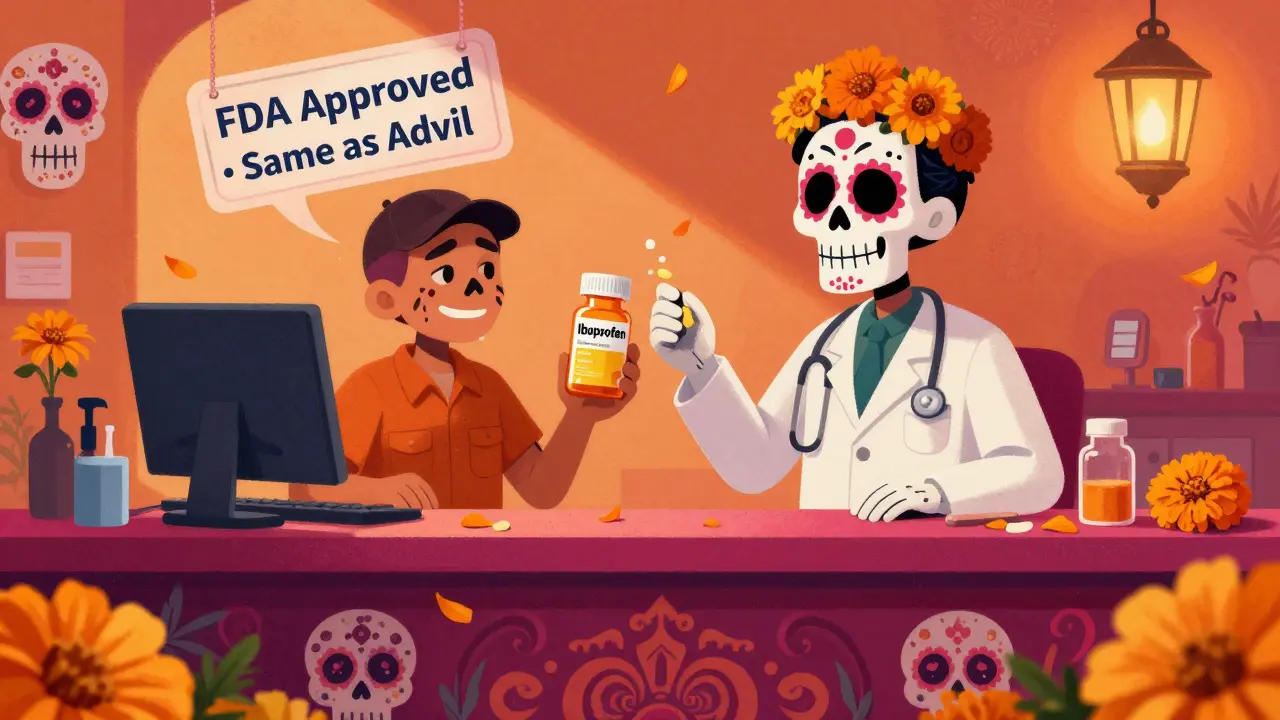
If you’ve ever been prescribed a painkiller after a workplace injury, chances are you got a generic. That’s because most states now require or strongly encourage pharmacies to substitute brand-name drugs with their generic equivalents-unless a doctor specifically says otherwise. The reason? Money. But not in the way you might think. Generic drugs aren’t cheap because they’re low quality. They’re cheap because they don’t need to recoup billions in research and marketing costs. The FDA requires generics to have the same active ingredients, strength, dosage form, and absorption rate as the brand-name version. That means naproxen works the same as Aleve. Ibuprofen works the same as Advil. Diclofenac works the same as Voltaren Gel. Data from myMatrixx shows that between 2015 and 2019, the price of commonly used brand-name drugs in workers’ comp jumped 65.5%. Meanwhile, generic versions dropped 35%. That’s not a typo. A $100 brand-name drug could be replaced with a generic for about $20. In a system where pharmacy costs make up 20% of total workers’ comp spending, those savings add up fast.How It Works: The Rules Behind the Switch
Generic substitution isn’t random. It’s controlled by strict rules. The FDA’s Orange Book lists every approved generic and rates it for therapeutic equivalence. Only generics rated “AB” are allowed for substitution-meaning they’re proven to work the same as the brand. Most states have formal drug formularies that dictate which drugs can be prescribed. As of 2023, 38 states have them. Tennessee’s 2023 Medical Fee Schedule says clearly: “An injured employee should receive only generic drugs… unless the authorized treating physician documents medical necessity for the brand-name product.” That means if your doctor wants to prescribe Celebrex instead of generic celecoxib, they have to explain why-on paper. Patient preference doesn’t count. Comfort doesn’t count. Only clinical need does. Pharmacy Benefit Managers (PBMs) like OptumRx, Express Scripts, and Prime Therapeutics manage these rules for insurers. They block brand-name prescriptions unless pre-approved. In states like California, generic substitution rates hit 92.7% by 2022. In states without formularies, it’s still around 83%.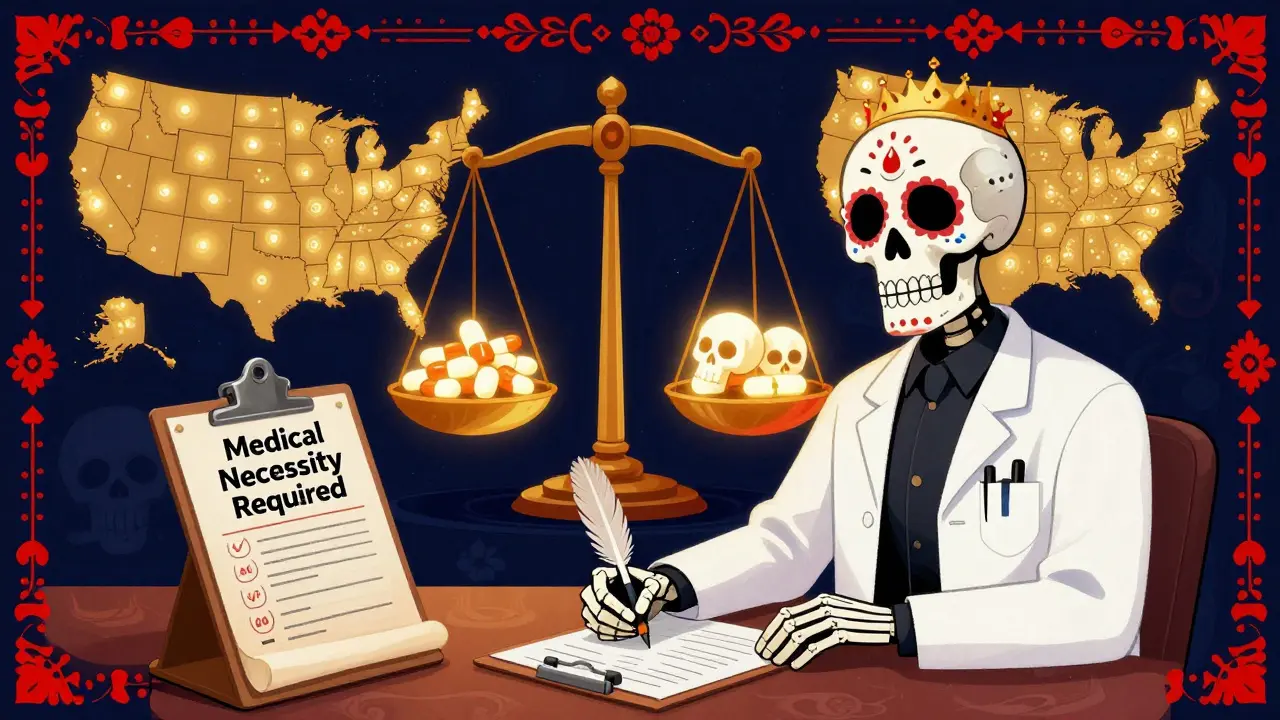
What Injured Workers Actually Experience
You might have heard stories-“My cousin got the generic and it didn’t work.” Or “I asked for the brand and they refused.” These aren’t myths. They’re real concerns. A 2019 survey found 68% of injured workers believed brand-name drugs were better. That’s not surprising. Marketing tells us that. But here’s what happened after they used generics: 82% said they felt the same relief. No difference. Same pain control. Same side effects. Same results. Nurse practitioners in occupational clinics say the biggest hurdle isn’t science-it’s perception. Workers often think generics are “weaker” or “made overseas.” The truth? Most generics are made in the same facilities as brand-name drugs. The FDA inspects them the same way. The active ingredient is identical. The only difference? The color of the pill, the name on the bottle, and the price tag.When Generics Might Not Be the Best Choice
There are exceptions. A small number of drugs have a narrow therapeutic index-meaning the difference between a helpful dose and a harmful one is tiny. Drugs like warfarin, levothyroxine, and some anti-seizure medications fall into this category. Even then, studies show most patients do fine on generics. In 2016, Coventry’s data showed less than 2% of workers’ comp prescriptions had any documented therapeutic failure after switching to generics. That’s not zero-but it’s rare. The bigger issue? Drug shortages. In recent years, manufacturing consolidation has led to supply problems with some generics. When that happens, insurers may have no choice but to approve the brand-name version-even if it costs five times more.
What You Can Do as an Injured Worker
You don’t have to accept the first prescription without asking questions. Here’s what to do:- Ask your pharmacist: “Is this a generic? If so, what’s the brand name?”
- Ask your doctor: “Is there a generic version? If not, why?”
- Don’t assume the brand is better. Ask for data, not anecdotes.
- If you feel the generic isn’t working, don’t just stop taking it. Tell your doctor. They can request a prior authorization for the brand if needed.
- Know your state’s rules. In places like Colorado, 95% of drugs on the formulary must be generic as of 2024.
The Bigger Picture: Where This Is Headed
The trend isn’t slowing. Generic utilization in workers’ comp jumped from 84.5% in 2015 to an estimated 89.2% in 2023. Experts predict it will hit 93.5% by 2025. New challenges are emerging. Biosimilars-generic versions of complex biologic drugs-are starting to appear. Texas began allowing them in 2022 for conditions like chronic pain and inflammation. And soon, pharmacogenomic testing may help determine which drugs work best for your body, making substitution even smarter. But the core truth hasn’t changed: generic substitution isn’t about cutting corners. It’s about using proven science to deliver the same care at a fraction of the cost. For injured workers, that means faster access to treatment. For employers, it means lower premiums. For the system as a whole, it means sustainability. If you’re worried about your medication, talk to your doctor. Ask why they chose what they did. You have the right to know. And you deserve care that works-whether the label says “Advil” or “ibuprofen.”Are generic drugs really as effective as brand-name drugs for work injuries?
Yes. The FDA requires generic drugs to have the same active ingredients, strength, dosage form, and absorption rate as their brand-name counterparts. Studies show they work the same way in the body. In workers’ compensation, 82% of injured workers who switched from brand-name to generic pain relievers reported no difference in effectiveness.
Why do some doctors still prescribe brand-name drugs?
Some doctors prescribe brand-name drugs out of habit, lack of awareness, or because they believe patients expect them. But in most states, they’re required to document medical necessity if they want to bypass generics. Patient preference alone isn’t enough. If a doctor prescribes a brand without justification, the pharmacy may deny the claim or require additional paperwork.
Can I request a brand-name drug instead of a generic?
You can ask, but you may not get it. Most workers’ comp systems require generics unless a doctor proves a medical reason not to use them. If your doctor believes the brand is necessary-for example, due to an allergy or a rare reaction-they can submit a prior authorization request. But if it’s just because you “prefer” the brand, it’s unlikely to be approved.
Do generic drugs have more side effects than brand-name drugs?
No. The FDA requires generics to meet the same safety and quality standards as brand-name drugs. The inactive ingredients (like fillers or dyes) may differ slightly, which can cause rare allergic reactions in sensitive individuals. But the active ingredient-the part that treats your injury-is identical. Side effects should be the same.
What happens if a generic drug doesn’t work for me?
If you feel a generic isn’t helping, don’t stop taking it. Contact your doctor immediately. They can evaluate whether it’s a true therapeutic failure or just a perception issue. If there’s a documented medical reason-like a previous adverse reaction to a generic-they can request approval for the brand-name version. Less than 2% of cases require this switch.
Are there any drugs that can’t be substituted with generics in workers’ comp?
Yes. Some complex medications, like biologics used for severe inflammation or autoimmune conditions, don’t yet have generic equivalents. These are called specialty drugs and make up about 12.7% of workers’ comp pharmacy costs, but only 4.3% of them have generic options. Also, drugs with a narrow therapeutic index-like warfarin or levothyroxine-require extra monitoring, but generics are still commonly used with success.
How do state laws affect generic substitution?
Each state sets its own rules. Forty-four states and D.C. have laws allowing or requiring generic substitution in workers’ comp. Some, like Tennessee and California, have strict formularies that enforce it. Others are more permissive. Colorado now requires 95% generic use for covered drugs as of 2024. Always check your state’s workers’ compensation medical fee schedule for exact rules.