When you switch from a brand-name NTI drug to a generic version, it’s not like swapping one brand of coffee for another. These are medications where a tiny change in dose - even 10% - can mean the difference between control and crisis. For patients on drugs like warfarin, phenytoin, or cyclosporine, a generic switch isn’t just a cost-saving move. It’s a clinical decision with real consequences.
What Makes a Drug an NTI Drug?
Narrow Therapeutic Index (NTI) drugs have a razor-thin line between working and causing harm. The FDA defines them as medications where small differences in blood concentration can lead to serious, even life-threatening, side effects or treatment failure. Think of it like walking a tightrope: one misstep, and you fall. For most drugs, your body can handle some variation in how much of the drug enters your system. But with NTI drugs, that margin is so small that even a 10% fluctuation in absorption can push you into toxicity or leave you underdosed.
Common NTI drugs include warfarin (blood thinner), phenytoin and levetiracetam (anti-seizure meds), levothyroxine (thyroid hormone), digoxin (heart medication), cyclosporine and tacrolimus (transplant immunosuppressants), and amiodarone (anti-arrhythmic). These aren’t optional medications. Patients on them are often managing chronic, high-risk conditions. A single missed dose or unexpected spike in blood levels can trigger a seizure, a blood clot, organ rejection, or heart rhythm chaos.
Why Generic Switches Raise Concerns
All FDA-approved generics are labeled "AB-rated," meaning they’re supposed to be therapeutically equivalent to the brand. But for NTI drugs, that standard may not be enough. The FDA allows generic drugs to differ from the brand by up to 20% in how much of the active ingredient enters your bloodstream - between 80% and 125% bioequivalence. Sounds fair, right? Except for NTI drugs, that 45% range between the lowest and highest possible exposure can be dangerous.
Consider warfarin. A patient on 5 mg daily might get a generic version that delivers 80% of the expected dose - so effectively 4 mg. Then, months later, they switch to another generic that delivers 125% - now they’re getting 6.25 mg. That’s a 56% increase in exposure. For someone on warfarin, that’s a major jump in bleeding risk. Studies show that after switching generics, nearly 40% of patients see their INR levels swing outside the therapeutic range. That means more doctor visits, more blood tests, and more fear.
Canada and the European Medicines Agency already get this. They require NTI generics to stay within a tighter 90-111% range. The FDA hasn’t adopted that yet, even though experts have been warning about this gap for over 15 years.
What the Studies Say About Specific Drugs
Warfarin: The data is mixed. Some large observational studies show increased INR instability after generic switches - up to 38.9% of patients had worse control. But randomized trials comparing brand and generic warfarin found no significant difference in bleeding or clotting events. Why the contradiction? It might be because patients are switching between different generic manufacturers, not just brand to one generic. One study found that switching from one generic to another - both AB-rated - caused more INR variation than staying on the same brand. The real risk isn’t brand vs. generic. It’s generic vs. generic.
Phenytoin and Levetiracetam: This is where the alarm bells ring loudest. In epilepsy patients, even small drops in drug levels can trigger seizures. One study of 760 patients found that switching to generic levetiracetam led to increased seizure frequency, mood swings, memory loss, and headaches - so much so that many had to switch back. Another study showed generic phenytoin resulted in 22-31% lower blood levels than the brand. Doctors reported 50 cases of breakthrough seizures after generic switches, and nearly half of those patients had lower drug levels at the time of the seizure. For epilepsy, many neurologists refuse to switch patients unless absolutely necessary. Twenty-three states have laws restricting automatic substitution of antiepileptic drugs.
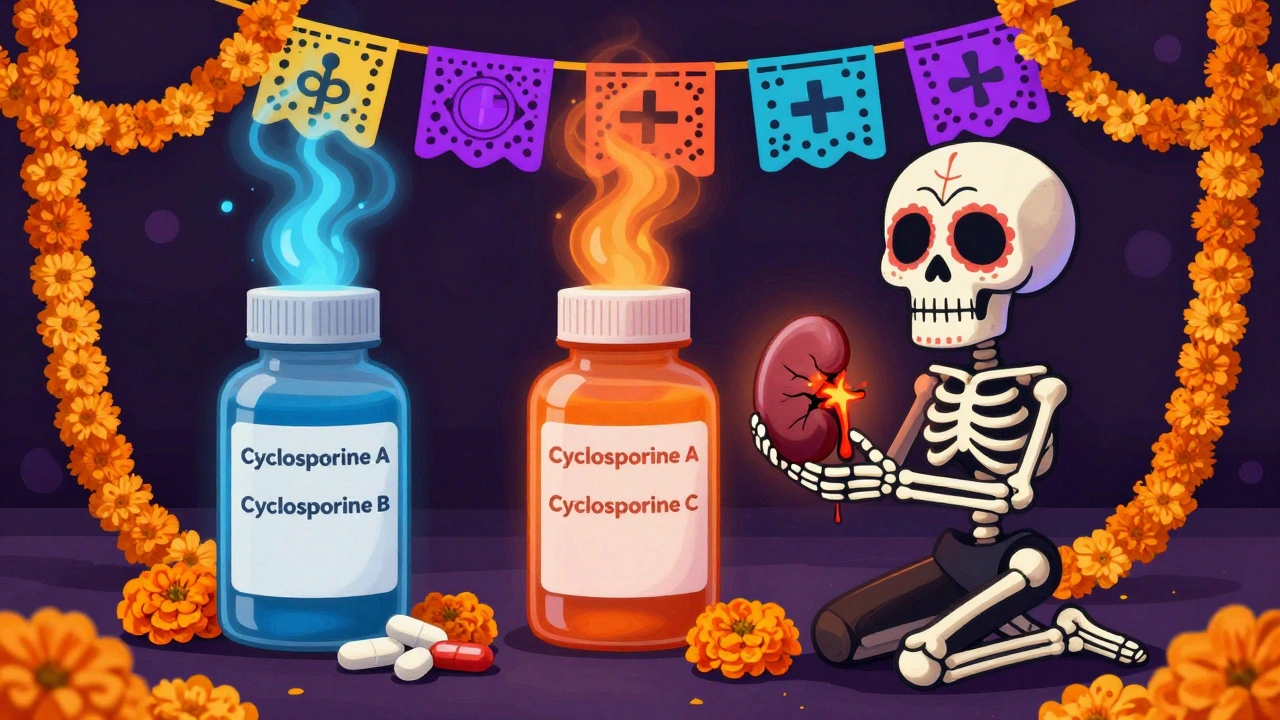
Cyclosporine and Tacrolimus: For transplant patients, rejection is a death sentence. After switching from Neoral (brand) to generic cyclosporine, 17.8% of patients needed immediate dose adjustments. Trough levels jumped from an average of 234 ng/mL to 289 ng/mL in just two weeks - enough to cause kidney damage or toxicity. Tacrolimus studies are more reassuring, showing bioequivalence between brand and generic in stable patients. But here’s the catch: not all generics are the same. One study found that different generic manufacturers produced tablets with active ingredient content ranging from 86% to 120%. That’s not a manufacturing error - that’s normal variation under current standards. Switching between generics can mean a 34% difference in drug exposure.
What Patients and Pharmacists Are Seeing
Real-world experience doesn’t always match clinical trial data. On patient forums, stories are everywhere. One transplant patient on Reddit wrote: "Switched from Neoral to generic. My creatinine spiked. My doctor said I almost lost the kidney." Another epilepsy patient described having three seizures in one week after switching to generic levetiracetam - something she hadn’t had in five years.
Pharmacists know this. A national survey found that while 82% of pharmacists still substitute generics for NTI drugs, 41% recommend extra monitoring after the switch. For antiepileptic drugs, 62% of pharmacists expressed serious concerns about seizure control. Many pharmacists now flag NTI prescriptions for the prescriber - not because they’re against generics, but because they’ve seen what happens when things go wrong.
What You Should Do If You’re on an NTI Drug
If you’re on an NTI medication, here’s what actually matters:
- Ask your doctor if you can stay on the same formulation - brand or generic - long-term. Consistency beats cost savings here.
- Don’t assume "AB-rated" means safe to switch. Two generics can be AB-rated and still behave differently in your body.
- Get blood tests after any switch. For warfarin, check INR within 3-5 days. For cyclosporine or tacrolimus, get a trough level at 2 and 4 weeks. For phenytoin, check levels 1-2 weeks after the switch.
- Track symptoms. If you feel different - more fatigue, mood changes, dizziness, new seizures, unusual bruising - don’t wait. Call your doctor. Don’t assume it’s "just stress."
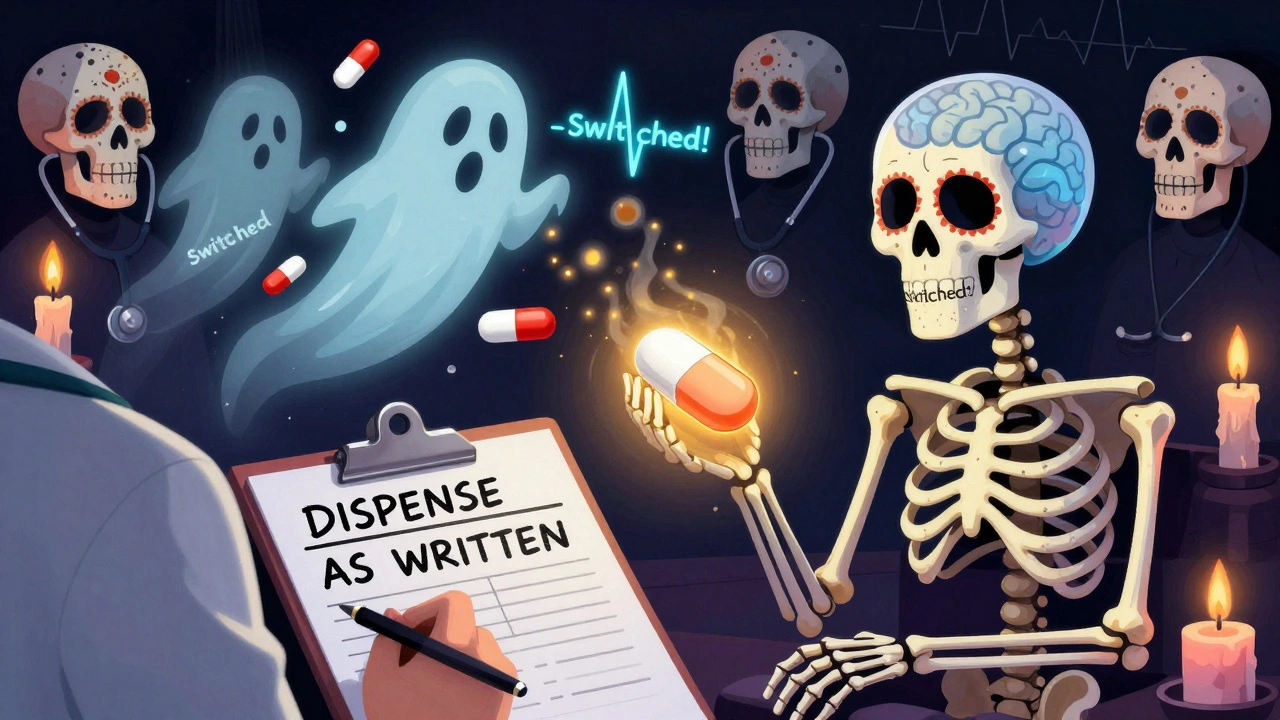
- Know your pharmacy’s substitution policy. Some states allow automatic substitution. Others require the prescriber to write "dispense as written" on the prescription. Use that option if you’re stable.
The Bigger Picture: Regulation and the Future
The FDA is slowly waking up. In 2022, they released draft guidance proposing product-specific bioequivalence standards for NTI drugs - meaning warfarin might have different rules than cyclosporine. That’s a step forward. They’ve also increased post-market monitoring. NTI generics, though only 5% of generic prescriptions, account for 18% of adverse event reports tied to generics.
Looking ahead, therapeutic drug monitoring (TDM) will become routine for NTI drugs. Industry analysts predict a 15-20% increase in TDM tests over the next five years. Pharmacogenomics - testing your genes to predict how you metabolize drugs - is also being studied. Soon, we might know not just what drug you’re on, but whether your body handles it differently than average.
For now, the message is clear: generics save money. But for NTI drugs, safety isn’t negotiable. The system was built on the assumption that all drugs behave the same. It doesn’t. And patients are paying the price - sometimes with their lives.
Are all generic NTI drugs the same?
No. Even though two generics are labeled "AB-rated," they can come from different manufacturers with different inactive ingredients, manufacturing processes, or release profiles. One study found active ingredient content varied from 86% to 120% across different generic versions of tacrolimus. Switching between generics can cause significant changes in blood levels - even if both are technically "equivalent."
Can I switch back to the brand if I have problems after a generic switch?
Yes. If you notice new symptoms - seizures, unusual bruising, fatigue, tremors, or mood changes - after switching to a generic, contact your doctor immediately. Many insurance plans allow exceptions for NTI drugs if there’s documented clinical instability. Your doctor can write "dispense as written" or request a brand override. Don’t wait to see if it gets better.
Why do some doctors refuse to switch patients on NTI drugs?
Because the evidence shows risk. For drugs like phenytoin and cyclosporine, even small changes in blood levels can lead to serious outcomes - seizures, organ rejection, toxicity. Many neurologists and transplant specialists have seen patients destabilize after a switch. They prioritize stability over cost savings. It’s not about distrust of generics; it’s about protecting patients from preventable harm.
Is it safe to switch from brand to generic warfarin?
It can be, but only with close monitoring. Studies show that about 40% of patients experience INR instability after switching. If you switch, get your INR checked within 3-5 days and again at 1 and 2 weeks. Don’t assume your dose stays the same. Even if your INR looks fine, your body may need time to adjust. Always inform your anticoagulation clinic about any formulation change.
What should I do if my pharmacy switches my NTI drug without telling me?
Check your prescription label carefully. If the name changed, call your pharmacy and ask why. You have the right to refuse the substitution. Ask your doctor to write "dispense as written" or "no substitution" on the prescription. If you’ve already taken the new version and feel unwell, contact your provider immediately. Don’t wait for symptoms to worsen.
Final Thoughts
Generic drugs are a vital part of affordable healthcare. But NTI drugs aren’t ordinary drugs. They demand precision. The current regulatory system treats them like everything else - and that’s the problem. Until bioequivalence standards catch up with the science, patients and providers must be proactive. Stay informed. Monitor closely. Speak up. Your safety isn’t something you should gamble on for a few dollars saved.