
When a medication has a Narrow Therapeutic Index, a small range between the effective dose and the toxic dose. Also known as NTI drugs, these medications demand precision—too little won’t work, too much can land you in the hospital. Think of it like walking a tightrope: one wrong step and things go bad fast. This isn’t theoretical. People have died from slight overdoses of NTI drugs like warfarin, digoxin, and lithium because even a 10% change in dose can trigger dangerous side effects.
NTI drugs aren’t rare. They’re used to treat serious conditions like seizures (phenytoin), heart rhythm problems (digoxin), blood clots (warfarin), and mood disorders (lithium). These drugs don’t have much room for error, and their effects can be influenced by things you might not expect—your diet, other medications, even your liver or kidney function. For example, switching from one generic version of phenytoin to another—even if both are labeled the same—can cause seizure breakthroughs because of tiny differences in how the body absorbs them. That’s why pharmacists and doctors track these drugs closely, often ordering blood tests to make sure levels stay in the safe zone.
What makes NTI drugs even trickier is how they interact with other meds. If you’re on warfarin and start taking an antibiotic like ciprofloxacin, your blood thinning can spike suddenly. Or if you’re on lithium and begin a diuretic, your lithium levels can climb to toxic levels without warning. These aren’t just theoretical risks—they’re documented in real cases. That’s why the FDA and medical guidelines treat NTI drugs differently: they require stricter monitoring, clearer labeling, and often, more frequent check-ins with your provider.
Many patients don’t realize they’re taking an NTI drug. Your doctor might not explain it unless you ask. But if you’re on one of these meds, you need to know: don’t switch brands without talking to your pharmacist, never adjust your dose on your own, and always tell every new provider you’re on an NTI drug. The good news? With careful management, these drugs can be life-saving. The key is awareness, consistency, and communication. Below, you’ll find real patient-focused guides that break down how to handle these medications safely, spot dangerous interactions, and avoid common mistakes that put you at risk.
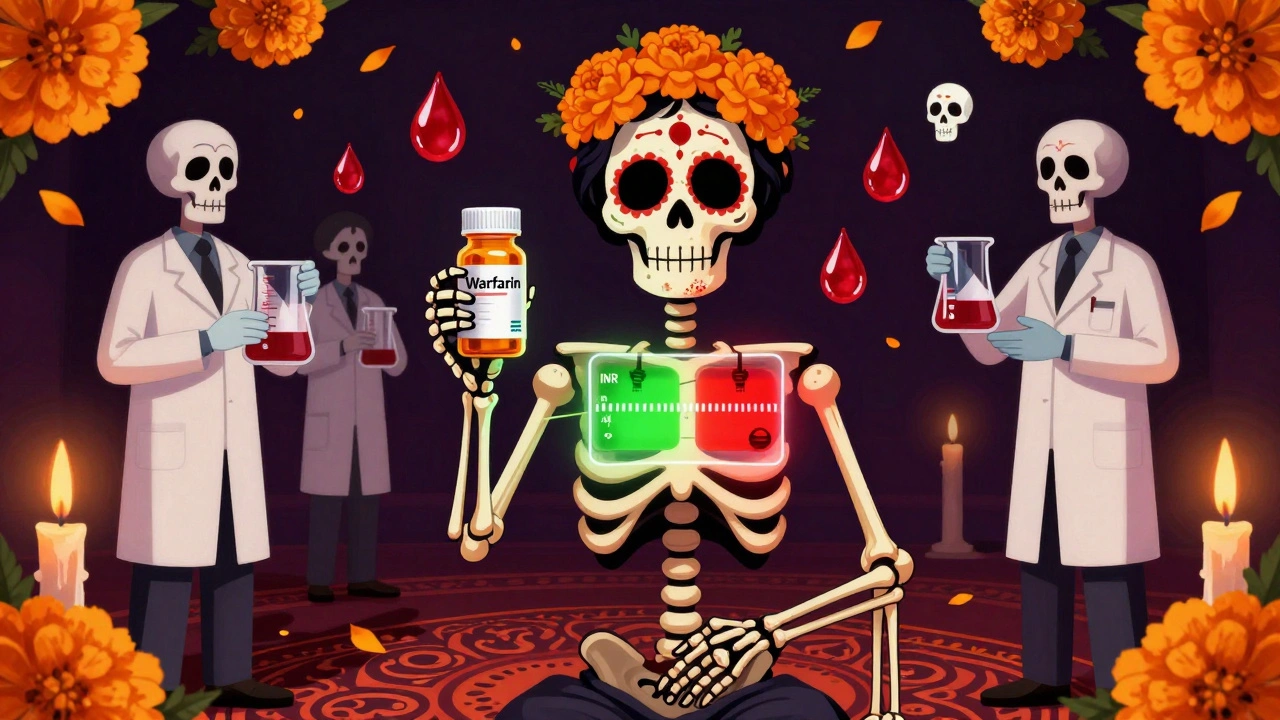
Studies show that switching generic versions of narrow therapeutic index (NTI) drugs like warfarin, phenytoin, and cyclosporine can lead to dangerous fluctuations in drug levels. Learn what the evidence says and how to protect yourself.

Otosclerosis is a common cause of hearing loss in adults under 50, caused by abnormal bone growth around the stapes. It leads to progressive conductive hearing loss, especially in low tones, but can be effectively treated with hearing aids or surgery.

Imagery Rehearsal Therapy (IRT) is the most effective non-drug treatment for PTSD-related nightmares. Learn how rewriting your nightmares before sleep can break the cycle of trauma, improve sleep, and reduce PTSD symptoms-backed by clinical research.

Explore how antioxidant supplements can reduce oxidative stress, ease pain, and support standard therapy for chronic pancreatitis, with dosing tips and safety advice.

Curious about mixing spironolactone and alcohol in 2024? This article breaks down new clinical research on hormone levels and liver effects when the two are combined. Packed with facts, stats, and relatable situations, you'll find smart tips and an honest look at what doctors and studies really say. Readers will understand potential risks, latest findings, and safer habits for daily life—all in plain language.
Studies show that switching generic versions of narrow therapeutic index (NTI) drugs like warfarin, phenytoin, and cyclosporine can lead to dangerous fluctuations in drug levels. Learn what the evidence says and how to protect yourself.