
When you take warfarin, a prescription anticoagulant used to prevent dangerous blood clots. Also known as Coumadin, it works by slowing down your body’s ability to form clots—critical for people with atrial fibrillation, artificial heart valves, or a history of deep vein thrombosis. But warfarin isn’t like most pills. One wrong food, supplement, or even a new cold medicine can throw your whole system off balance. That’s why so many patients on warfarin end up in the ER—not because the drug failed, but because something else changed how their body handled it.
Warfarin’s effect is measured by a blood test called INR, the International Normalized Ratio, which tracks how long it takes your blood to clot. Doctors aim to keep your INR in a narrow range—usually between 2 and 3. Too low, and you’re at risk for a stroke or clot. Too high, and you could bleed internally without warning. That’s why regular testing isn’t optional—it’s life-saving. And it’s not just about the dose. vitamin K, a nutrient found in leafy greens like spinach and kale directly fights warfarin’s effect. Eat more greens one week, and your INR drops. Eat less the next, and it spikes. No one tells you this until you’re already on the drug, but it’s the #1 reason people struggle with warfarin.
Drug interactions are another silent killer. Antibiotics like ciprofloxacin, painkillers like ibuprofen, even some herbal supplements like garlic or ginkgo can turn warfarin from a helper into a hazard. Your pharmacist isn’t just filling your script—they’re your last line of defense. Many patients don’t realize their pharmacy offers free medication reviews. Ask for one. It could save your life. And while newer blood thinners like apixaban or rivaroxaban exist, warfarin is still widely used because it’s cheap, effective, and works for people with mechanical heart valves—where the newer drugs don’t.
You’ll find posts here that explain exactly how warfarin interacts with other meds, why your diet matters more than you think, how to read your INR results, and what to do when things go wrong. No fluff. No jargon. Just what you need to stay safe, avoid hospital visits, and take control of your treatment. Whether you’ve been on warfarin for years or just started, this collection gives you the real-world tools to manage it right.
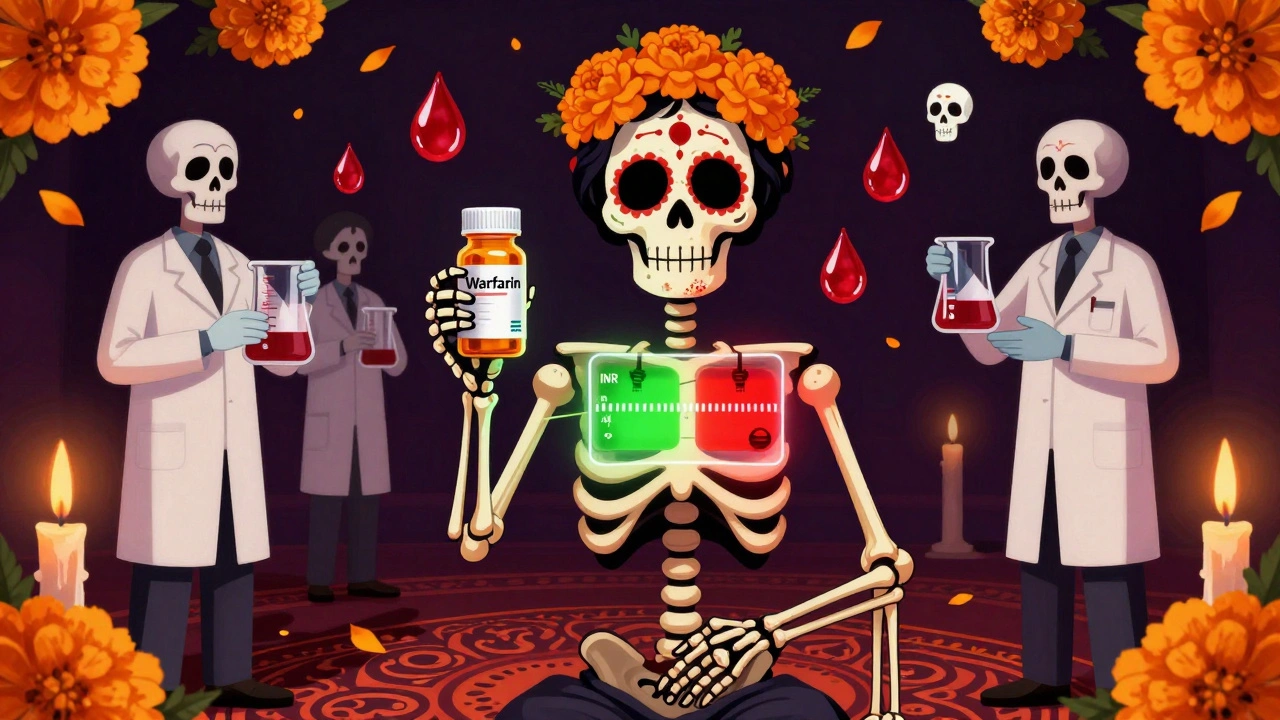
Studies show that switching generic versions of narrow therapeutic index (NTI) drugs like warfarin, phenytoin, and cyclosporine can lead to dangerous fluctuations in drug levels. Learn what the evidence says and how to protect yourself.

Earwax impaction occurs when earwax builds up in the ear canal, causing symptoms like hearing loss and earaches. Learn about safe removal methods, risks of home attempts, and when to see a doctor. Professional care is safer than DIY solutions. Avoid dangerous practices like ear candling.

Thyroid storm is a rare but deadly complication of untreated hyperthyroidism, requiring urgent ICU care. Learn the signs, triggers, and life-saving treatments that can turn the tide in this endocrine emergency.
Using two patient identifiers in the pharmacy prevents deadly medication errors by ensuring the right person gets the right drug. Learn how barcode systems, documentation, and disciplined verification save lives.

Alcohol and prescription drugs can interact dangerously, causing overdose, liver damage, or death. Learn which meds are most risky, who's most vulnerable, and how to stay safe.

Hey folks! It's a roller coaster of a day when we're talking about leprosy elimination, isn't it? You might think it's all doctors and medicine, but surprise, surprise - it's also about us! Yep, our involvement in these efforts is like the secret sauce on a killer burger. Community efforts can aid in early detection, help reduce stigma, and even support those affected in their journey to recovery. So, let's roll up our sleeves and join the fight against leprosy, because together, we're more than just a force, we're a downright stampede!