
When you pick up a generic pill, you want to know it does the same job as the brand-name version. That’s where bioequivalence, the scientific standard that proves two drugs deliver the same active ingredient at the same rate and amount in the body. Also known as therapeutic equivalence, it’s the reason your pharmacist can swap your brand-name blood pressure pill for a cheaper version without your doctor needing to rewrite the prescription. This isn’t guesswork—it’s measured in real human studies, tracking how fast and how much of the drug enters your bloodstream. If the numbers match within strict limits, the FDA says they’re bioequivalent. No tricks. No compromises.
But bioequivalence isn’t just about the active ingredient. It also means the drug behaves the same way in your body. That’s why generic drugs, medications that contain the same active ingredient as brand-name versions but are sold under their chemical name can be trusted for chronic conditions like diabetes, high blood pressure, or depression. You’re not getting a weaker version—you’re getting the same medicine, just without the marketing costs. And because multiple companies can make the same generic, competition drives prices down—sometimes by 80% or more. That’s why generic vs brand, the comparison between name-brand medications and their chemically identical generic counterparts isn’t about quality—it’s about cost and access.
Still, not all generics are created equal in people’s minds. Some worry about inactive ingredients—fillers, dyes, or coatings—that differ between brands. While those don’t affect how the drug works, they can trigger allergies or sensitivities in rare cases. That’s why knowing your own body matters. If you’ve had a reaction to one generic, tell your pharmacist. They can check the manufacturer and switch you to another version that’s still bioequivalent but uses different fillers. And if you’re switching from a brand to a generic—or between two generics—your body should adapt without a hitch. Bioequivalence means your blood levels stay steady. No spikes. No drops. Just consistent results.
What you’ll find below are real stories and clear explanations about how this system works in practice. From how authorized generics cut costs even further, to why some patients notice differences when switching, to how the FDA monitors these drugs to keep you safe. You’ll learn how to spot when a generic is truly equivalent, how to talk to your pharmacist about it, and why choosing generics doesn’t mean choosing less care. It’s not about saving money at the expense of safety. It’s about safety through smart, science-backed choices.

Learn why generic medications change appearance and when switching between different manufacturers can be risky for your health, especially with NTI drugs.
Explore the detailed process of how generic drugs are manufactured, from reverse engineering brand names to the ANDA approval pathway and bioequivalence testing.

Clinical evidence shows generic drugs are just as safe and effective as brand-name drugs for most people. Learn when generics work, when to be cautious, and what to do if you notice a difference after switching.
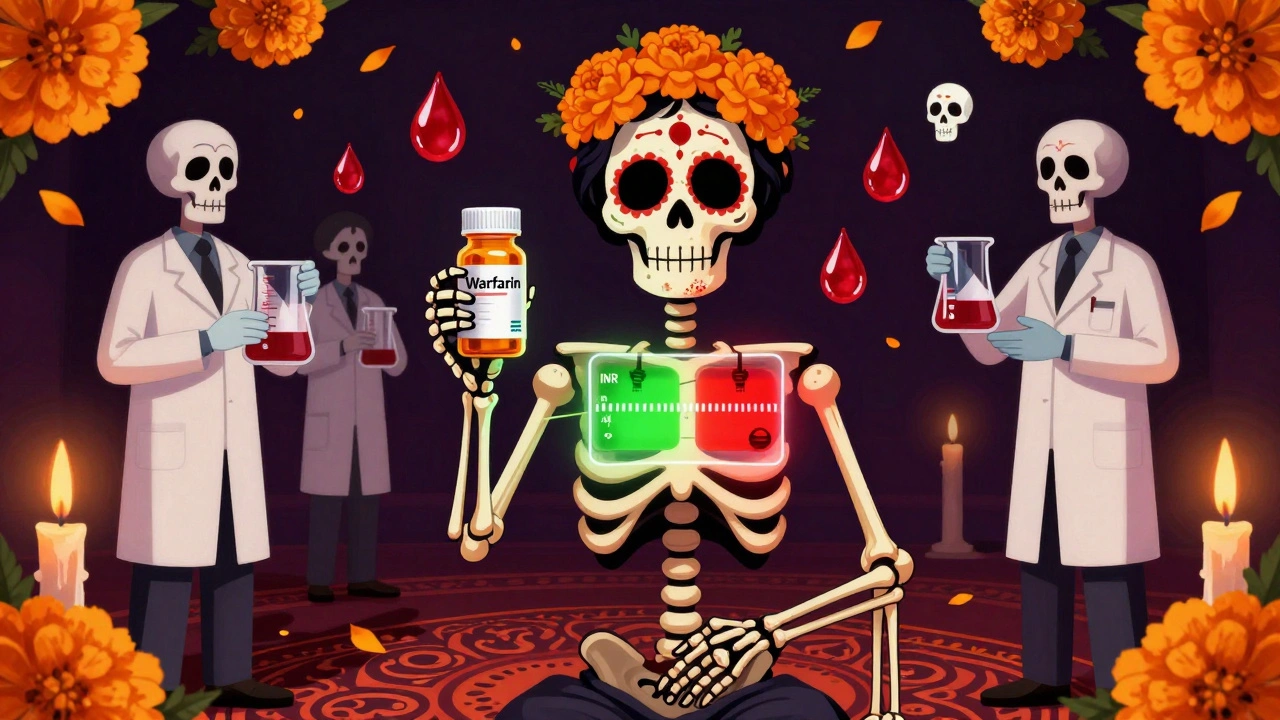
Studies show that switching generic versions of narrow therapeutic index (NTI) drugs like warfarin, phenytoin, and cyclosporine can lead to dangerous fluctuations in drug levels. Learn what the evidence says and how to protect yourself.
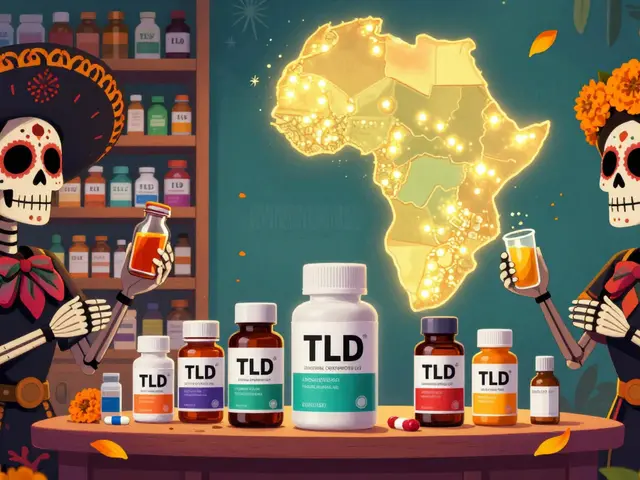
African-made antiretroviral generics are transforming HIV treatment access, with the first WHO-prequalified African-produced TLD drug delivered in 2025. Local production cuts costs, strengthens supply chains, and empowers health sovereignty.

Cut through the confusion of online Tofranil shopping. Here’s what you really need to know to buy antidepressants online, stay safe, and avoid scams.

TNF inhibitors have transformed ankylosing spondylitis treatment by targeting the root cause of spine inflammation. Learn how these biologics reduce pain, improve mobility, and slow disease progression - and which patients benefit most.
Anxiety disorders affect nearly 1 in 5 adults and include types like GAD, panic disorder, and social anxiety. Evidence-based treatments like CBT and SSRIs are highly effective, with new options like digital apps and zuranolone emerging in 2023.

Many patients skip or forget medications due to complex schedules, high costs, poor communication, and forgetfulness-not laziness. Learn the real reasons behind nonadherence and what actually works to fix it.