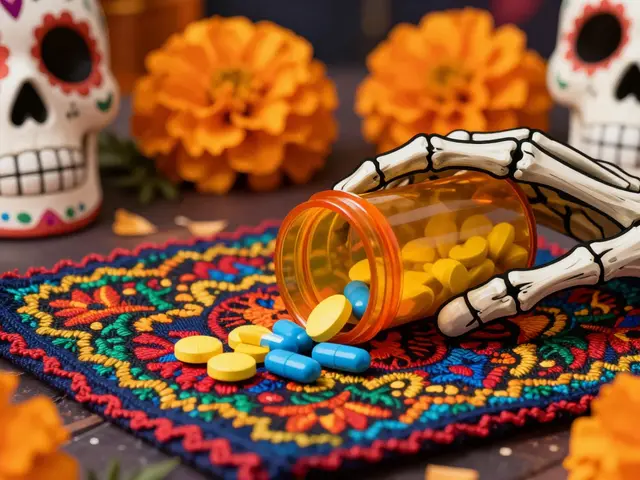
You pick up your monthly prescription, open the bottle, and realize the pills look completely different. They might be a different color, shape, or size than the ones you took last month. You check the label and see the drug name is the same, but the manufacturer has changed. This is a common scenario in today's healthcare system, where switching between different generics happens frequently and often without your knowledge.
For most people, this change is harmless. However, for those taking specific high-stakes medications, a change in who makes the pill can lead to real health complications. Understanding why this happens and which drugs require caution is the key to managing your health safely.
The Reality of Generic Switching
When a brand-name drug's patent expires, other companies can create generic versions. These Generic Drugs are medications created to be the same as an already marketed brand-name drug in dosage form, strength, route of administration, quality, and performance characteristics. Because multiple companies compete, your pharmacy might switch manufacturers based on which one is cheapest or most available that month.
This switching is driven by several factors. Insurance companies often mandate the lowest-cost option, and pharmacies deal with frequent drug shortages. According to data from the Association for Accessible Medicines, generic drugs now make up over 90% of prescriptions filled in the U.S., yet they only account for about 26% of total spending. This massive cost saving is why the system leans so heavily on generics.
Why Not All Generics Are Identical
A common misconception is that every generic version of a drug is a perfect clone. In reality, the FDA (U.S. Food and Drug Administration) uses a standard called bioequivalence to approve generics. To be considered bioequivalent, a generic must deliver between 80% and 125% of the active ingredient concentration compared to the brand-name drug.
While that sounds like a small window, it creates a potential gap. If you switch from a generic that is at the bottom of that range (80%) to one at the top (125%), you could experience a 45% difference in how much of the drug actually hits your system. For a blood pressure pill, this might not matter. For a medication that controls seizures or organ transplant rejection, it can be a disaster.
| Drug Category | Sensitivity to Switching | Common Examples | Risk Level |
|---|---|---|---|
| Standard Generics | Low | Statins, Antibiotics, Lisinopril | Low |
| Narrow Therapeutic Index (NTI) | High | Warfarin, Levothyroxine, Tacrolimus | High |
| Antiepileptics | Very High | Phenytoin, Carbamazepine | Critical |
The Danger Zone: Narrow Therapeutic Index (NTI) Drugs
Some medications have what is called a Narrow Therapeutic Index, or a range where a small increase or decrease in the drug's dose or blood concentration can lead to serious therapeutic failure or toxicity. When you are dealing with NTI drugs, the "80% to 125%" rule is too loose.
Take Levothyroxine, used for thyroid issues. Because it has a complex pharmacokinetic profile, a tiny shift in concentration can send your TSH levels out of range, leaving you feeling exhausted or anxious. Similarly, Warfarin requires precise blood clotting levels. Changing manufacturers can lead to INR variations, which might either increase your risk of a blood clot or lead to dangerous internal bleeding.
Patients using antiepileptic drugs show some of the highest "switch-back" rates. Data indicates that between 20.8% and 44.1% of people who switch generic seizure medications end up going back to their original version because they experience breakthrough seizures or a drop in blood drug levels.
Practical Problems Beyond the Chemistry
It isn't just about the molecules. There is a significant psychological and practical component to switching generics. Many patients identify their medications by their physical appearance-color, shape, or imprint. When a pharmacy switches to a different manufacturer, the pill looks different. This leads to two main problems:
- Medication Confusion: Roughly 67% of patients rely on the "trademark" look of a pill to know what it is. When that changes, they may accidentally take the wrong dose or skip a dose because they don't recognize the medicine.
- Duplication Errors: About 11.5% of patients have been known to accidentally double-dose because they didn't realize the new pill was the same medication as the old one.
This is compounded by the fact that 62% of physicians are often unaware that a manufacturer change has occurred until the patient reports a problem. The pharmacy makes the switch for cost reasons, but the doctor is left wondering why a previously stable patient is suddenly symptomatic.
How to Manage Your Generic Switches Safely
If you are taking a standard medication like a statin or a common antibiotic, switching generics is usually a non-event. But if you are on a high-risk medication, you need a more proactive strategy.
First, ask your pharmacist for a "lock-in" or a specific manufacturer request. While not all insurance companies allow this, some pharmacies can designate a specific manufacturer for the duration of your therapy to ensure consistency. If you notice your pills change appearance, call your doctor immediately rather than waiting for your next scheduled appointment.
For those on NTI drugs, therapeutic drug monitoring is non-negotiable. If you switch from one generic manufacturer to another, you should plan for 1-2 additional blood tests within the first few weeks. For example, if you start a new generic version of warfarin, you'll need more frequent INR testing to ensure your blood is clotting correctly at the new concentration.
Are all generic drugs the same as the brand name?
While they have the same active ingredient, they are not identical clones. They are "bioequivalent," meaning they work the same way in the body within a specific range (80%-125%). Inactive ingredients, like fillers and dyes, can also vary between manufacturers, which may affect some patients.
Why did my medication change color or shape?
This happens because your pharmacy switched to a different generic manufacturer. Different companies use different dyes, shapes, and fillers. As long as the active ingredient and dose are the same, this is common practice, though it can be confusing for the patient.
Which medications are most dangerous to switch?
Medications with a Narrow Therapeutic Index (NTI) are the most risky. This includes thyroid medications (Levothyroxine), blood thinners (Warfarin), anti-seizure drugs, and immunosuppressants (Tacrolimus). Small changes in these can cause significant health swings.
Can I tell my pharmacist I want the same manufacturer every time?
Yes, you can request a specific manufacturer. However, be aware that your insurance may not cover the cost if that specific manufacturer is more expensive than the others, or the pharmacy may run out of stock. It is best to discuss this with your doctor so they can note it on the prescription.
What should I do if I feel different after a generic switch?
Contact your healthcare provider immediately. Note the name of the new manufacturer (found on the prescription bottle) and describe your symptoms. If you are on an NTI drug, ask for a blood test to check if your drug levels have shifted.
Next Steps and Troubleshooting
Depending on your situation, your approach to generic switching should differ:
- For the average patient: Keep a list of your medications and their current appearance. If the pill changes, just double-check the label to ensure it's still the correct dose.
- For NTI drug users: Coordinate with your doctor to establish a "baseline" blood level. If a switch occurs, schedule a follow-up test 7-14 days after the first new dose.
- For caregivers: Be extra vigilant about pill appearance. Since caregivers often manage multiple medications for a patient, a change in generic manufacturer is a high-risk moment for dosing errors.