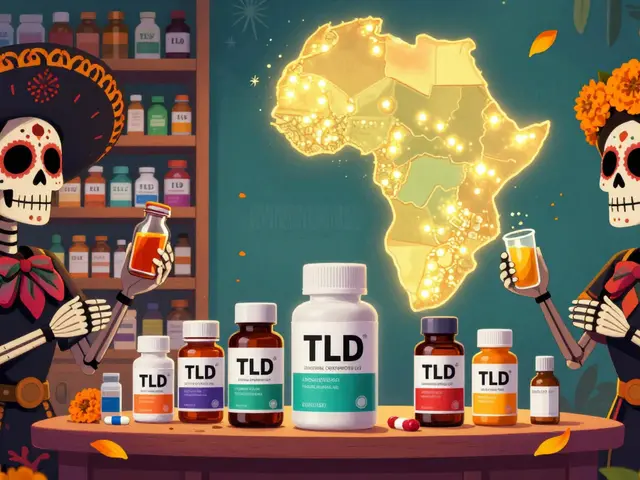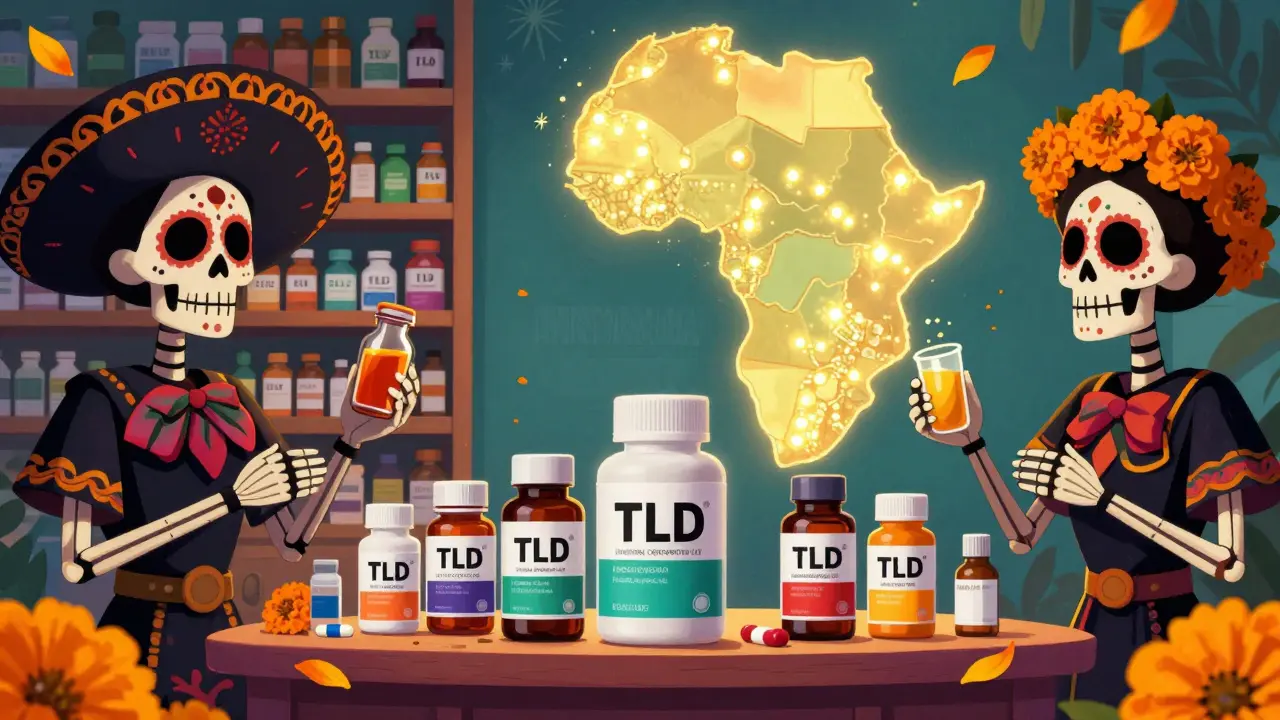
For decades, Africa relied on medicines made halfway across the world to fight HIV. Countries spent millions importing antiretroviral drugs from India and Europe, often waiting months for shipments to arrive. When supply chains broke down - during pandemics, conflicts, or shipping delays - people stopped getting their pills. And when they did, the cost was still too high for many. But something changed in 2025. For the first time ever, the Global Fund is buying HIV treatment pills made in Africa. This isn’t just a new supplier. It’s a turning point.
Why African-Made HIV Pills Matter
Sub-Saharan Africa carries 65% of the world’s HIV cases. Yet, it produces less than 3% of its own medicines. That gap isn’t just inconvenient - it’s deadly. When a country depends on imports, it’s at the mercy of global prices, shipping routes, and political decisions beyond its control. During COVID-19, many African nations couldn’t get basic supplies. HIV treatment was no exception.
The solution? Make the medicine right here. On May 6, 2025, the Global Fund delivered the first African-made first-line HIV treatment to Mozambique. The drug? TLD - a combination of tenofovir, lamivudine, and dolutegravir. It’s the current gold standard for HIV treatment: more effective, fewer side effects, and harder for the virus to resist. And it’s made by Universal Corporation Ltd, a Kenyan company that became the first African manufacturer to earn WHO prequalification for this drug in 2023.
This isn’t charity. It’s strategy. WHO prequalification means the drug meets the same strict quality, safety, and effectiveness standards as those from the U.S. or EU. It’s not just about making pills. It’s about proving African manufacturers can compete on the world’s toughest stage.
From $10,000 to $100 - Then Back to Africa
Remember when HIV treatment cost $10,000 per person per year? That was in 2000. Thanks to Indian generic manufacturers, that price dropped below $100 by 2015. It was a huge win. But it created a new problem: Africa became dependent on a single source. When India faced export restrictions or production issues, supply chains snapped.
Now, African manufacturers are stepping in. Universal Corporation’s TLD is priced competitively - likely under $30 per patient per year. That’s not just cheaper than imports. It’s a model. When African companies make the drugs, profits stay in Africa. Jobs are created. Supply chains shorten. And countries gain control over their own health.
The Global Fund isn’t just buying pills - it’s buying stability. By committing to regular purchases from African producers, it gives manufacturers the confidence to invest in more factories, hire more workers, and upgrade their labs. This is called market-shaping. It’s not about giving money away. It’s about creating a real, lasting market.
Beyond Pills: Testing, Injectables, and New Technologies
HIV care isn’t just about pills. You need to know you’re infected. You need to know if the treatment is working. And now, you need options beyond daily pills.
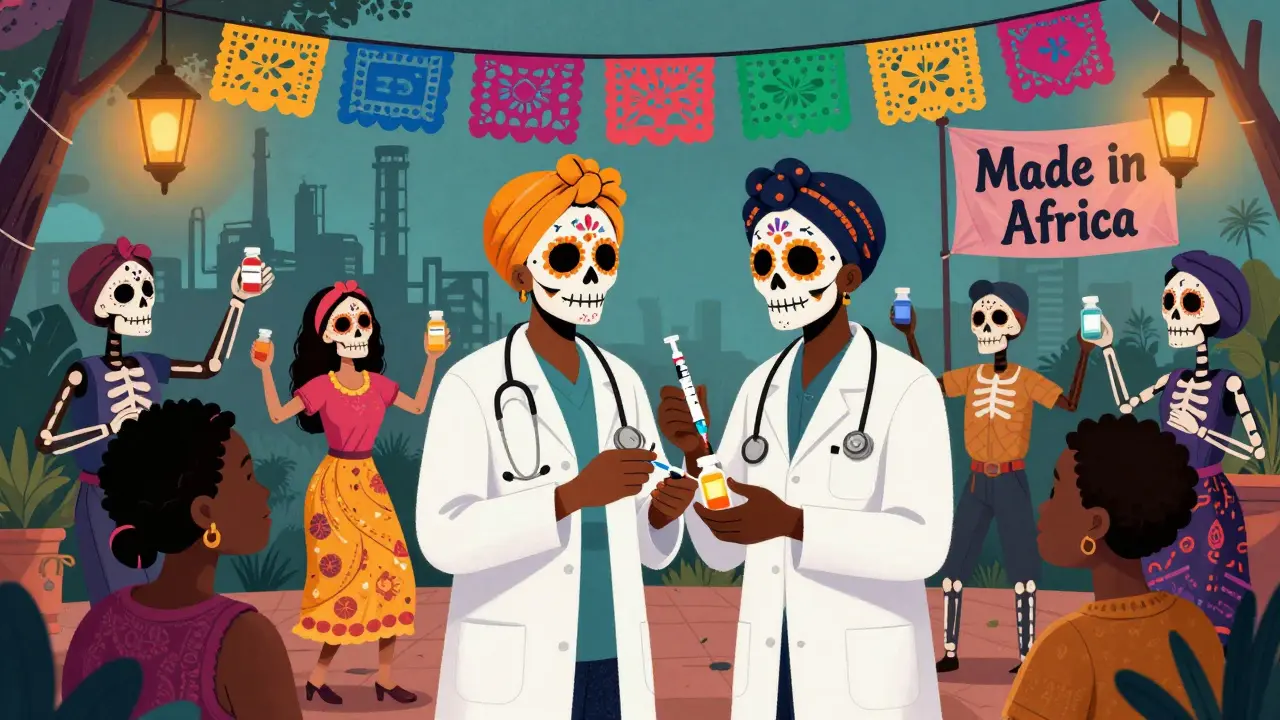
In Nigeria, Codix Bio is now manufacturing HIV rapid diagnostic tests (RDTs) under a license from SD Biosensor. This wasn’t just handed to them. They got the tech, the training, and the support from WHO’s Health Technology Access Programme. Now, clinics across West Africa can test for HIV faster, cheaper, and without waiting on imports.
And then there’s the injectable. In October 2025, South Africa became the first African country to register the twice-yearly HIV injection: cabotegravir long-acting (CAB LA). No more daily pills. Just two shots a year. Gilead Sciences gave licenses to six African manufacturers to produce generic versions. Experts say prices could drop 80-90% below brand-name costs once production scales up.
Even more promising? Lenacapavir, a new long-acting drug for prevention (PrEP). Gilead has signed agreements with the U.S. State Department and the Global Fund to supply it at no profit until generics arrive. By the end of 2025, it’ll be available in 18 high-burden African countries. By 2026, it’ll be widely accessible. This isn’t science fiction. It’s happening now.
Who’s Behind the Push?
This isn’t happening by accident. It’s the result of coordinated effort:
- The Global Fund is buying African-made ARVs - and committing to long-term contracts.
- The World Health Organization is helping factories meet international standards through prequalification and technical support.
- Unitaid, the Bill & Melinda Gates Foundation, and the Children’s Investment Fund Foundation (CIFF) are funding new production lines.
- Gilead Sciences is giving away patents to let African companies make life-saving drugs without legal barriers.
Mozambique’s Health Minister, Dr. Ussene Hilário Isse, put it plainly: "Africa’s growing capacity to locally produce lifesaving medications marks a strategic shift for our continent."
And it’s working. In 2023, Eastern and Southern Africa hit 93% of people knowing their HIV status, 83% on treatment, and 78% with suppressed virus. That’s progress. But Western and Central Africa lagged: 81%-76%-70%. Local production could close that gap.
The Road Ahead: Challenges and Real Numbers
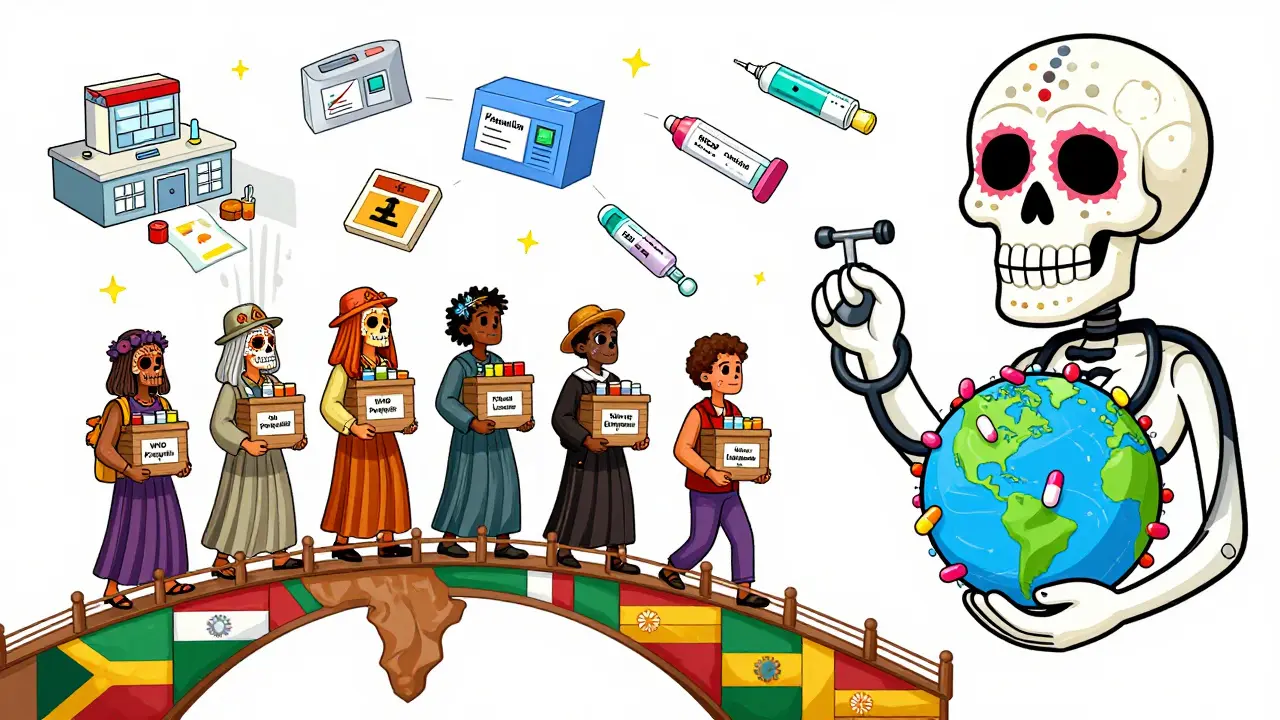
Let’s be clear: we’re not there yet. Africa needs about 15 million person-years of first-line ARV treatment every year. Right now, African manufacturers can supply maybe 10% of that. Universal Corporation’s factory in Kenya treats 72,000 people annually. That’s huge. But it’s still a drop in the ocean.
More factories are coming. New facilities in South Africa, Nigeria, and Ethiopia are set to open by late 2025. The African Union’s Pharmaceutical Manufacturing Plan for Africa (PMPA) wants local production to jump from 2-3% to 40% by 2040. That’s ambitious. But it’s possible - if investment keeps flowing.
One big hurdle? Regulatory chaos. Every country has its own rules. A drug approved in Kenya might still need retesting in Uganda. Harmonizing standards across 54 nations is slow. But progress is being made. South Africa’s rapid registration of CAB LA showed what’s possible when regulators work closely with manufacturers.
Another challenge? Funding. African governments can’t pay for all this alone. International partners must keep their promises. The Global Fund’s next grant cycle (GC7) will determine how many countries can access these new African-made drugs. The stakes? Millions of lives.
What This Means for the Future
This isn’t just about HIV. It’s about health sovereignty. When a country can make its own medicines, it doesn’t wait for someone else to decide if it gets help. It controls its own future.
By 2030, African-made ARVs could supply 20-30% of the continent’s needs. That’s not a dream. It’s a projection based on current momentum. And it’s only the beginning. The same factories making HIV drugs can start making malaria pills, TB treatments, or diabetes meds. The labs testing for HIV can test for hepatitis or COVID. The supply chains built for ARVs can carry vaccines.
For the first time, Africa isn’t just a patient. It’s a producer. A partner. A leader.
Are African-made HIV drugs safe and effective?
Yes. The first African-made HIV drug, TLD, received WHO prequalification in 2023. This means it meets the same strict standards as drugs from the U.S., EU, or India. WHO inspections, lab testing, and clinical data all confirm it works as well as imported versions. The Global Fund only buys prequalified drugs - no exceptions.
How much cheaper are African-made ARVs than imports?
African-made TLD is priced under $30 per patient per year. Before this, many African countries paid $40-$50 per year for imported versions. Indian generics had brought prices down to under $100 in 2015, but African production is now undercutting even those prices. The goal is to reach $20 or less as more manufacturers enter the market.
Why didn’t Africa make its own HIV drugs earlier?
For years, the focus was on importing cheap generics from India. There was little investment in African manufacturing. Regulatory systems were weak. Intellectual property rules blocked local production. And funding didn’t prioritize building factories. That changed after the pandemic exposed how dangerous dependence on imports can be. Now, global partners are actively funding and training African manufacturers.
Can African manufacturers make long-acting HIV treatments too?
Yes. Gilead Sciences has granted licenses to six African manufacturers to produce generic versions of the twice-yearly injectable, cabotegravir long-acting (CAB LA). South Africa is already registering it, and production is expected to begin in 2026. This means African countries won’t have to wait for imports - they’ll make these advanced treatments themselves.
What’s stopping faster progress?
Three things: scale, funding, and regulation. There are still too few factories. Investment needs to keep growing. And every country has different rules - making it hard to distribute drugs across borders. Harmonizing regulations across Africa is critical. Without it, even good drugs get stuck at borders.
By 2030, the goal is clear: no African person living with HIV should wait for medicine that’s made elsewhere. The tools are here. The will is growing. And for the first time, the pills are coming from within.