
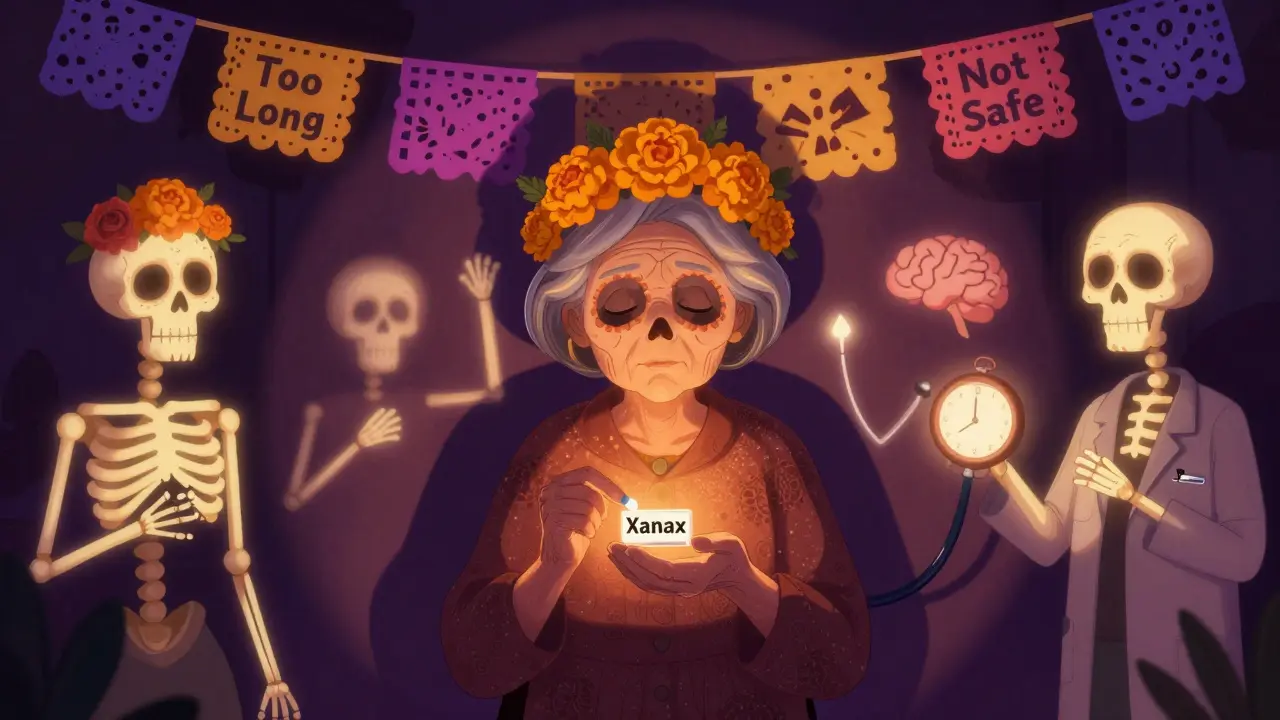
Benzodiazepines pose serious risks for seniors including falls, memory loss, and dementia. Safer alternatives like CBT-I, SSRIs, and ramelteon offer effective, long-term relief without the dangers. Learn why experts now recommend avoiding these drugs and how to transition safely.

PCI and CABG are two proven treatments for blocked heart arteries. Learn how doctors decide which one is right for you based on diabetes, blockage complexity, and long-term outcomes.
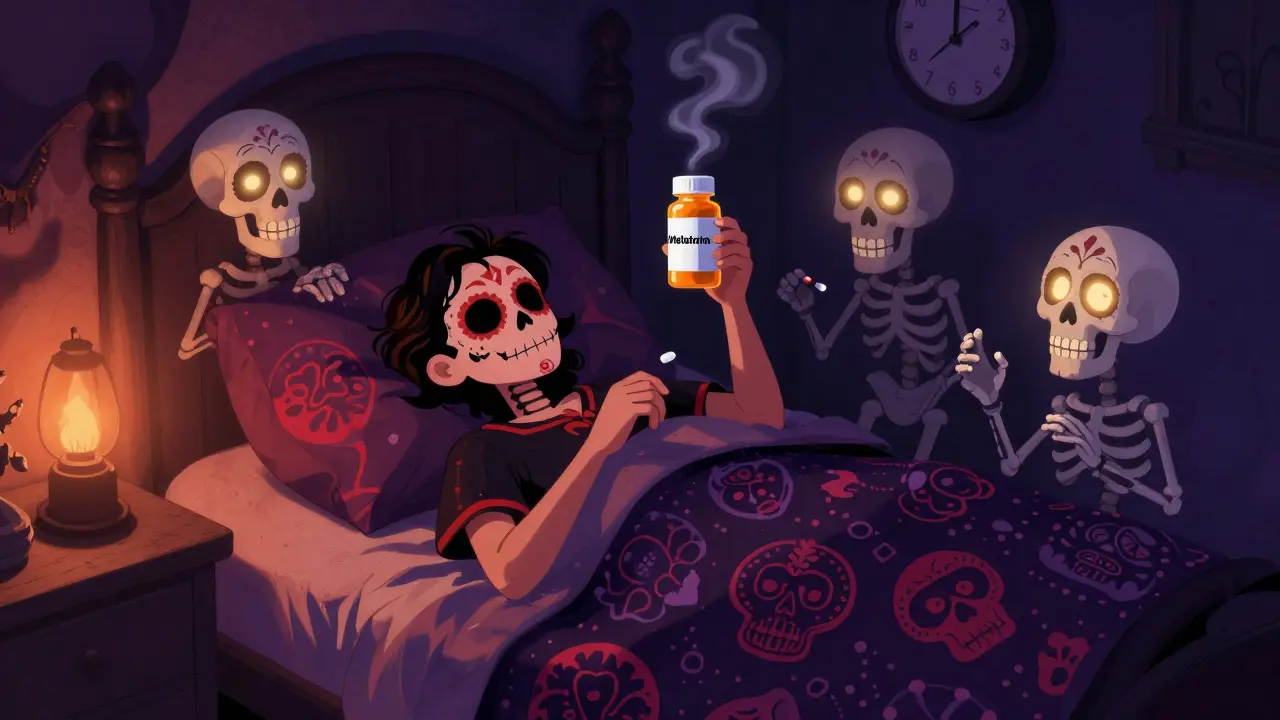
OTC sleep aids like diphenhydramine and melatonin offer minimal sleep benefits but carry serious risks including dementia, falls, and rebound insomnia. Learn safe limits and better alternatives.
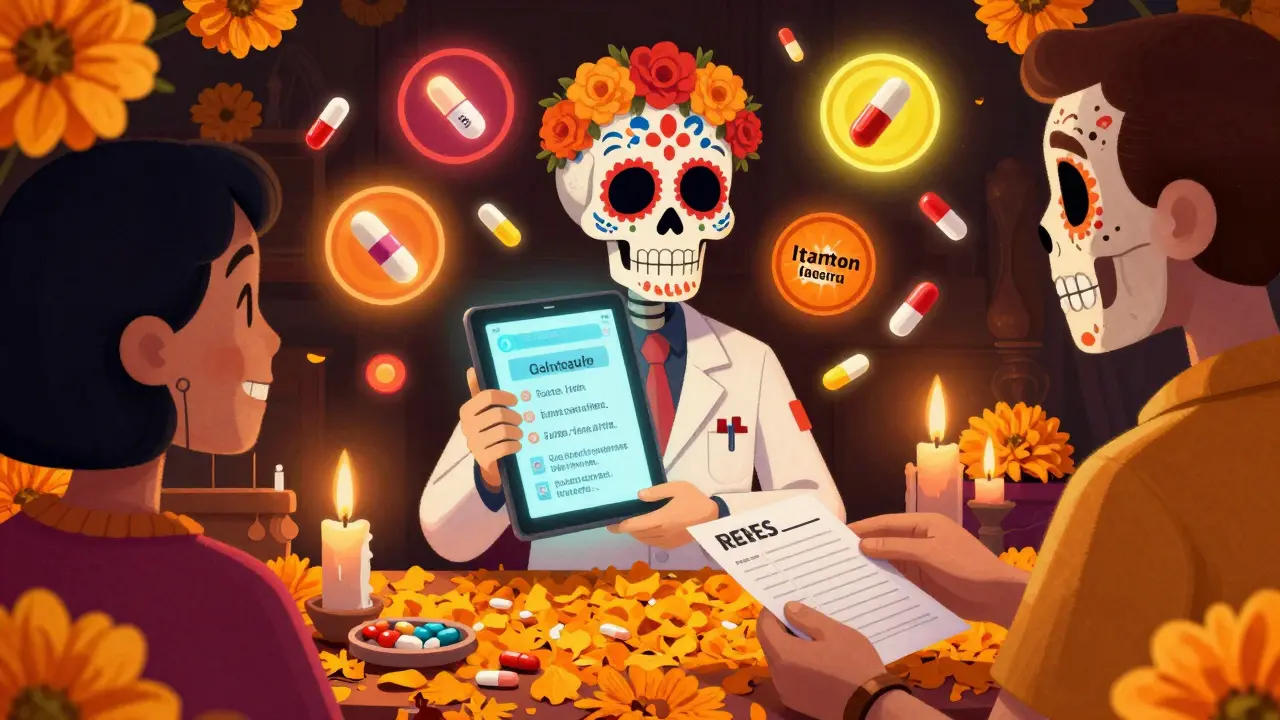
Digital tools can help you avoid dangerous interactions between generic drugs, but not all apps are equal. Learn which ones actually work, what they miss, and how to stay safe when buying meds online.
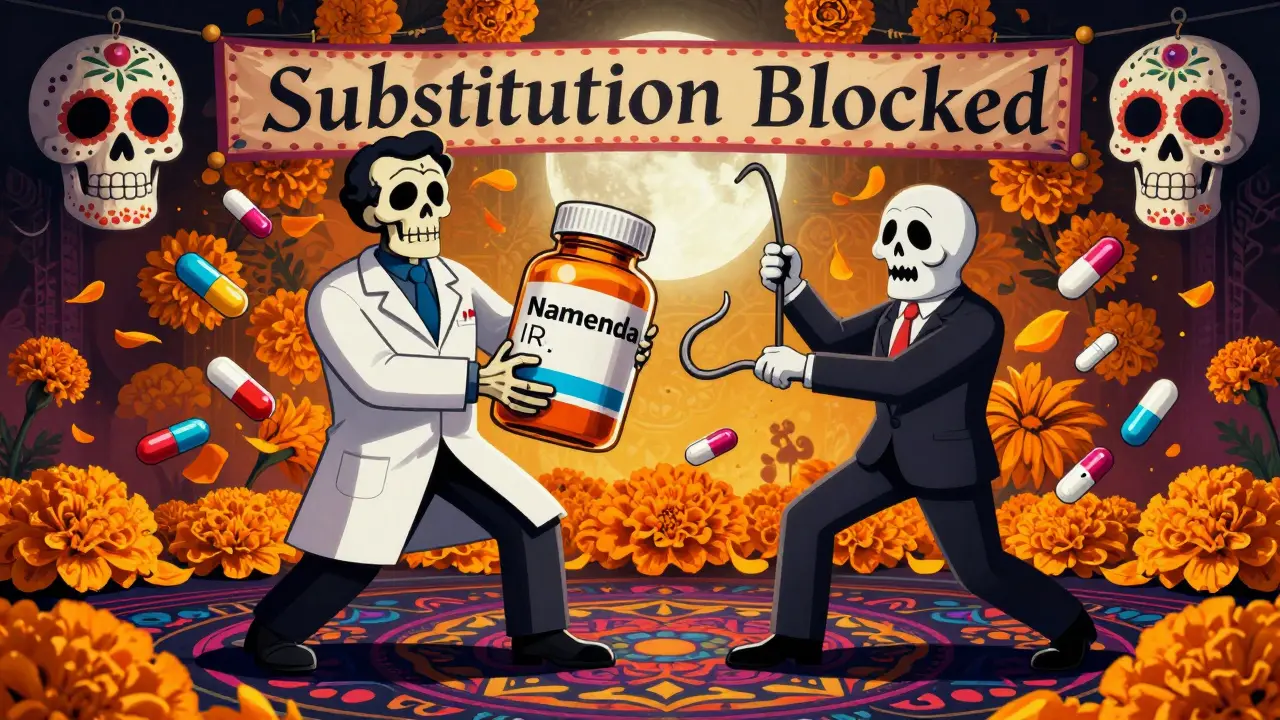
Big pharma uses legal tricks like product hopping and REMS abuse to block cheaper generics. These tactics cost patients billions and undermine state substitution laws designed to save money.
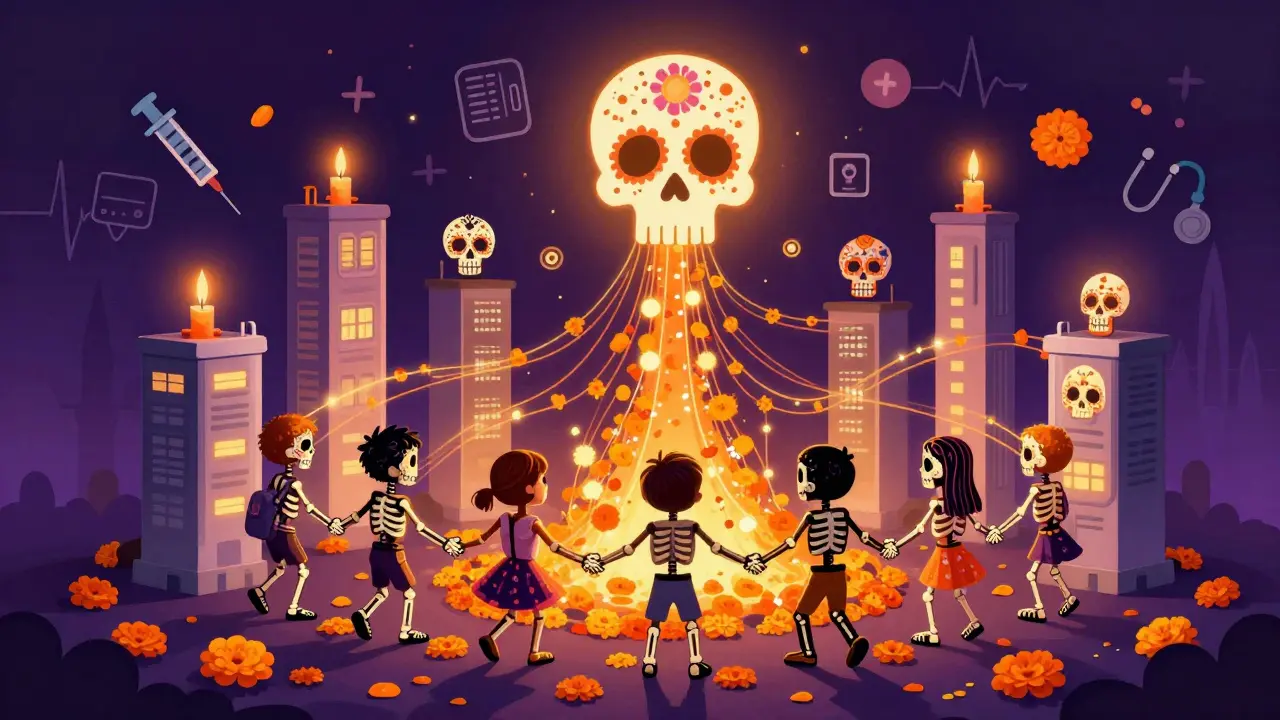
Pediatric safety networks bring together hospitals and communities to track side effects in children more effectively than ever before. These collaborative systems catch rare reactions, improve treatments, and prevent harm before it spreads.

Carpal tunnel syndrome is a common nerve compression disorder causing numbness and weakness in the hand. Early treatment with splints, exercises, or injections can prevent permanent damage-and surgery is highly effective when needed.
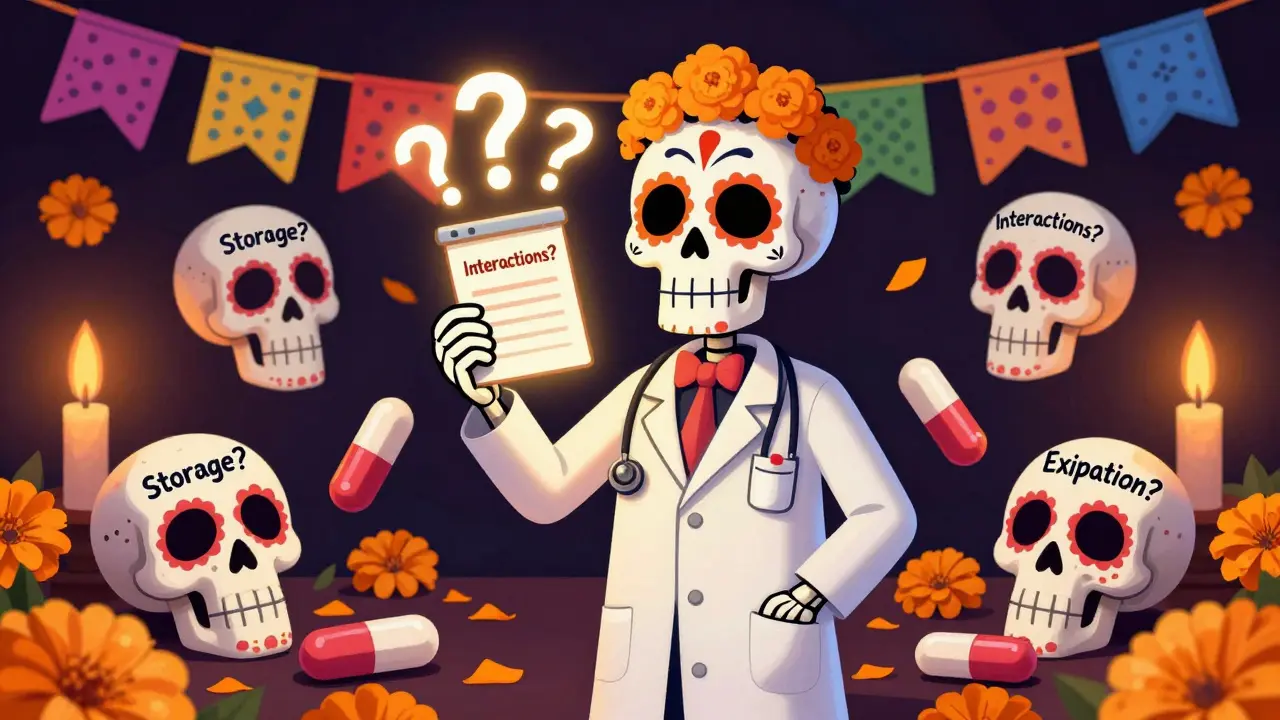
Learn the essential questions to ask at the pharmacy to avoid dangerous medication errors. Know what’s on your prescription label and how to verify it for safety.
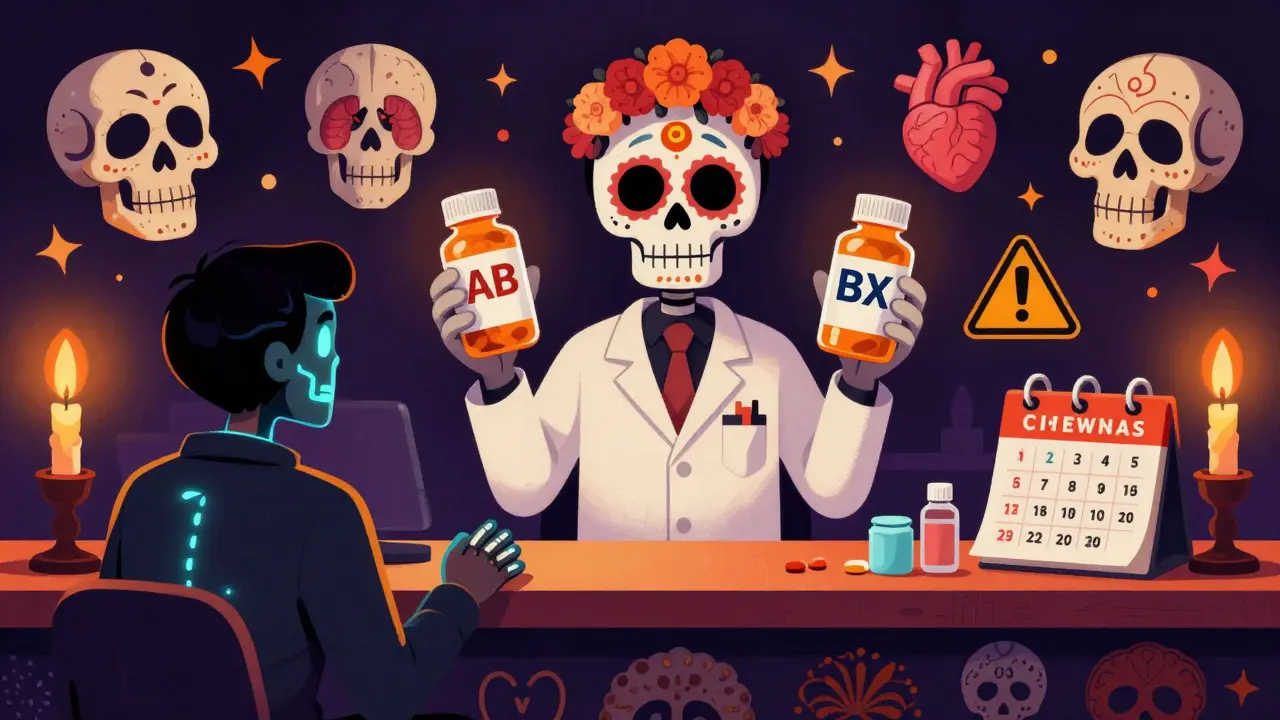
Pharmacists play a critical role in catching problematic generic medications that can cause therapeutic failure or adverse effects. Learn when and how to flag unsafe substitutions, especially with narrow therapeutic index drugs.

Learn how to manage panic attacks with proven breathing, grounding, and medication strategies. This action plan helps reduce frequency, shorten episodes, and regain control during panic moments.

Hey there, folks! So, let's tackle the heavyweight topic of how indomethacin, a medication often used for severe arthritis, interacts with our blood pressure. Picture this: indomethacin, the main character in our story, can sometimes be a bit of a naughty rascal, nudging up our blood pressure readings. It's like it's playing a bit of a roller-coaster game with our heart rates! That's why, if you're a regular user, it's important to keep an eagle eye on your blood pressure, because we all know, surprises are good only at birthdays, not with health! So, remember, with indomethacin, it's always better to be a bit of a control freak, monitoring your blood pressure more often than you check your phone!
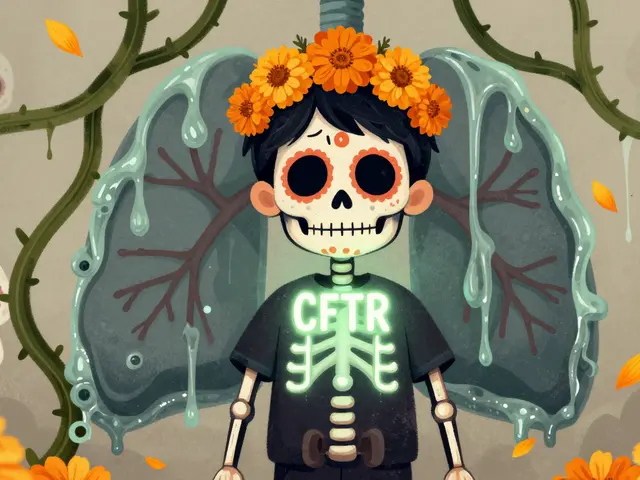
Cystic fibrosis is a genetic disease causing thick mucus in the lungs and organs. New CFTR modulator drugs like Trikafta have transformed survival rates, but access and cost remain major barriers for many.
A detailed side‑by‑side look at Viagra Soft (sildenafil) versus Cialis, Levitra, Stendra, generics and natural options, covering onset, duration, cost, side‑effects, and who should choose each.

As a blogger, I've recently researched enteric infections and I'd like to share my findings with you all. Enteric infections are caused by consuming contaminated food or water, and can lead to symptoms such as diarrhea, vomiting, and abdominal pain. They are often caused by viruses, bacteria, or parasites, with some common examples being E. coli and Salmonella. To prevent these infections, it is important to practice good hygiene, regularly wash our hands, and be cautious with the food and water we consume. Remember, prevention is better than cure, so let's stay vigilant and keep ourselves and our loved ones safe from these infections.
OTC sleep aids like diphenhydramine and melatonin offer minimal sleep benefits but carry serious risks including dementia, falls, and rebound insomnia. Learn safe limits and better alternatives.