
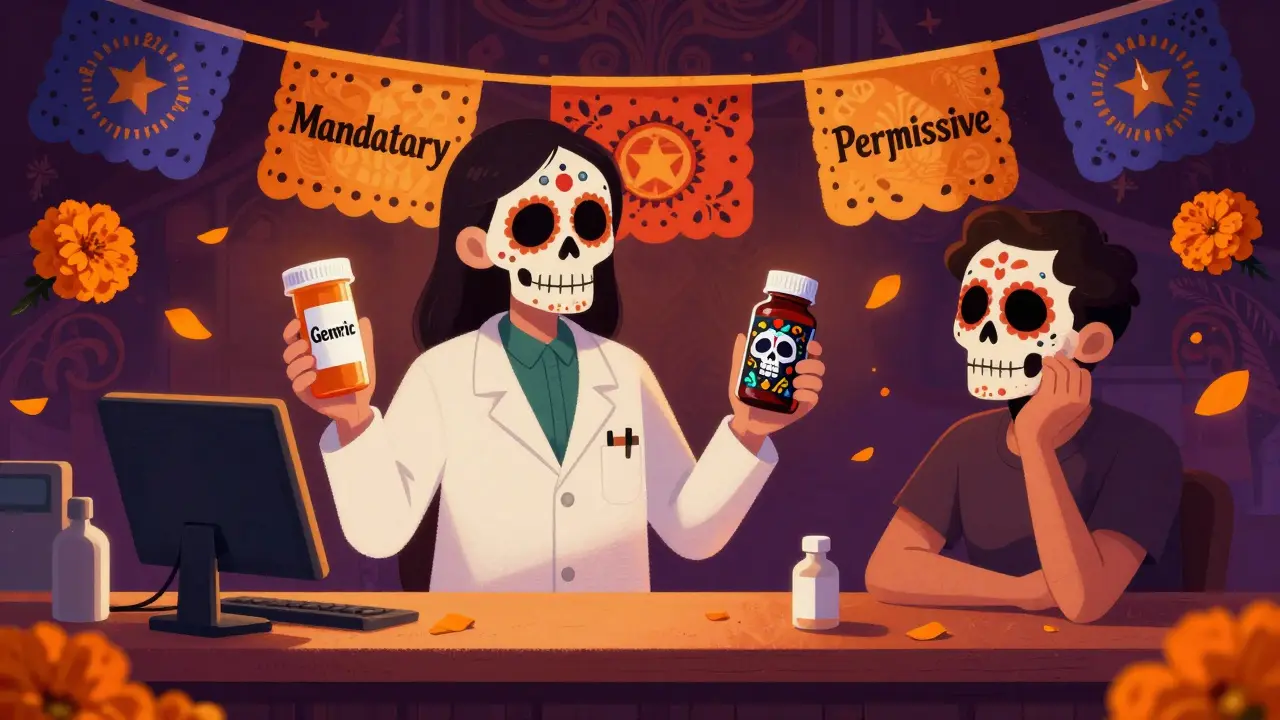
State laws on generic drug substitution vary widely across the U.S., affecting cost, safety, and pharmacist workload. Learn how mandatory vs. permissive rules, patient consent, biologic restrictions, and liability protections differ by state-and what it means for you.

Imagery Rehearsal Therapy (IRT) is the most effective non-drug treatment for PTSD-related nightmares. Learn how rewriting your nightmares before sleep can break the cycle of trauma, improve sleep, and reduce PTSD symptoms-backed by clinical research.

Doxycycline and TMP-SMX (Bactrim) can make your skin dangerously sensitive to sunlight, causing severe sunburns and long-term damage. Learn how to protect yourself with sunscreen, clothing, and smart habits.
The FDA's black box warning on antidepressants warns of increased suicidal thoughts in young people - but the real danger may be avoiding treatment altogether. Here's what the data really shows.
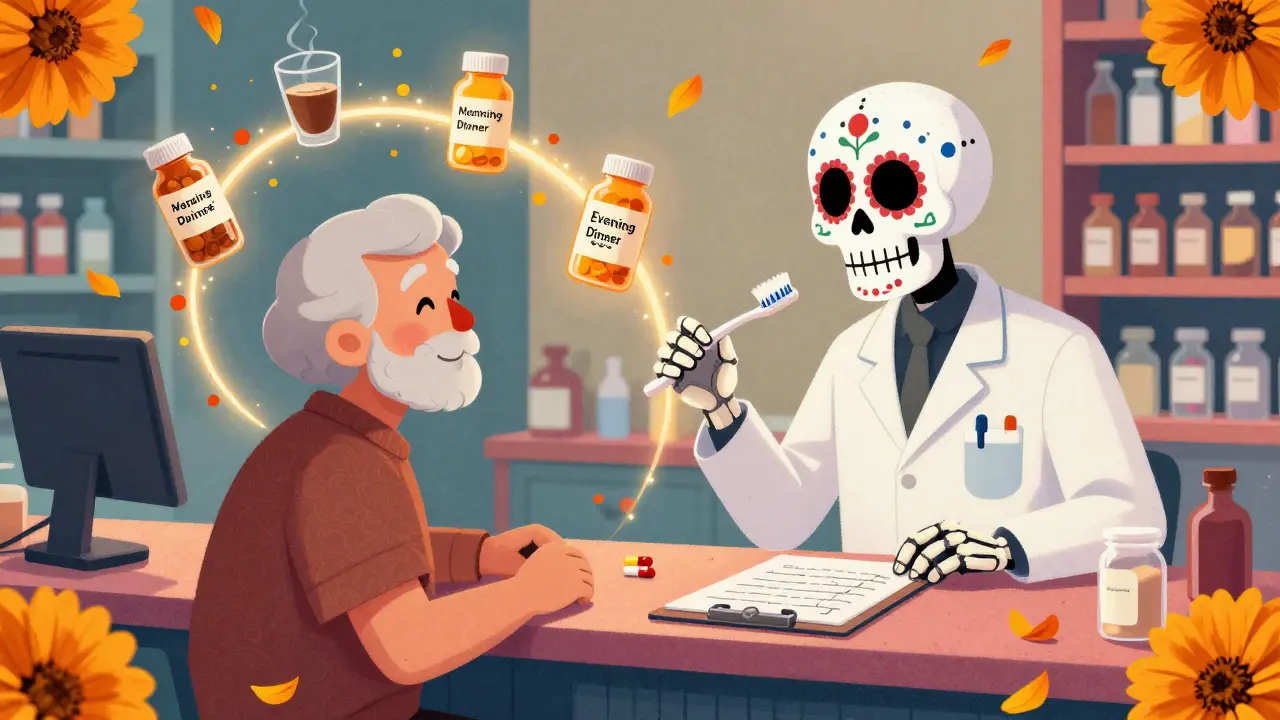
Learn how to build a personalized medication action plan with your care team to improve adherence, avoid side effects, and reduce hospital visits. A clear, simple plan makes managing multiple meds easier and safer.
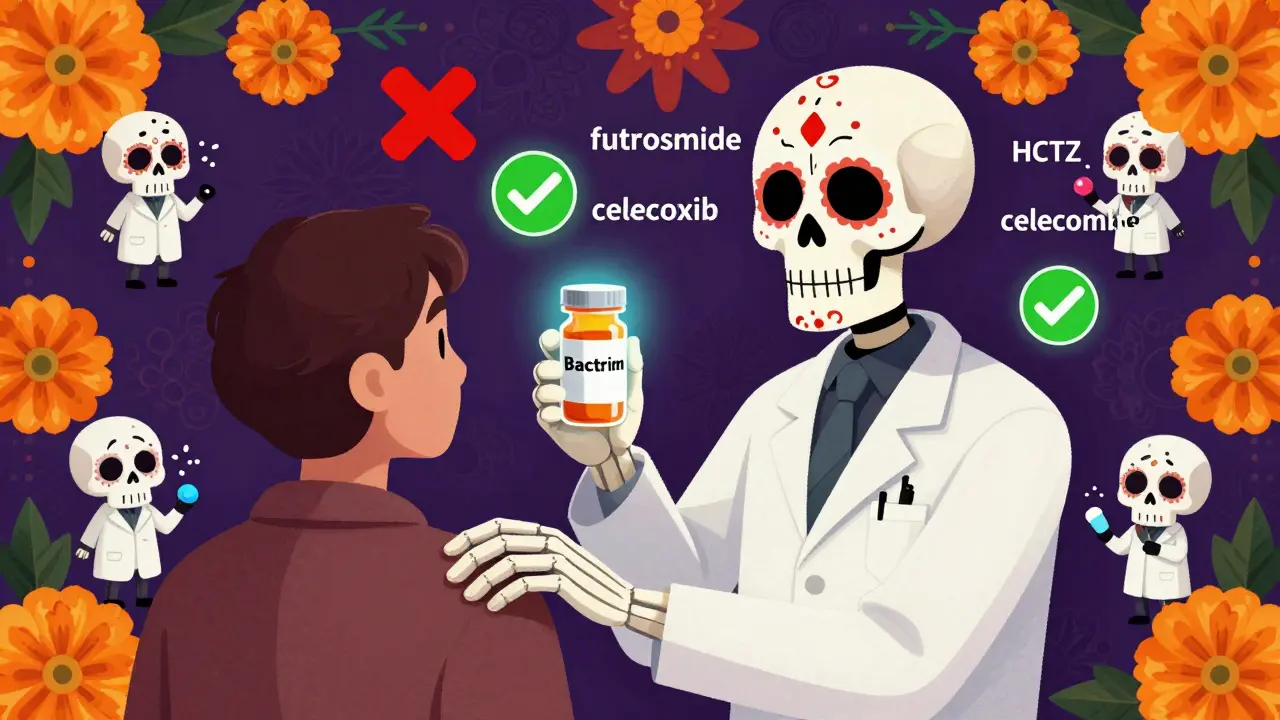
Many people wrongly avoid safe medications like blood pressure pills due to a misunderstood sulfa allergy. Learn the real risks, which drugs are truly dangerous, and how to fix your medical records.
FDA black box warnings are the strongest safety alerts for prescription drugs, signaling risks of death or serious injury. Learn what they mean, how they're issued, and what to do if your medication has one.

In 2026, flu and COVID-19 require different testing, treatment, and isolation strategies. Learn how the latest data on symptoms, antivirals, and transmission changes what you need to do when you're sick.

Seizure medications can affect fetal development and interact with birth control. Learn which drugs carry the highest birth defect risks, which are safest during pregnancy, and how drug interactions can impact both seizure control and contraception effectiveness.

Earwax impaction occurs when earwax builds up in the ear canal, causing symptoms like hearing loss and earaches. Learn about safe removal methods, risks of home attempts, and when to see a doctor. Professional care is safer than DIY solutions. Avoid dangerous practices like ear candling.

In my recent research, I've discovered that Tetracycline, a type of antibiotic, is remarkably effective in treating cholera. This disease, commonly spread through contaminated water, can be devastating but Tetracycline helps to reduce both the severity and duration of symptoms. It works by inhibiting the bacteria's protein synthesis, helping to prevent the disease from progressing. It's great to know that this antibiotic can be a game-changer in cholera-ridden areas. However, it's important to remember that prevention, through clean water and sanitation, is always the best cure.

A side‑by‑side look at Fulvicin (griseofulvin) versus terbinafine, itraconazole, and fluconazole, covering how they work, costs, side effects, and how to pick the best option.
Discover where to find free or low-cost medications at community clinics if you're uninsured or underinsured. Learn how FQHCs, free clinics, and pharmaceutical programs help people afford essential prescriptions.

Carpal tunnel syndrome is a common nerve compression disorder causing numbness and weakness in the hand. Early treatment with splints, exercises, or injections can prevent permanent damage-and surgery is highly effective when needed.
ACE inhibitors and ARBs are the cornerstone of treatment for diabetic nephropathy, reducing proteinuria and slowing kidney damage. Maximal dosing is key-low doses offer little protection. Learn when to use them, when to avoid combinations, and how to handle creatinine changes.