
When someone has depression, a medical condition marked by persistent sadness, loss of interest, and physical symptoms like fatigue or sleep changes. Also known as major depressive disorder, it affects more than 280 million people worldwide and isn't something you can just "snap out of." It’s not weakness—it’s chemistry, brain wiring, and life stress all tangled together.
Most people with depression are treated with SSRIs, a class of antidepressants that increase serotonin levels in the brain to improve mood and energy. Also known as selective serotonin reuptake inhibitors, these include drugs like sertraline and escitalopram—medications that work for about 6 in 10 people after a few weeks. But not everyone responds the same way. That’s why doctors sometimes add other drugs, leading to psychiatric polypharmacy, the use of multiple mental health medications at once, often without strong evidence to support the combination. This happens because depression is messy—it doesn’t come with a simple fix, and patients often have anxiety, insomnia, or other conditions that need separate attention. The problem? Adding more pills doesn’t always mean better results. In fact, it can increase side effects like weight gain, drowsiness, or even worse mood swings.
What’s often overlooked is that depression isn’t just about pills. Lifestyle changes—sleep, movement, sunlight, and social connection—can be just as powerful. But many people never get the chance to try them because they’re stuck in a cycle of quick prescriptions and rushed appointments. The posts here cut through the noise. You’ll find real talk about how antidepressants actually work, why some people switch from one drug to another, what happens when meds don’t help, and how to spot when too many drugs are doing more harm than good. You’ll also see how newer treatments like zuranolone are changing the game, and why generics can make a huge difference in long-term care. This isn’t theory. It’s what people are actually dealing with—and what works when they’re tired of feeling stuck.
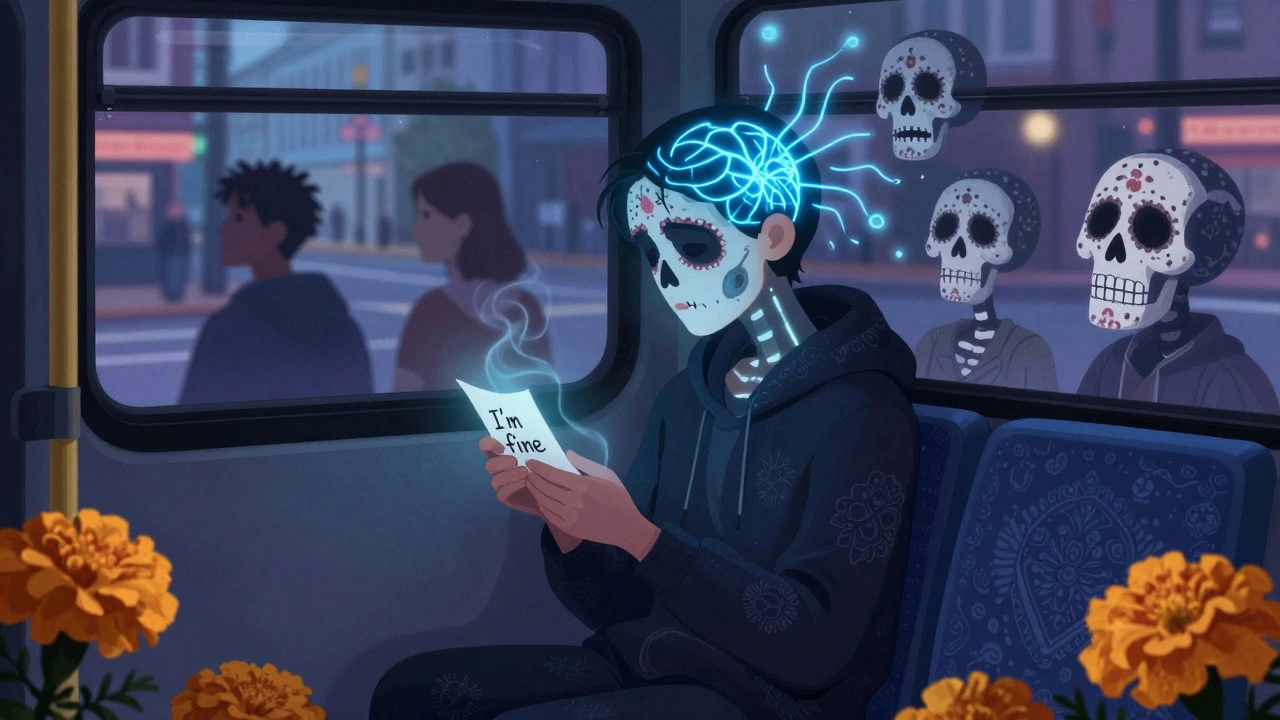
Partial onset seizures don't just affect the body-they deeply impact mental health, often leading to depression and anxiety. Learn how brain changes, medication side effects, and social stigma shape emotional well-being-and what actually helps.

Cut through the confusion of online Tofranil shopping. Here’s what you really need to know to buy antidepressants online, stay safe, and avoid scams.

Cuba's healthcare system is amidst a critical shortage of essential medicines, pushing citizens towards the black market. This crisis highlights the struggle of families like Lili's, the irony of empty pharmacies yet abundant private vendors, and the government's efforts to address the complex issue.

Abdominal distension can turn a great day into a disaster, but probiotics might just be the underrated tool your gut needs. This article dives into how probiotics can actually help reduce bloating and swelling by changing your gut’s bacterial landscape. I'll explore specific strains, explain what real evidence says, and unpack simple habits to keep your digestion happy. You'll learn who benefits most, what mistakes to avoid, and how small changes can add up. Get ready for tips straight from the science to your everyday life.
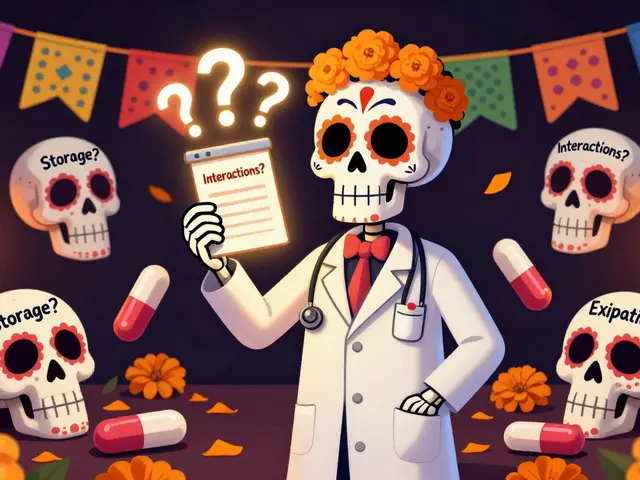
Learn the essential questions to ask at the pharmacy to avoid dangerous medication errors. Know what’s on your prescription label and how to verify it for safety.
Partial onset seizures don't just affect the body-they deeply impact mental health, often leading to depression and anxiety. Learn how brain changes, medication side effects, and social stigma shape emotional well-being-and what actually helps.