
When you hear brand name drugs, the original version of a medication developed and marketed by a pharmaceutical company under a patent. Also known as originator drugs, they’re the first to hit the market after years of research and clinical trials. These are the pills you see advertised on TV—Drugs like Lipitor, Advair, or Humira. They work because their active ingredients are proven to treat specific conditions. But here’s the thing: once the patent expires, other companies can make the same drug. That’s where generic medications, chemically identical versions of brand name drugs sold after patent expiration come in. They’re not copies. They’re the exact same medicine, just cheaper. The FDA requires them to have the same dose, strength, route of administration, and effect as the original. So why do brand name drugs still cost so much?
The answer isn’t in the pills—it’s in the packaging, the marketing, and the business model. Brand name companies spend billions on ads, sales reps, and patient support programs. Generics don’t. But there’s a twist: sometimes, the brand name company itself sells a authorized generic, a version of the brand drug made by the same company but sold without the brand name or marketing. It’s the same pill, same factory, same quality—but priced like a generic. That’s a hidden win for patients. Still, not all generics are created equal. Some contain different inactive ingredients, non-active components like fillers, dyes, or preservatives that don’t treat disease but affect how the pill is made. For most people, that’s fine. But if you’re allergic to lactose, red dye, or gluten, those little differences matter. A pill that works for your neighbor might cause a reaction for you.
Brand name drugs aren’t always better. In fact, for most chronic conditions—like high blood pressure, diabetes, or depression—generics are the smart, safe choice. But there are exceptions. Some drugs have a narrow therapeutic window, meaning tiny differences in absorption can cause big problems. In those rare cases, sticking with the brand might be necessary. And sometimes, switching to a generic can cause side effects you didn’t expect, even if the active ingredient is identical. That’s why it’s worth talking to your pharmacist before making a switch. They can tell you if your medication has an authorized generic version, or if the generic you’re getting is made by the same company as the brand. You’re not just buying a pill—you’re making a decision about your health, your wallet, and your peace of mind. Below, you’ll find real stories and practical guides on how to navigate this system, save money, avoid surprises, and understand exactly what’s in the medicine you take every day.
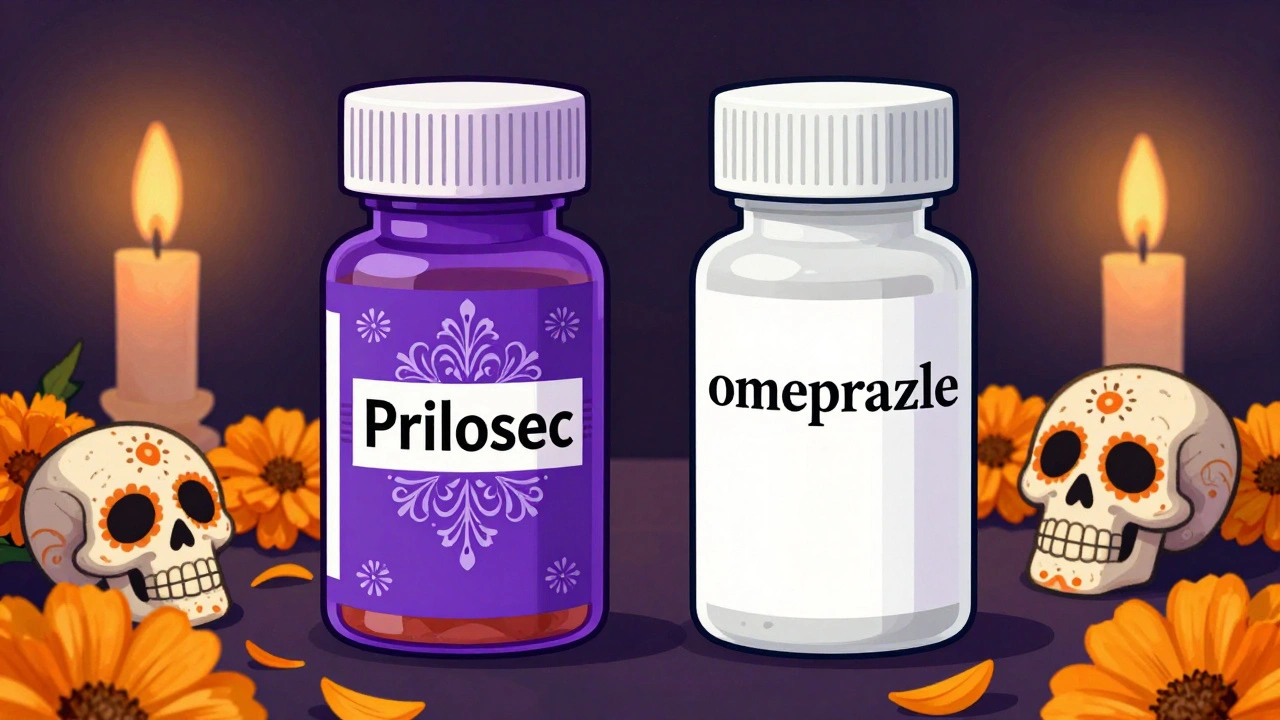
Generic drugs save billions and work just as well as brand-name versions. Learn what the FDA requires for therapeutic equivalence, why labels look different, and when to watch for subtle changes.
Authorized generics are identical to brand-name drugs but cost less because they skip marketing costs and trigger immediate price competition. Learn how they work, why they’re cheaper, and how to get them.
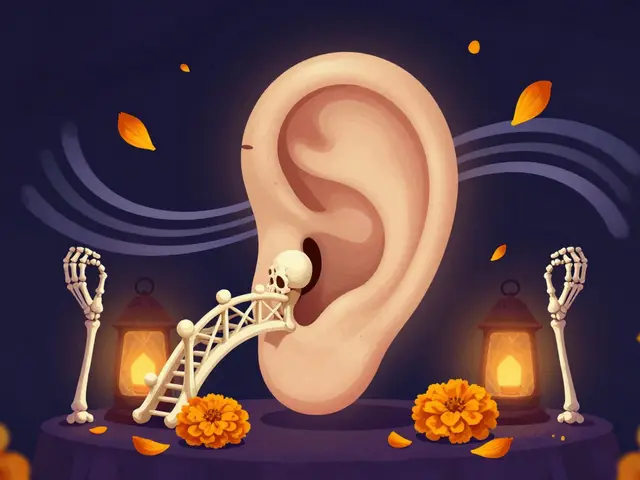
Otosclerosis is a common cause of hearing loss in adults under 50, caused by abnormal bone growth around the stapes. It leads to progressive conductive hearing loss, especially in low tones, but can be effectively treated with hearing aids or surgery.

As a blogger, I've recently come across the topic of the role of Clozapine in the management of psychotic depression. Clozapine, an atypical antipsychotic medication, is used to treat severe cases of this mental health disorder when other treatments have failed. Its unique properties help in alleviating both psychotic symptoms and depressive episodes. However, it's essential to be aware of the potential side effects and monitor blood levels closely while administering this medication. In conclusion, Clozapine plays a crucial role in managing psychotic depression, improving the quality of life for those who suffer from this challenging condition.
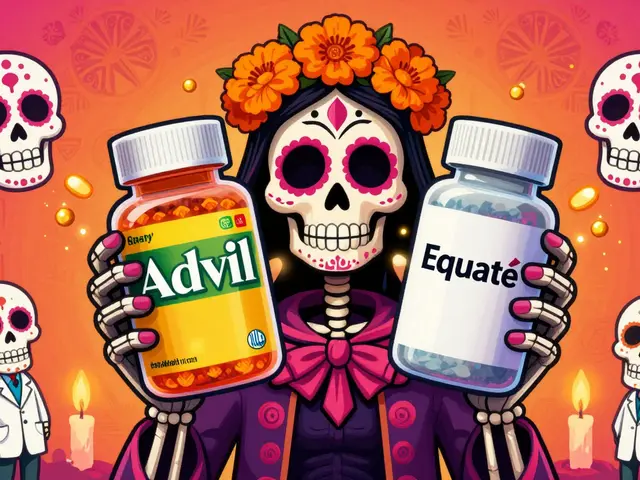
Store brand OTC medications contain the same active ingredients as name brands but cost 80% less. Learn how to save money without sacrificing effectiveness, backed by FDA data and real user experiences.

Choosing between liquid and tablet medications for children isn't just about age-it's about safety, taste, accuracy, and cost. Discover why tablets are often the better choice-and how to help your child swallow them easily.
Explore how carbidopa‑levodopa‑entacapone (Stalevo) improves daily "on" time and quality of life for Parkinson's patients, with evidence, dosing tips, and FAQs.