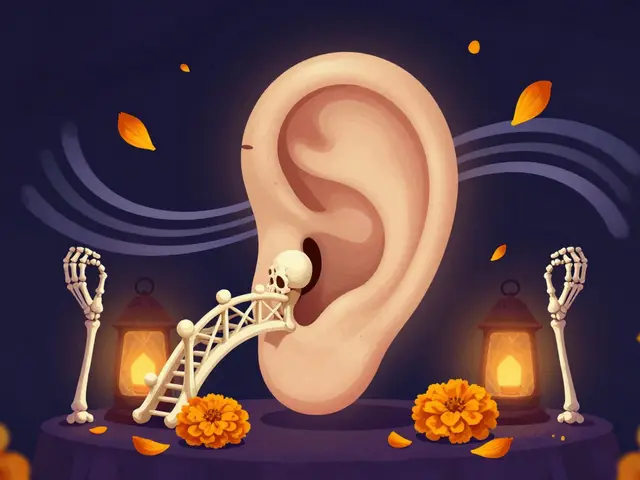
For many people, the ringing in their ears doesn’t come from a speaker, a phone, or a loud concert. It’s just... there. Constant. Sometimes quiet, sometimes overwhelming. And no one else can hear it. That’s tinnitus - not a disease, but a symptom. And it’s more common than you think. About tinnitus affects 1 in 5 people worldwide. In the U.S. alone, 50 million people experience it to some degree. Of those, 2 million are so severely affected they can’t work, sleep, or focus. If you’re one of them, you’re not alone - and there are real, evidence-backed ways to manage it.
What’s Really Happening in Your Brain?
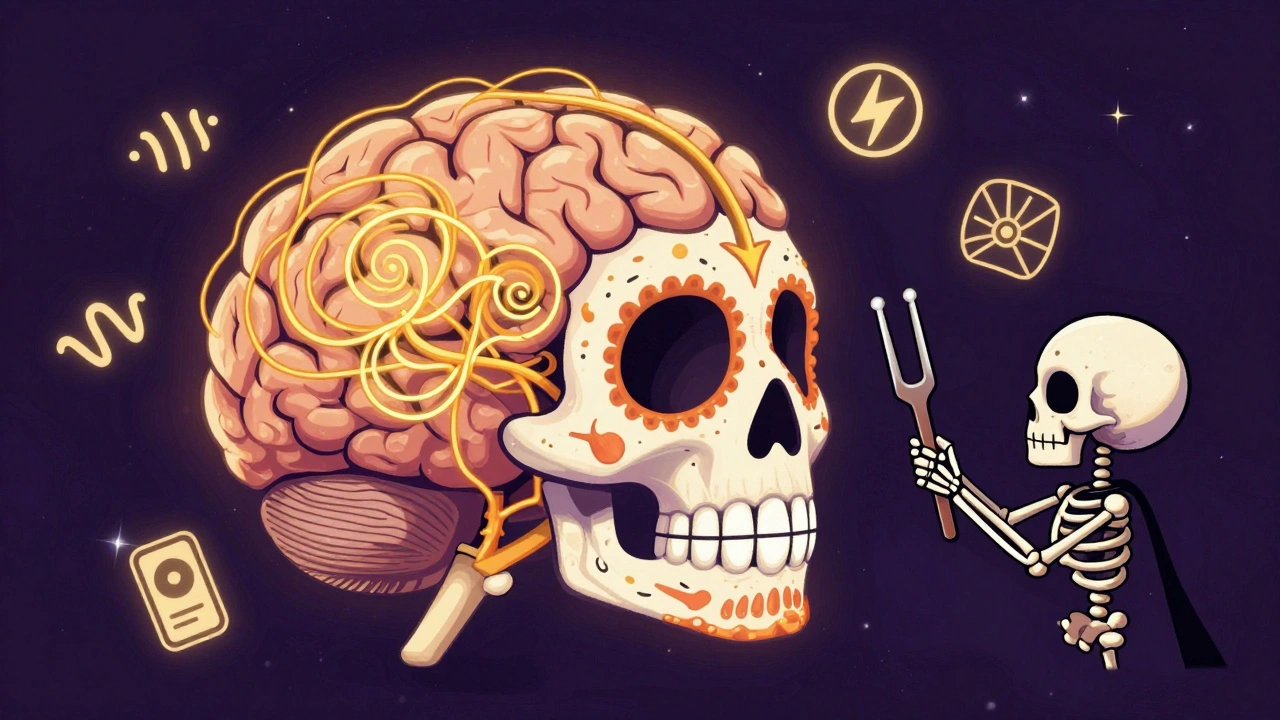
Tinnitus isn’t your ears making noise. It’s your brain. When the hair cells in your inner ear get damaged - from loud sounds, aging, or illness - they stop sending clean signals to your brain. Instead, they start firing randomly. Your brain, used to hearing input from those cells, tries to make sense of the noise. So it creates sound where none exists. That’s why you hear ringing, buzzing, or hissing. It’s not in your ear. It’s in your auditory cortex.
This is why hearing tests are so important. About 80% of people with tinnitus also have some degree of hearing loss - even if they don’t notice it yet. The brain compensates for missing frequencies by amplifying internal noise. That’s why a hearing aid isn’t just for hearing better. It’s often the first step in quieting the ringing.
What Causes Tinnitus? The Real Culprits
Not all tinnitus is the same. The cause changes how you treat it.
- Hearing loss - the #1 cause. Age-related (presbycusis) affects half of people over 75, and 85% of them develop tinnitus.
- Noise exposure - listening to music over 85 decibels for long periods (like headphones at max volume) damages hair cells. This is preventable.
- Earwax blockage - yes, it’s that simple. About 10-15% of tinnitus cases clear up after professional removal. Don’t use cotton swabs - they push wax deeper.
- Medications - over 200 drugs can trigger tinnitus. Common ones: high-dose aspirin (over 4 grams/day), certain antibiotics (like gentamicin), diuretics like furosemide, and some antidepressants. Stopping the drug often helps - but not always.
- Pulsatile tinnitus - this is rare (only 4% of cases) but serious. You hear your heartbeat in your ear. It can signal a blood vessel issue like atherosclerosis, a tumor, or a fistula. If you have this, you need an MRI.
Most tinnitus is subjective - only you can hear it. A tiny fraction is objective - your doctor can hear it too, usually with a stethoscope. That’s when you know something physical is going on.
How Bad Is It? The Hidden Impact
Tinnitus isn’t just about noise. It’s about sleep, focus, and mental health.
A 2022 survey of 12,000 people found:
- 68% had trouble sleeping
- 52% couldn’t concentrate at work
- 37% started avoiding social situations
That’s not just annoyance. That’s life disruption. And it’s why the Tinnitus Handicap Inventory (THI) exists. It’s a simple 25-question test doctors use to measure how much tinnitus affects your life. Scores range from 0 to 100. A score over 58 means severe impact. If you’re stuck in that range, you need more than just earplugs.

What Actually Works? Proven Management Strategies
There’s no magic cure. But there are proven ways to reduce the noise - and your stress about it.
1. Hearing Aids
If you have hearing loss, hearing aids are the #1 recommended tool. They don’t just make sounds louder. Modern devices include built-in sound therapy - gentle white noise, ocean waves, or customized tones that mask the ringing. Studies show 60% of users report significant relief. Brands like Starkey and Phonak have features specifically designed for tinnitus.
2. Sound Therapy
You don’t need a fancy device. A white noise machine, a fan, or even a free app on your phone can help. The goal isn’t to silence tinnitus - it’s to retrain your brain to ignore it. Background sound reduces the contrast between the ringing and silence. That makes it less noticeable. About 40-50% of people find relief this way.
3. Cognitive Behavioral Therapy (CBT)
This isn’t talk therapy. It’s a structured 8-12 week program that teaches you to change how you react to tinnitus. You learn that the sound isn’t dangerous - it’s just noise. Studies show CBT reduces distress in 50-60% of patients. It’s covered by many insurance plans and available online through platforms like BetterHelp or specialized tinnitus clinics.
4. Tinnitus Retraining Therapy (TRT)
TRT combines sound therapy with counseling. It’s based on the idea that your brain can be trained to habituate to the sound - like how you stop noticing the hum of your fridge. It takes 12-24 months, but for chronic cases, it’s one of the most effective long-term solutions.
5. New Tech: Lenire and Oasis Devices
Two FDA-approved devices are changing the game:
- Lenire - uses bimodal stimulation. You wear headphones that play sounds while a small device gently stimulates your tongue. This combines auditory and sensory input to reset brain pathways. In a 2020 trial, 80% of users saw lasting improvement for over a year.
- Oasis - delivers personalized sound therapy based on your hearing profile. It adapts over time. Clinical tests showed 65% effectiveness.
These aren’t cheap - they cost $2,000-$4,000 - but some insurance plans cover them if you have documented hearing loss.
What Doesn’t Work (And Why)
There’s a lot of noise out there about tinnitus cures.
- Herbal supplements - ginkgo biloba, melatonin, zinc - have no strong evidence. Some studies show slight benefit, but nothing consistent.
- Ear candling - dangerous and ineffective. Don’t do it.
- Just “ignore it” - that’s not possible for most people. The brain doesn’t ignore what it perceives as a threat.
And while transcranial magnetic stimulation (TMS) shows promise in trials (30-40% success), it’s still experimental and not widely available.
When to See a Doctor
You don’t need to wait until it’s unbearable. See a specialist if:
- The ringing started suddenly
- It’s only in one ear
- You hear your heartbeat in your ear
- You have dizziness, balance issues, or facial numbness
- It’s getting worse
Start with your family doctor. They’ll check for earwax or infection. Then you’ll likely be referred to an ENT (otolaryngologist). They’ll do a hearing test and, if needed, order an MRI to rule out vascular issues.
What You Can Do Today
You don’t have to wait for a doctor’s appointment to feel better.
- Stop using cotton swabs. Let your ears clean themselves.
- Lower the volume on headphones. Use the 60/60 rule: 60% volume for no more than 60 minutes at a time.
- Turn on background sound - a fan, a podcast, or a white noise app - especially at night.
- Reduce caffeine and alcohol. They can make tinnitus louder for some people.
- Try a free tinnitus app like Sound Oasis or tinnitus relief by Starkey. Test them for two weeks.
And remember: about 80% of new tinnitus cases improve on their own within 6-12 months. Your brain adapts. But if it’s still bothering you after that, don’t give up. Help exists.
The Future of Tinnitus Treatment
Research is moving fast. Scientists are now looking at the limbic system - the part of the brain tied to emotion - to understand why tinnitus causes so much stress. New drugs targeting neuroinflammation and GABA receptors are in Phase III trials across 15 countries. The goal? To stop the brain from creating the sound in the first place.
The global tinnitus market is growing fast - projected to hit $3.8 billion by 2028. That’s because people are tired of suffering in silence. And finally, medicine is listening.