
When you take more than one medication, your body doesn’t just process them one at a time—it’s a crowded hallway where drugs bump into each other. This is where pharmacokinetic interactions, how drugs affect each other’s absorption, distribution, metabolism, and excretion in the body. Also known as drug-drug interactions, it happens when one drug changes how another moves through your system—often without you noticing. These aren’t about what the drugs do to your symptoms—they’re about what your body does to the drugs.
Think of your liver as a busy factory. The enzymes there, especially CYP3A4 and CYP2D6, are the workers that break down most pills. If one drug slows down those workers—like grapefruit juice does with statins—other drugs pile up and can become toxic. On the flip side, some drugs speed up the factory, making other meds disappear too fast, so they stop working. That’s why switching from one generic to another can sometimes cause trouble, even if the active ingredient is the same. The fillers and coatings might change how fast the drug gets absorbed, and that’s enough to throw off drugs like warfarin or phenytoin, where tiny changes in blood levels can mean the difference between safety and danger.
It’s not just about the liver. Your kidneys filter out many drugs, and if two meds compete for the same cleanup route, one can back up and build up in your blood. That’s a big reason why some heart and kidney meds cause dangerously high potassium levels. And don’t forget your gut—some drugs change how fast your stomach empties or how well your intestines absorb them. A common antibiotic might block absorption of your thyroid pill, making it useless. These aren’t rare edge cases. They show up in everyday prescriptions: diabetes meds, blood pressure pills, antidepressants, even over-the-counter painkillers.
That’s why knowing about drug absorption, how quickly and completely a medication enters your bloodstream matters. It’s why your pharmacist asks what supplements you take—because turmeric, St. John’s wort, or even high-dose vitamin C can interfere. It’s why you shouldn’t crush pills unless told to—some are designed to release slowly, and breaking them changes how your body handles them. And it’s why a simple switch to an authorized generic, a generic made by the original brand company, with the exact same ingredients and manufacturing process might be safer than a regular generic you’ve never tried before.
Pharmacokinetic interactions don’t always cause obvious symptoms. You might feel fine—until your blood sugar spikes, your heart races, or your INR goes off the charts. That’s why tracking what you take, asking your pharmacist about new prescriptions, and using pharmacy consultation services can catch problems before they become emergencies. You don’t need to memorize enzyme names or drug pathways. You just need to know: if you’re on more than a few meds, something might be competing for space in your body. And that’s something worth checking.
Below, you’ll find real stories from patients and studies that show exactly how these interactions play out—in the bloodstream, in the liver, and in everyday life. From warfarin to insulin pumps, from potassium binders to authorized generics, these posts give you the facts you need to ask the right questions and stay in control.

Learn how one medication can change how your body handles another - and what you can do to avoid dangerous reactions. Simple, practical steps to stay safe with your prescriptions.
Generic medications save money but may contain different inactive ingredients that can trigger reactions in sensitive individuals. Learn what's really in your pills and how to protect yourself.

Explore how carbidopa‑levodopa‑entacapone (Stalevo) improves daily "on" time and quality of life for Parkinson's patients, with evidence, dosing tips, and FAQs.
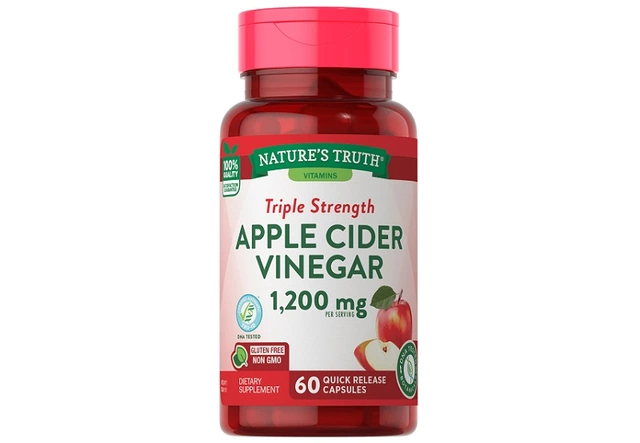
I recently discovered the incredible healing properties of Hedge-Hyssop, and I can't wait to share this new go-to dietary supplement with you all! Not only does this powerful herb support digestion and ease stomach issues, but it also helps to reduce inflammation and alleviate pain. As a natural remedy, Hedge-Hyssop has been proven to be safe and effective. I've personally experienced its benefits and highly recommend giving it a try. Incorporating Hedge-Hyssop into your daily routine could be the perfect addition to support your overall health and well-being.
Step therapy forces patients to try cheaper generics before insurers cover prescribed medications. Learn how it works, when it’s dangerous, and how to get exceptions when your health is at risk.

Hi there, it's your friendly family doctor, here to let you in on some fantastic coupon codes for our online drug store, familydoctor.org. This is a golden opportunity to grab those everyday essential medications and vital prescriptions, without breaking your bank. Don't miss out on these tempting deals that intend to make healthcare easier on your pocket. So, why delay? Come, uncover these discount codes and take a healthy step towards savings!