Every year, over 60,000 children under five visit emergency rooms due to accidental medication poisoning. A child medication emergency requires immediate action-knowing the right steps can prevent serious harm or death. The first few minutes after ingestion are critical, and following the correct protocol can make all the difference.
Immediate Steps to Take
When a child swallows the wrong medication, time is of the essence. Here's what to do right away:
- Call Poison Control immediately. In the United States, dial 800-222-1222. This number connects you to specialists who can give real-time instructions based on the specific medication ingested. Poison Control Center A national emergency service providing immediate guidance for poisoning incidents. In the United States, call 800-222-1222. This call should happen before any other action, including driving to the hospital.
- Remove remaining medication from the mouth. Use your fingers to gently clear any leftover substance. Do not force the child to spit it out-this could cause choking. If the child is unconscious, tilt the head to the side to prevent choking.
- Do not induce vomiting. Contrary to outdated advice, vomiting can cause more harm. The American College of Medical Toxicology states that home vomiting induction changes outcomes in only 0.5% of cases while causing aspiration pneumonia in 7% of attempts. Never use syrup of ipecac-it hasn't been recommended since 2004.
- Keep the medication container handy. Bring it to the hospital or have it ready for Poison Control. The exact ingredients and dosage are crucial for proper treatment.
Symptoms Requiring Emergency Care
Some symptoms mean you need to call 911 immediately. These include:
- Difficulty breathing or stopped breathing
- Loss of consciousness or extreme drowsiness
- Seizures or convulsions
- Abnormal pupil size (very large or very small)
- Severe vomiting or abdominal pain
According to NIH case studies, respiratory distress occurs in 28% of severe pediatric poisoning cases. Heart medications like beta-blockers can drop blood pressure below 70/40 mmHg within 30 minutes, risking cardiac arrest. If you see any of these signs, call emergency services right away.
What Happens at the Hospital
At the hospital, doctors follow standardized protocols based on the medication ingested. For unknown substances, they typically monitor the child for at least 12 hours. Vital signs are checked every 15 minutes during the first hour, then every 30 minutes once stable.
Specific treatments include:
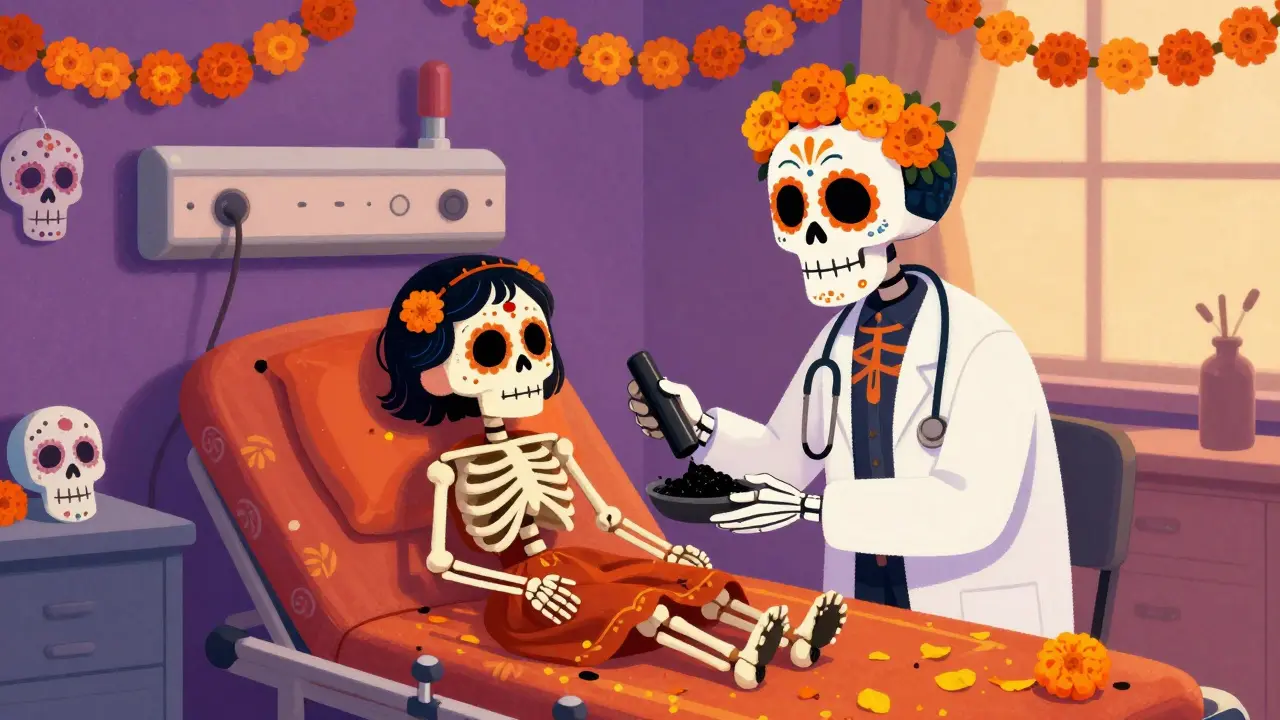
- Activated charcoal: Given within one hour of ingestion for most medications. It binds to toxins in the stomach. Activated charcoal A medical treatment that absorbs toxins in the gastrointestinal tract. Administered as 1 gram per kilogram of body weight orally.
- Naloxone: For opioid overdoses. This antidote reverses respiratory depression. The AAP recommends 0.1 mg/kg IV or IM, up to 2 mg per dose.
- Sodium bicarbonate: Used for tricyclic antidepressant ingestions to correct acid-base imbalances.
- Continuous blood glucose monitoring: Required for sulfonylurea medications (common in diabetes drugs), as they can cause dangerously low blood sugar.
- N-acetylcysteine (NAC): For acetaminophen overdoses. Administered intravenously within 8 hours to prevent liver failure. Delayed treatment can lead to irreversible damage.
According to the American Association of Poison Control Centers, hospitalization rates drop by 43% when Poison Control is involved early. This highlights why calling them first is so important.

Preventing Future Incidents
Prevention is the best strategy. Here's how to keep medications out of children's reach:
- Lock all medications. CDC data shows homes with locked storage have 85% fewer accidental ingestions. Use childproof locks on cabinets, not just child-resistant caps.
- Use flow restrictors. The American Academy of Pediatrics mandates liquid medications have flow restrictors, reducing accidental ingestion volumes by 58%. Always check for these on medicine bottles.
- Consider smart pill bottles. Devices like Hero Health's smart bottle (starting at $89.99/month) reduce accidental access by 73% in clinical trials. However, cost limits adoption to only 12% of high-risk households.
- Never leave medications unattended. Even a few seconds can be enough for a curious child to grab a pill.
- Check FDA standards. New child-resistant packaging requiring two independent mechanisms will reduce exposures by 30% by 2025, according to Congressional Budget Office analysis.
Common Misconceptions
Many parents believe outdated advice that can worsen the situation. Here's what's wrong:
- Syrup of ipecac: Once commonly used to induce vomiting, it's been removed from medical guidelines since 2004. Dr. Robert Palmer of the Rocky Mountain Poison & Drug Center states, "78% of parents incorrectly believe syrup of ipecac is recommended."
- Home remedies like milk or water: These can dilute stomach contents but don't neutralize toxins. In some cases, they can speed up absorption of certain drugs.
- Waiting for symptoms: Some medications, like acetaminophen, cause delayed liver damage. Symptoms may not appear for hours, but damage starts immediately. Always seek help even if the child seems fine.
- All medications are equally dangerous: Pain medications like acetaminophen and opioids account for 31% of pediatric poisoning deaths. Heart medications (beta-blockers, calcium channel blockers) and diabetes drugs (sulfonylureas) are also high-risk. Always store these securely.
Should I make my child vomit after swallowing medication?
No. Inducing vomiting can cause more harm than good. It may lead to choking or aspiration pneumonia. The American College of Medical Toxicology states that home vomiting induction changes outcomes in only 0.5% of cases while causing complications in 7% of attempts. Always call Poison Control first for specific instructions.
What is the Poison Control number in the U.S.?
The national Poison Control number is 800-222-1222. This free service connects you to experts who provide immediate guidance. In 2022, 92% of callers felt "extremely confident" in their instructions. However, only 61% of respondents could correctly identify this number, which is why the AAPCC runs "Know the Number" awareness campaigns.
What if I don't know what my child swallowed?
If you're unsure what was ingested, call Poison Control immediately. They can help identify the substance based on symptoms or container details. Even if you can't find the container, provide as much information as possible about the medication's appearance, color, or any markings.
How long do symptoms take to appear?
This varies by medication. Some, like opioids or sedatives, cause symptoms within minutes. Others, like acetaminophen, may take 24-48 hours for liver damage to show. However, damage can start immediately. Always seek help even if the child seems fine.
Can I use activated charcoal at home?
No. Activated charcoal should only be administered by medical professionals. Improper use can cause choking or lung damage. Hospitals use precise dosing based on the child's weight and the substance ingested.