
When you take an immunosuppressant, a medication that reduces the activity of your immune system to prevent organ rejection or treat autoimmune diseases. Also known as immune system suppressants, these drugs are life-saving for transplant patients and people with conditions like lupus or rheumatoid arthritis. But they don’t work in isolation. Even common over-the-counter pills, herbal supplements, or foods can change how they work—sometimes dangerously.
Immunosuppressant interactions happen when another substance changes how your body absorbs, breaks down, or responds to the drug. For example, grapefruit juice can spike levels of cyclosporine or tacrolimus, leading to kidney damage. Antibiotics like clarithromycin can do the same. On the flip side, St. John’s wort can drop drug levels so low your body starts rejecting a transplanted organ. These aren’t rare edge cases—they’re well-documented risks that show up in real patient care every day.
It’s not just about other drugs. Even something as simple as a multivitamin with magnesium or calcium can block absorption of mycophenolate. And if you’re on multiple meds—for high blood pressure, diabetes, or depression—the chances of a hidden interaction go up fast. That’s why people on immunosuppressants need to keep a full list of everything they take, including supplements and herbal teas, and share it with every doctor they see.
Some of the most common immunosuppressants you’ll find in these posts include drugs like cyclosporine, tacrolimus, sirolimus, and mycophenolate. But the real issue isn’t just the drugs themselves—it’s how they mix with everything else. You might be taking one of these for a transplant, or maybe you’re managing an autoimmune condition. Either way, you need to know what to avoid, what to monitor, and when to call your doctor.
You’ll find detailed comparisons here on how specific medications like amisulpride, an antipsychotic that can affect liver enzymes and interact with immune drugs, or atazanavir, an HIV drug that alters how immunosuppressants are processed, might overlap with your treatment. There are also guides on how allopurinol, a gout medication that can increase toxicity of azathioprine, and other common prescriptions can quietly mess with your immune therapy.
This isn’t about scare tactics. It’s about control. Knowing what to watch for gives you power over your treatment. You don’t have to guess. You don’t have to hope. You can ask the right questions, check for known interactions, and make sure your meds work the way they’re supposed to—without putting your health at risk.
Below, you’ll find real-world guides that break down exactly which drugs, supplements, and lifestyle choices can interfere with your immunosuppressants—and what to do about it. No fluff. No jargon. Just clear, practical info to help you stay safe and in control.

A practical guide for organ transplant recipients covering common immunosuppressants, drug interactions, side effects, monitoring tips, and emerging therapies.

Whistleblower protections shield manufacturing workers who report safety defects, from toys to medical devices. Learn which laws apply, deadlines to meet, and how to avoid retaliation.
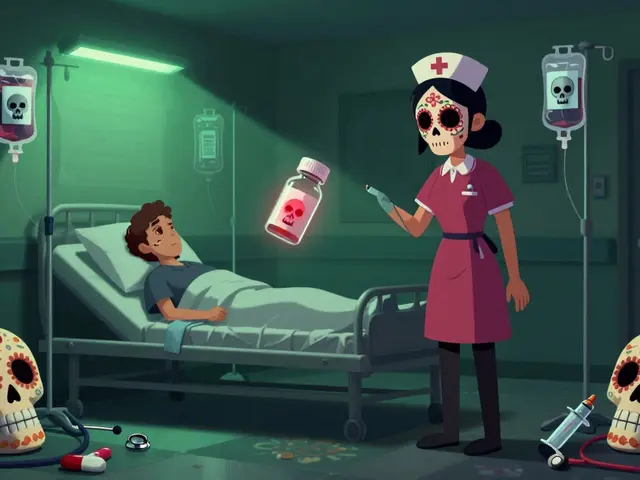
Night shifts increase medication errors by over 12% due to fatigue. Learn which medications worsen drowsiness, why naps aren't enough, and what real system changes can prevent deadly mistakes.
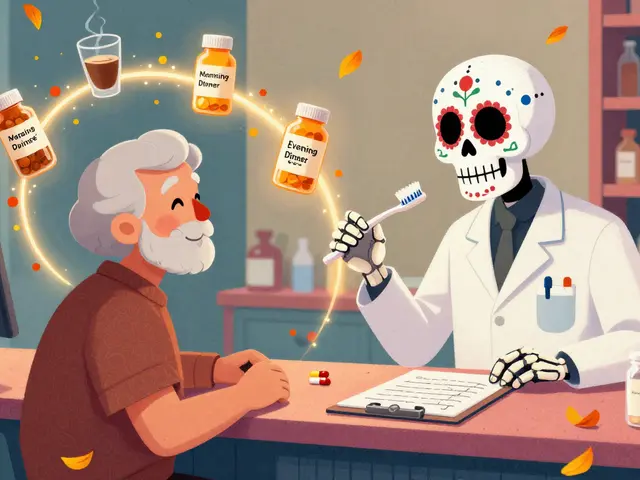
Learn how to build a personalized medication action plan with your care team to improve adherence, avoid side effects, and reduce hospital visits. A clear, simple plan makes managing multiple meds easier and safer.
As a blogger, I've recently delved into the role of surgery in treating Graves' disease. Surgery, specifically thyroidectomy, is one of the three primary treatment options for this condition, alongside medication and radioactive iodine therapy. It involves removing all or part of the thyroid gland, which can provide long-term relief from symptoms. Although it may not be the first choice for many patients, surgery can be especially beneficial for those with large goiters, pregnant women, or individuals who cannot tolerate other treatments. Overall, surgery plays a crucial role in Graves' disease treatment and can offer life-changing results for patients in specific circumstances.

Otosclerosis is a common cause of hearing loss in adults under 50, caused by abnormal bone growth around the stapes. It leads to progressive conductive hearing loss, especially in low tones, but can be effectively treated with hearing aids or surgery.