
When working with Exemestane, a steroidal aromatase inhibitor prescribed for hormone‑responsive breast cancer. Also known as Aromasin, it blocks the enzyme that converts androgens into estrogen, effectively lowering estrogen levels in the body. This reduction is crucial because many breast tumors grow faster when estrogen is abundant.
Exemestane belongs to the broader class of aromatase inhibitors, drugs that inhibit the aromatase enzyme to decrease estrogen production. These agents are a cornerstone of hormone therapy, treatment strategies that manipulate hormone levels to control cancer growth. For patients with breast cancer, especially post‑menopausal women, aromatase inhibitors often outperform older options like tamoxifen because they directly cut the estrogen supply rather than blocking its receptor.
Clinical trials show that Exemestane can reduce recurrence rates after surgery or after completing a five‑year tamoxifen course. It’s also used as a “switch” therapy: patients start with tamoxifen, then transition to Exemestane to maintain estrogen suppression. The drug’s irreversible binding to aromatase means its effect lasts longer, which can simplify dosing schedules. Most doctors prescribe a daily 25 mg tablet, and blood tests are used to monitor liver function and cholesterol, as Exemestane may mildly raise lipids.
Because estrogen plays a role in bone health, a common concern is bone density loss. Many physicians pair Exemestane with calcium, vitamin D, or even bisphosphonates to protect skeletal integrity. Side effects such as hot flashes, joint pain, and fatigue are reported, but they’re often manageable with lifestyle tweaks or supportive meds. Understanding these trade‑offs helps patients and caregivers make informed decisions about their treatment plan.
Beyond the medical facts, real‑world experiences highlight the importance of clear communication. Patients who know why Exemestane is chosen, how it fits into their overall hormone therapy, and what to expect in terms of side effects tend to adhere better to their regimen. That adherence translates into better outcomes and lower chances of cancer returning.
Below you’ll find a curated selection of articles that dive deeper into Exemestane’s mechanism, compare it with other aromatase inhibitors, discuss managing side effects, and explore newer research on its role in advanced breast cancer. Whether you’re a patient, a family member, or a healthcare professional, these resources will give you practical insights you can apply right away.

A practical, side‑by‑side comparison of Aromasin (exemestane) with letrozole, anastrozole, and tamoxifen, covering mechanisms, side effects, cost, and choosing the right drug.

Learn why generic medications change appearance and when switching between different manufacturers can be risky for your health, especially with NTI drugs.

I recently came across the topic of osteodystrophy and its effects on dental health, which I found quite intriguing. Osteodystrophy is a condition that affects bone metabolism and can have a significant impact on our teeth and gums. It is important for us to understand the link between these two aspects of our health, as it can help us take better care of our oral hygiene. In my research, I discovered that proper dental care and regular check-ups are crucial in managing this condition. I'll be sharing more information on this topic in my upcoming blog post, so stay tuned!

Partial onset seizures don't just affect the body-they deeply impact mental health, often leading to depression and anxiety. Learn how brain changes, medication side effects, and social stigma shape emotional well-being-and what actually helps.
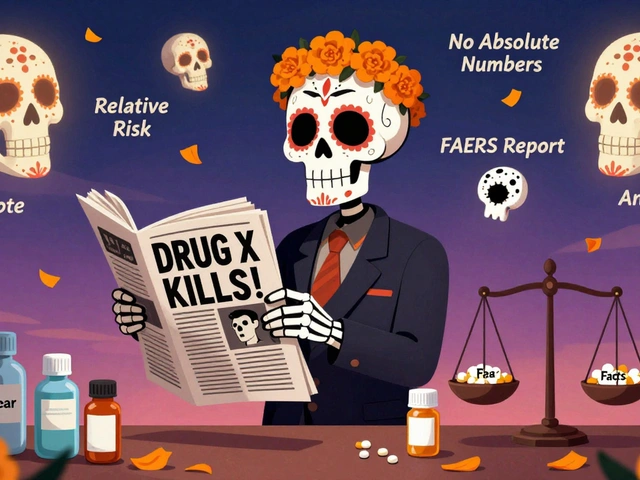
Learn how to spot misleading media reports about drug safety by checking study methods, understanding risk numbers, and verifying sources. Don't let sensational headlines scare you into stopping your medication.

FDA black box warnings are the strongest safety alerts for prescription drugs, signaling risks of death or serious injury. Learn what they mean, how they're issued, and what to do if your medication has one.