

Spinal cord injury causes loss of movement and sensation below the injury site. Effective rehab begins immediately, using therapy, assistive devices, and technology to restore function and independence. Learn how exoskeletons, FES bikes, and brain-computer interfaces are changing recovery.

High potassium from common heart and kidney meds can trigger life-threatening heart rhythms. Learn how medications cause hyperkalemia, the silent warning signs, and how new treatments let you stay on life-saving drugs safely.

Otosclerosis is a common cause of hearing loss in adults under 50, caused by abnormal bone growth around the stapes. It leads to progressive conductive hearing loss, especially in low tones, but can be effectively treated with hearing aids or surgery.

Lamisil (terbinafine) is a proven antifungal medication used for athlete's foot, nail fungus, and other stubborn fungal infections. This article cuts through the noise to explain how Lamisil works, when and how to use it, possible side effects, real-world tips, and little-known facts drawn from medical data and everyday experience. If you’re tired of battling with persistent fungal issues or unsure if Lamisil is for you, you'll find actionable advice and honest insights here.

Anaphylaxis is a life-threatening allergic reaction that requires immediate epinephrine. Learn the warning signs, how to use an auto-injector correctly, why antihistamines won’t save you, and what to do after the shot.
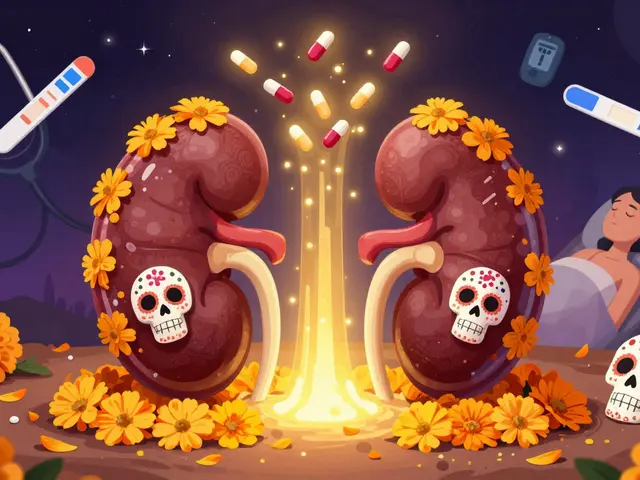
ACE inhibitors and ARBs are the cornerstone of treatment for diabetic nephropathy, reducing proteinuria and slowing kidney damage. Maximal dosing is key-low doses offer little protection. Learn when to use them, when to avoid combinations, and how to handle creatinine changes.