When your body goes into overdrive because of something you ate, touched, or were stung by, it’s not just a rash or a sneeze. It’s anaphylaxis - a life-threatening allergic reaction that can turn deadly in minutes. There’s no waiting. No "see how it goes." If you or someone you care about has had a serious allergic reaction before, you need to know exactly what to do - and when to do it.
What Anaphylaxis Really Looks Like
Anaphylaxis doesn’t always start with a swollen tongue or hives. Sometimes it begins with a strange feeling - a tight throat, a sudden wave of nausea, or dizziness. That’s not "just nerves." It’s your body shutting down. According to the Resuscitation Council UK’s 2021 guidelines, anaphylaxis is diagnosed when you have symptoms in two or more of these systems after exposure to a likely allergen:- Skin or mucous membranes: hives, swelling of lips or eyelids, flushing
- Respiratory: wheezing, trouble breathing, hoarse voice, stridor
- Cardiovascular: low blood pressure, rapid heartbeat, fainting
- Gastrointestinal: vomiting, cramps, diarrhea
Why Epinephrine Is the Only Thing That Works
You’ve probably heard people say, "Just take an antihistamine." Don’t. Antihistamines like Benadryl don’t stop anaphylaxis. They might ease a little itching, but they do nothing for airway swelling or collapsing blood pressure. A Cochrane review in 2012 found zero evidence that antihistamines alone save lives in anaphylaxis. Epinephrine is the only treatment that reverses the deadly chain reaction. It works fast - in under five minutes - by tightening blood vessels (so your pressure doesn’t crash) and opening your airways (so you can breathe). It’s not a cure. It’s a bridge. A bridge to the hospital. And you need it now. Doctors at Johns Hopkins and UCLA say it plainly: there’s no substitute. Delaying epinephrine is the single biggest reason people die from anaphylaxis.How to Use an Epinephrine Auto-Injector
There are three main brands in North America: EpiPen, Auvi-Q, and Adrenaclick. They all work the same way, but the instructions vary. Here’s the universal rule:- Remove the safety cap.
- Place the injector firmly against the outer thigh - through clothing if needed.
- Push hard until you hear a click.
- Hold it in place for 3 seconds.
- Remove and massage the area for 10 seconds.
- Adults and kids over 30 kg (66 lbs): 0.3 mg
- Children 15-30 kg (33-66 lbs): 0.15 mg
What Happens After the Shot
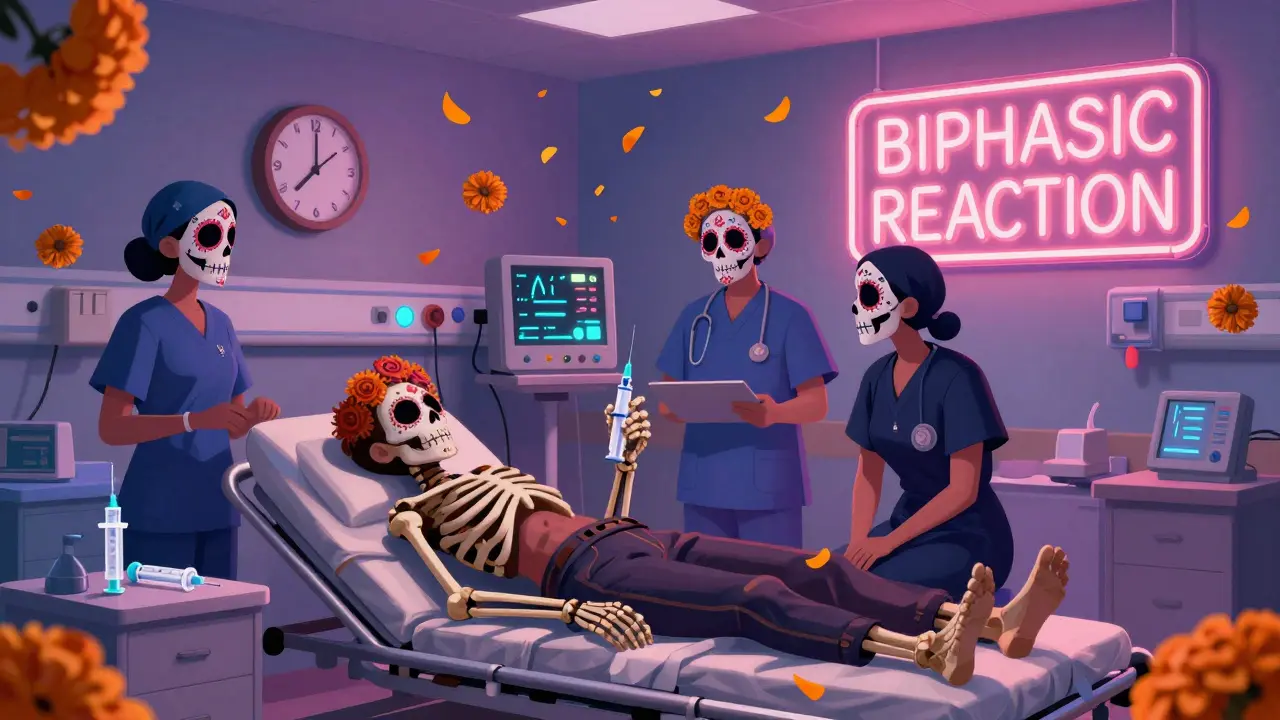
Even if you feel better after the injection, you still need to call 911. Anaphylaxis can come back - sometimes hours later. That’s called a biphasic reaction. It happens in up to 20% of cases. That’s why emergency rooms observe high-risk patients for 12 hours now, per the 2021 UK guidelines. Don’t assume the epinephrine fixed everything. It buys you time. The hospital will monitor your blood pressure, oxygen levels, and heart rhythm. They may give you steroids or antihistamines - but only as backup. Epinephrine is the star.Common Mistakes and How to Avoid Them
People think they know how to use their auto-injector. But studies show 68% get it wrong during practice. Here’s what goes wrong:- Waiting for "worse" symptoms - like full-blown collapse - before acting
- Injecting in the wrong spot (arm, stomach, hand)
- Not holding it long enough
- Forgetting to call 911
- Storing it in the car or fridge - extreme heat or cold ruins it
Who’s at Risk and What’s Changing
About 1.6% of Americans - over 5 million people - have had anaphylaxis. Food triggers cause 90% of cases: peanuts, tree nuts, shellfish. Insect stings (bees, wasps) are next. Medications like penicillin account for most drug-related cases. The good news? Access is improving. Generic epinephrine auto-injectors now make up 70% of U.S. prescriptions. Out-of-pocket costs have dropped from $325 in 2016 to $185 in 2023. Schools in all 50 states now keep stock epinephrine. In 34 states, staff must be trained to use it by 2025. New options are coming too. In August 2023, the FDA approved Neffy - a nasal spray that delivers epinephrine without a needle. It’s not for everyone, but for people with needle fear, it’s a game-changer.What You Need to Do Today
If you’ve ever had a serious allergic reaction:- Get prescribed an epinephrine auto-injector - and carry TWO.
- Teach your partner, kids, coworkers - anyone who spends time with you - how to use it.
- Wear a medical alert bracelet.
- Have a written action plan from your allergist.
- Practice with a trainer device every week.
- Send a spare injector to school - and make sure the nurse and teachers know how to use it.
- Don’t assume your child will tell you they’re having a reaction. Young kids often can’t describe symptoms.
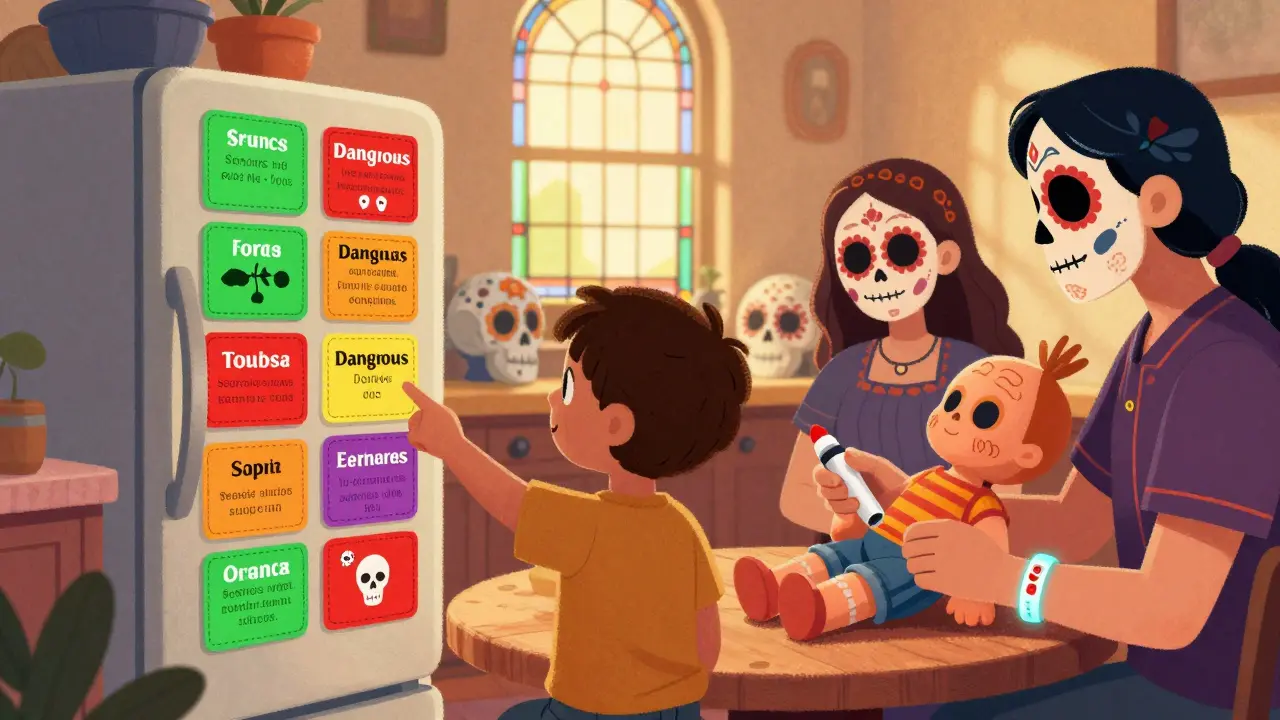
- Keep a list of safe and unsafe foods visible on your fridge.
Can antihistamines like Benadryl treat anaphylaxis?
No. Antihistamines may help with mild itching or hives, but they do nothing to stop airway swelling, low blood pressure, or shock. Relying on them alone during anaphylaxis can be fatal. Epinephrine is the only life-saving treatment.
When should I give a second dose of epinephrine?
If symptoms don’t improve or get worse after 5 minutes, give a second dose. Don’t wait. Don’t hope it’ll get better. Anaphylaxis can escalate rapidly. The Resuscitation Council UK and American Academy of Allergy guidelines both support repeat dosing if needed. Always call 911 after the first dose - even if you feel fine.
Can I use someone else’s epinephrine auto-injector?
Yes. If someone is having anaphylaxis and you have an injector - even if it’s not their prescription - use it. The dose difference between adult and child versions is not dangerous in an emergency. Saving a life is more important than perfect dosing. Never hesitate because the injector isn’t "theirs."
Do I need to go to the hospital after using epinephrine?
Absolutely. Even if you feel better, you must go to the ER. Anaphylaxis can return hours later in what’s called a biphasic reaction. Emergency teams need to monitor your vital signs and be ready to treat another episode. Staying home after using epinephrine is dangerous.
How long do epinephrine auto-injectors last?
Most last 12 to 18 months. Check the expiration date on the device every month. Store them at room temperature - not in the fridge, not in the car. Heat and cold can break down the medicine. Set a phone reminder to replace them before they expire. Never use an expired injector unless there’s no other option - and even then, it’s better than nothing.
Are there alternatives to injections?
Yes - Neffy, a nasal spray approved by the FDA in August 2023, delivers epinephrine without a needle. It’s approved for adults and children over 12 years old. It’s not for everyone - especially if you have nasal congestion - but it’s a major advance for people with needle anxiety. Still, injections remain the standard for most cases.