When you’re managing a chronic condition like high blood pressure, diabetes, or asthma, you’re not just buying medicine-you’re buying decades of treatment. And that adds up. A monthly pill that costs $50 might seem manageable until you realize you’ll pay that same amount for 20, 30, even 40 years. But what if you could cut that cost by 80%-without changing how the medicine works? That’s the power of generic medications.
What Exactly Are Generic Drugs?
Generic drugs are exact copies of brand-name medications. They contain the same active ingredients, work the same way in your body, and are held to the same strict standards by the FDA. The only differences? The name on the bottle and the price tag.The FDA requires generics to prove they’re bioequivalent to the brand-name version. That means they deliver the same amount of medicine into your bloodstream at the same speed. A generic lisinopril for high blood pressure isn’t a "weaker" version-it’s the same drug, just cheaper. The inactive ingredients (like fillers or dyes) might differ slightly, but those don’t affect how the drug treats your condition.
Most people don’t realize that 97% of all prescriptions filled in the U.S. are for generics when available. And yet, many still pay extra out of habit-or fear.
How Much Money Can You Really Save?
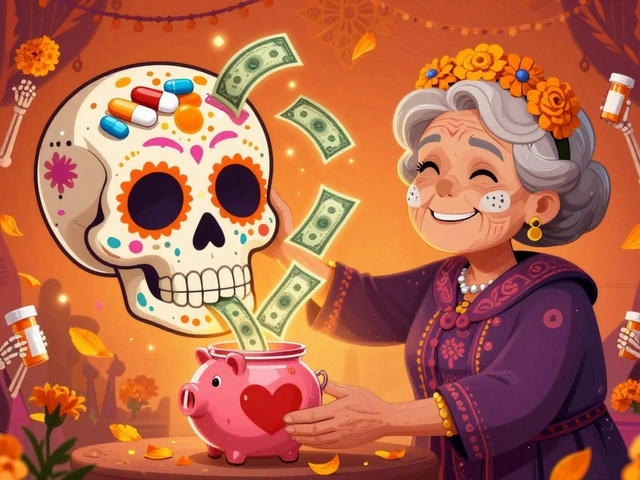
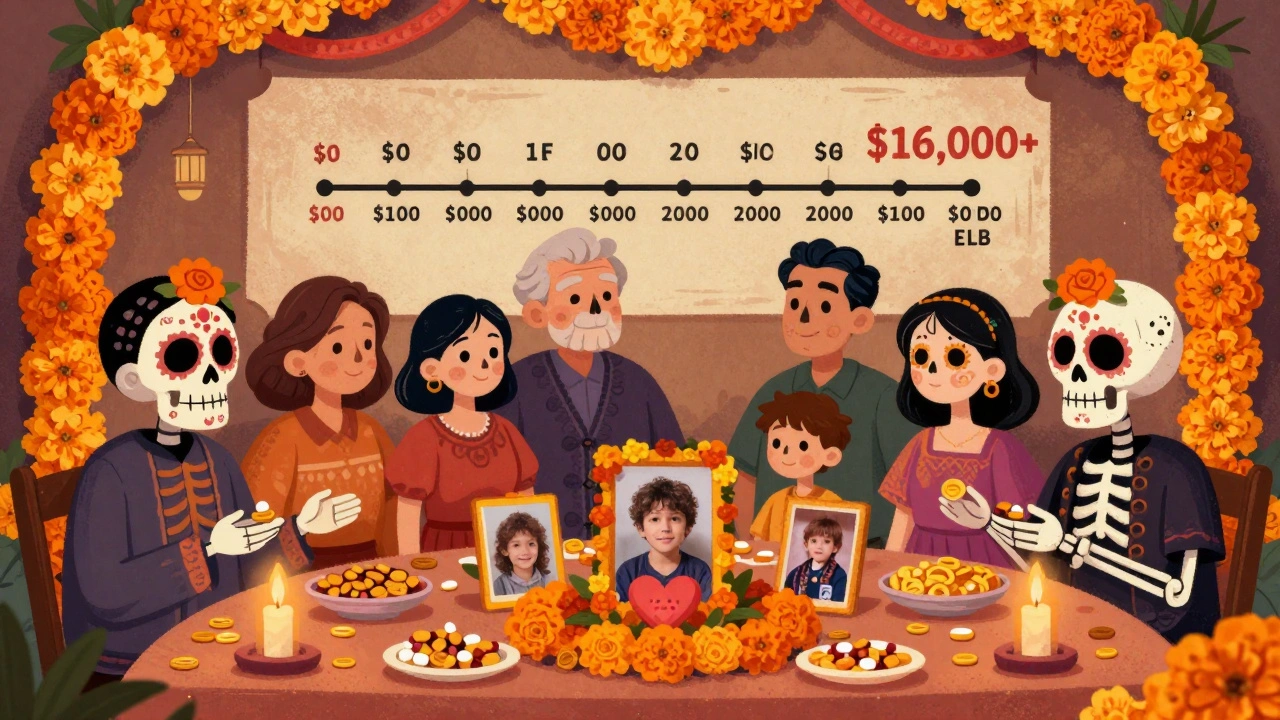
Let’s look at real numbers. Take a patient with hypertension. The brand-name drug Prinivil costs about $40 to $50 a month. The generic version, lisinopril, costs $4. That’s a $36 to $46 monthly saving. Over 10 years? That’s $4,320 to $5,520. Over 30 years? You’re looking at more than $16,000 saved-just on one medication.Same story with metformin for type 2 diabetes. Brand-name Glucophage? Around $150 a month. Generic metformin? $5 to $15. That’s $1,620 to $1,740 saved every year. Multiply that by 20 years? You’re talking about $32,000 to $35,000 in your pocket.
Even for complex conditions like asthma, the savings are dramatic. Brand-name Advair? Up to $300 a month. Generic fluticasone/salmeterol? $40 to $60. That’s $240 to $260 a month saved. Over a lifetime, that’s over $70,000.
And it’s not just the drugs themselves. When people can afford their meds, they take them. Studies show patients on generics are 18% to 22% more likely to stick with their treatment. That means fewer ER visits, fewer hospital stays, fewer complications. One study found that better adherence through generics reduced hospitalizations by 20% to 30%.
Why Don’t More People Use Generics?
If generics are so cheap and so effective, why do some still choose brand-name drugs?One reason? Misinformation. Many believe generics are "inferior"-that they’re made in lower-quality factories, or that they don’t work as well. The truth? The same companies that make brand-name drugs often make the generics too. The FDA inspects all manufacturing sites-brand and generic-with the same rigor. There’s no "cheap version" factory.
Another reason? Insurance. Some plans still push brand-name drugs first, even when a generic is available. Or they charge higher copays for generics because the pharmacy benefit manager hasn’t updated their formulary. Always ask your pharmacist: "Is there a generic version?" Don’t assume your doctor already knows.
And then there’s the placebo effect. Some patients swear their brand-name pill works better. But in double-blind studies, when patients were switched from brand to generic without knowing, their outcomes stayed identical. The difference was in their minds-not their medicine.

Generics Aren’t Just for Simple Conditions
A common myth is that generics only work for basic problems like heartburn or allergies. That’s not true. Generics are now used for some of the most complex, life-long conditions:- Heart failure: generic carvedilol, lisinopril
- Depression: generic sertraline, fluoxetine
- Rheumatoid arthritis: generic methotrexate, hydroxychloroquine
- Chronic kidney disease: generic enalapril, furosemide
- Even rare diseases: generic versions of orphan drugs are now being approved
Dr. Aaron Kesselheim from Harvard Medical School points out that generics are now treating some of the most complex and chronic diseases-including rare conditions. The science doesn’t change just because the price does.
How to Maximize Your Lifetime Savings
Here’s how to make sure you’re getting the most out of generics:- Ask every time. Even if you’ve been on a brand-name drug for years, ask your pharmacist or doctor if a generic is available. New generics hit the market all the time.
- Use Medicare Part D’s Medication Therapy Management (MTM) program. It’s free. Pharmacists review your entire list of meds and help you switch to cheaper, equally effective options.
- Check the FDA’s Orange Book. It lists approved generics and their brand-name equivalents. You can search it online for free.
- Use mail-order pharmacies. Many offer 90-day supplies of generics at lower prices than local pharmacies.
- Look for patient assistance programs. Even brand-name manufacturers sometimes offer coupons or discounts for generics if you’re struggling to pay.
One patient, a 68-year-old with diabetes and high blood pressure, switched from three brand-name drugs to generics. Her monthly cost dropped from $210 to $45. She started refilling her prescriptions on time. Her A1C dropped from 8.2 to 6.9. Her doctor said she’d avoided a stroke.
What’s Changing in 2025?
The landscape is shifting fast. The FDA’s Generic Drug User Fee Amendments (GDUFA) III, running through 2027, is speeding up approvals for complex generics-like inhalers, injectables, and combination drugs used for chronic conditions.The Inflation Reduction Act of 2022 capped insulin costs at $35 a month for Medicare patients. That’s a win. But the real savings come from generics beyond insulin. In 2023, more than $150 billion in brand-name drug sales will face generic competition over the next four years. That means even more options-and even more savings.
Biosimilars, the next wave of generic-like drugs for biologics (like Humira or Enbrel), are also hitting the market. They’re not exact copies, but they’re proven to work just as well at 15% to 40% less cost. Expect these to become standard for autoimmune and cancer treatments in the next five years.
What If You Don’t See a Generic?
Sometimes, no generic exists yet. That’s usually because the patent hasn’t expired. But don’t give up. Ask your doctor to check the patent status. Many patents expire earlier than expected due to legal challenges. You can also ask about therapeutic alternatives-sometimes another generic drug in the same class works just as well.For example, if you’re on a brand-name statin with no generic yet, your doctor might switch you to atorvastatin or rosuvastatin-both of which have generics and are equally effective.
Generics Don’t Just Save Money-They Save Lives
In India, when generic HIV drugs became widely available, treatment adherence jumped 40%. Mortality dropped by 25% in just a decade.In Brazil, government policies pushing generics for diabetes and hypertension cut healthcare costs by $1.2 billion a year and increased access by 35%.
Here in the U.S., generic drugs saved the system $338 billion in 2020 alone. Over the past decade, the total savings from generics? Nearly $2.4 trillion.
That’s not just numbers. That’s people who didn’t go bankrupt. People who didn’t skip doses. People who stayed out of the hospital. People who lived longer, healthier lives.
Chronic conditions don’t go away. But your out-of-pocket costs can. If you’re taking medicine every day for a long-term condition, you’re not just a patient-you’re an investor in your future. And generics? They’re the highest-return investment you’ll ever make.
Are generic drugs really as effective as brand-name drugs?
Yes. The FDA requires generics to prove they deliver the same amount of active ingredient into your bloodstream at the same rate as the brand-name version. This is called bioequivalence. Thousands of studies confirm that generics work just as well for conditions like high blood pressure, diabetes, asthma, and depression. The only differences are in inactive ingredients like fillers or dyes-none of which affect how the drug treats your illness.
Why do some people say generics don’t work for them?
In most cases, it’s not the drug-it’s perception. Some patients feel better on the brand because they believe it’s stronger. This is called the placebo effect. In clinical trials where patients didn’t know which version they were taking, outcomes were identical. Rarely, differences in inactive ingredients can cause minor reactions (like stomach upset), but these don’t mean the medicine isn’t working. Talk to your pharmacist if you notice changes after switching.
Can I switch from a brand-name drug to a generic anytime?
Yes, if a generic is available and your doctor approves it. Many pharmacies automatically substitute generics unless the prescription says "dispense as written" or "no substitution." Always check with your pharmacist before switching. If you’re on multiple medications, ask for a Medication Therapy Management (MTM) review-your pharmacist can help you switch safely and spot other savings.
Why are generics so much cheaper?
Brand-name drug companies spend billions on research, clinical trials, and marketing. Once the patent expires, other companies can make the same drug without those costs. They don’t need to repeat expensive trials-the FDA accepts the original data. That’s why generics cost 80% to 85% less. The savings come from eliminating duplication, not cutting corners.
Do insurance plans cover generics?
Yes-and they usually cover them better. Most insurance plans have lower copays for generics. Some even have $0 copays for certain generic drugs under Medicare Part D. Even if your plan doesn’t list it as preferred, you can still ask your pharmacist to submit a prior authorization or appeal. Many patients don’t realize they’re overpaying because they never ask.
Are there any conditions where generics aren’t recommended?
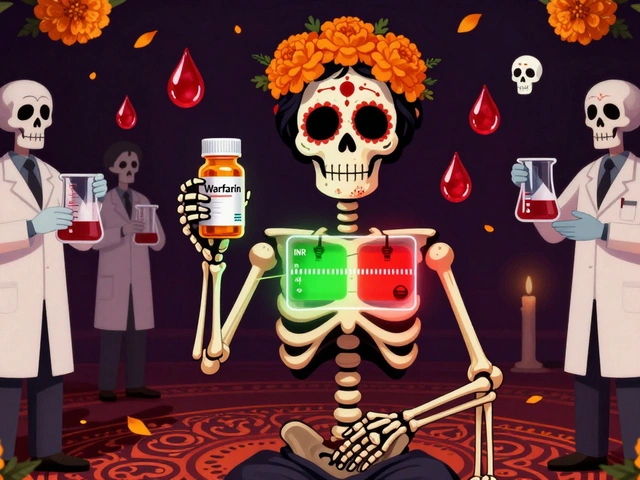
For nearly all chronic conditions, generics are not just recommended-they’re the standard of care. Exceptions are extremely rare and usually involve drugs with very narrow therapeutic windows (like warfarin or levothyroxine), where small differences in absorption matter. Even then, studies show most patients do fine switching. Your doctor or pharmacist will flag any case where substitution needs extra care.
How do I find out if a generic is available for my medication?
Ask your pharmacist first-they know what’s on the market. You can also search the FDA’s Orange Book online for free. Just enter the brand name, and it will show you all approved generic versions. If you’re on Medicare, your plan’s formulary list will also show which generics are covered and at what cost.
Next Steps: Start Saving Today
If you take any medication for a chronic condition, here’s what to do right now:- Write down every drug you take daily.
- Call your pharmacy and ask: "Is there a generic version for each of these?"
- If your doctor didn’t prescribe generics, ask why.
- Sign up for your insurer’s MTM program if you’re on Medicare.
- Check if your state offers a prescription assistance program.
You don’t need to wait for a new year or a new insurance plan. The savings are available today. And if you’re already taking a generic? Tell someone else. The more people who know, the more lives we save.