
When you hear generic drug, a medication that contains the same active ingredient as a brand-name drug but is sold under its chemical name. Also known as non-brand medication, it works the same way, has the same risks, and is held to the same FDA standards—you might think you’re getting a lesser version. But that’s not true. Generic drugs deliver the exact same clinical results as their brand-name cousins, often at a fraction of the cost. The only real difference? The price tag—and sometimes the color of the pill.
The biggest generic drug benefits, the financial and practical advantages of using FDA-approved generic medications instead of brand-name versions come down to one thing: competition. Once a brand-name drug’s patent expires, other manufacturers can make the same medicine. That’s when prices drop—fast. In fact, second and third generic manufacturers can slash prices by 50% or more. And if you’re lucky enough to get an authorized generic, a version made by the original brand company under a different label, identical in every way to the brand-name drug, you’re getting the exact same product for less. No cut corners. No hidden trade-offs. Just savings.
Some people worry about inactive ingredients in generics—things like fillers or dyes that don’t affect how the drug works but can trigger allergies in rare cases. That’s why it’s smart to check the label if you’ve had reactions before. But for most people, the only thing that changes is the cost. And that’s a big deal. A single prescription for a brand-name drug can cost hundreds. The generic? Often under $10. That’s not a small win—it’s life-changing for people managing chronic conditions like diabetes, high blood pressure, or depression.
And here’s the thing most people don’t realize: generic drugs aren’t just cheaper. They’re also the reason drug prices are falling across the board. When multiple companies make the same medicine, pharmacies start competing too. That’s why your local pharmacy might offer a $4 generic list. That’s why insurance companies push generics. That’s why millions of Americans can afford their meds at all.
Switching from brand to generic isn’t a compromise—it’s a smart upgrade. You get the same effectiveness, the same safety, and the same results. You just keep more money in your pocket. And if you’ve been told your medication "doesn’t work as well" as the brand? That’s not science. That’s marketing.
Below, you’ll find real-world guides on how to navigate generic switches, spot the best deals, understand why some generics cost more than others, and even how to ask your pharmacist for an authorized version without sounding like you’re questioning their judgment. These aren’t theory pieces. They’re tools you can use today to save money, avoid side effects, and take control of your treatment.
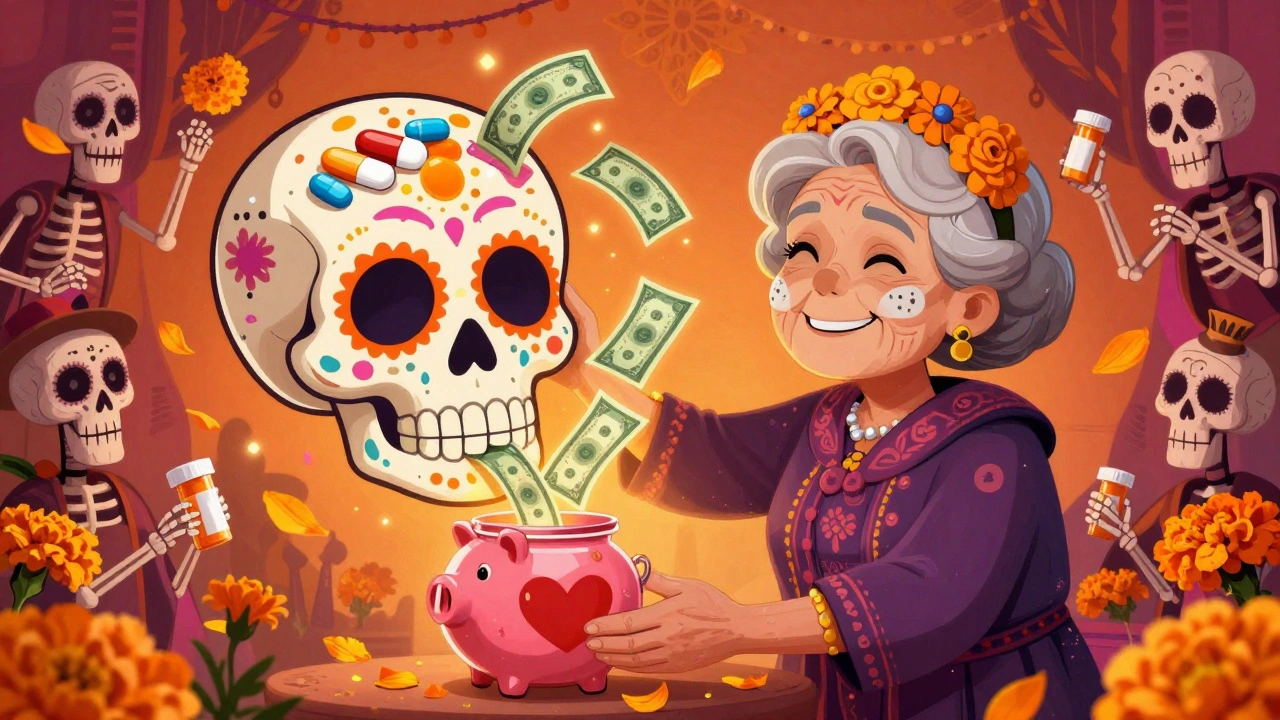
Generic medications can save patients thousands of dollars over a lifetime when managing chronic conditions like diabetes, hypertension, and asthma. Learn how generics work, why they’re just as effective, and how to maximize your savings.

As a blogger, I've recently come across the topic of the role of Clozapine in the management of psychotic depression. Clozapine, an atypical antipsychotic medication, is used to treat severe cases of this mental health disorder when other treatments have failed. Its unique properties help in alleviating both psychotic symptoms and depressive episodes. However, it's essential to be aware of the potential side effects and monitor blood levels closely while administering this medication. In conclusion, Clozapine plays a crucial role in managing psychotic depression, improving the quality of life for those who suffer from this challenging condition.

A side‑by‑side comparison of Nasonex with top nasal sprays, covering efficacy, onset, cost, and best‑use scenarios to help you choose the right allergy spray.
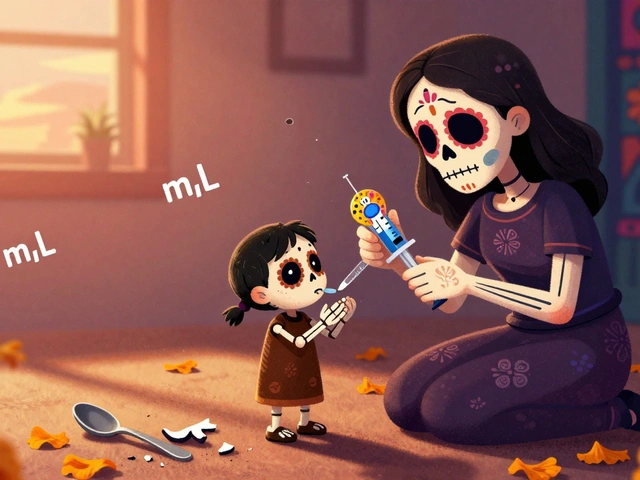
Using household spoons to dose children's medicine is dangerous and inaccurate. Learn why oral syringes and milliliter measurements are the only safe choice for kids' liquid medications.
As a blogger, I've recently delved into the role of surgery in treating Graves' disease. Surgery, specifically thyroidectomy, is one of the three primary treatment options for this condition, alongside medication and radioactive iodine therapy. It involves removing all or part of the thyroid gland, which can provide long-term relief from symptoms. Although it may not be the first choice for many patients, surgery can be especially beneficial for those with large goiters, pregnant women, or individuals who cannot tolerate other treatments. Overall, surgery plays a crucial role in Graves' disease treatment and can offer life-changing results for patients in specific circumstances.
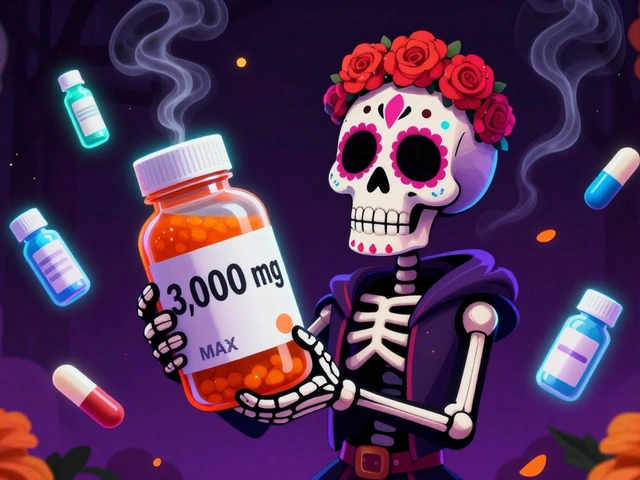
Debunking common medication safety myths with facts backed by CDC, FDA, and pharmacy data to help patients avoid dangerous errors and take their meds safely.