
Store brand OTC medications contain the same active ingredients as name brands but cost 80% less. Learn how to save money without sacrificing effectiveness, backed by FDA data and real user experiences.
Generic substitution in workers' compensation saves billions by replacing brand-name drugs with equally effective generics. Learn how it works, when it’s required, and what injured workers should know.

Cyclosporine and tacrolimus are essential for transplant patients but come with serious side effects like kidney damage, tremors, and diabetes. Learn how to manage them and what new options are emerging.
Learn the critical difference between serious and non-serious adverse events in clinical trials-and when each must be reported. Understand the six FDA criteria, avoid common mistakes, and ensure patient safety without overwhelming the system.
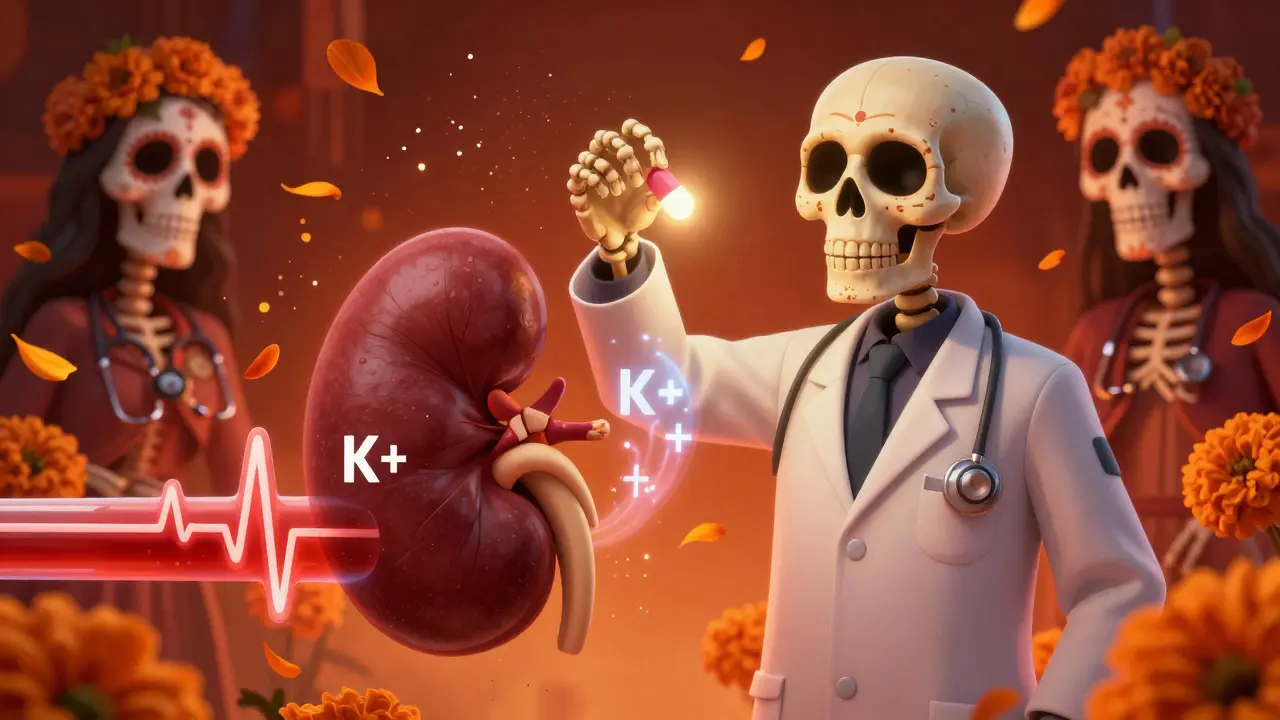
Trimethoprim, found in Bactrim and Septra, can cause dangerous spikes in potassium levels, especially in older adults and those on blood pressure meds. Learn who’s at risk, how fast it happens, and what to ask your doctor.

Grapefruit can dangerously raise statin levels in your blood, increasing the risk of muscle damage. Learn which statins are risky, how much grapefruit is safe, and what to do if you love citrus but need to lower cholesterol.

Learn how to reduce dust mites in your bedroom with proven methods: controlling humidity below 50%, washing bedding at 130°F, using allergen-proof encasements, and vacuuming with a HEPA filter. Say goodbye to morning allergies.

Anaphylaxis is a life-threatening allergic reaction that requires immediate epinephrine. Learn the warning signs, how to use an auto-injector correctly, why antihistamines won’t save you, and what to do after the shot.

Alopecia areata is an autoimmune condition causing sudden, patchy hair loss. Learn about its causes, clinical forms, and evidence-based treatments-including corticosteroid injections and FDA-approved JAK inhibitors like baricitinib and ritlecitinib.
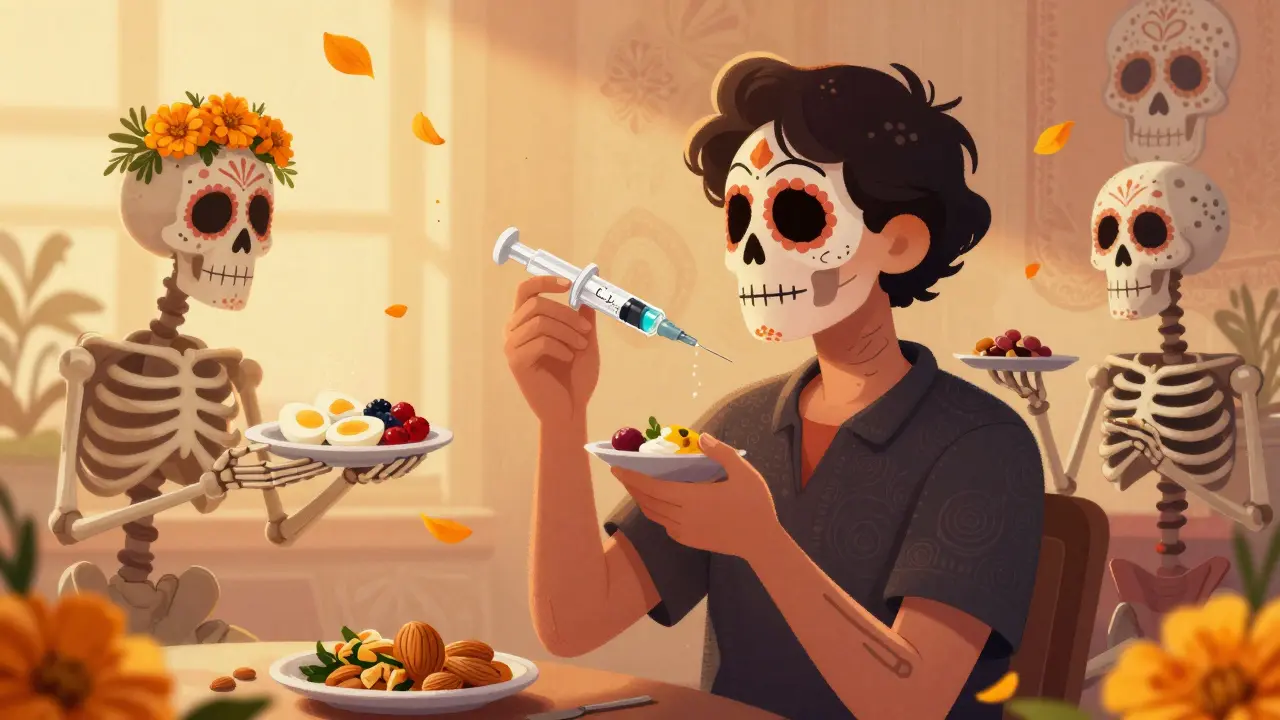
Learn how to manage nausea, vomiting, and other GI side effects from GLP-1 drugs like Ozempic and Wegovy with proven meal planning and dose titration strategies that help you stay on track and avoid quitting.

Expert guide on monitoring QT prolongation risks when using fluoroquinolones and macrolides. Learn about risk hierarchies, the Fridericia Formula, and ECG protocols.
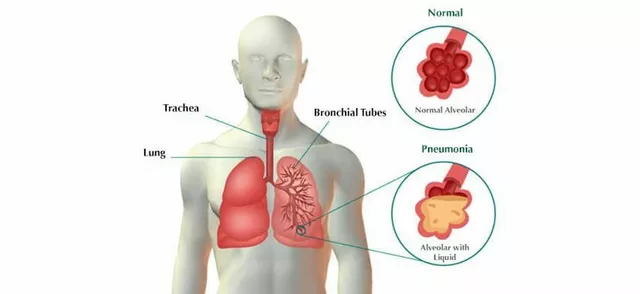
As a blogger, I want to share some important information about pneumonia and diabetes. Pneumonia is a serious infection that affects the lungs, and people with diabetes have a higher risk of developing it due to their weakened immune systems. It's crucial for diabetics to be aware of the symptoms, such as coughing, fever, and difficulty breathing, and seek medical attention promptly if they suspect pneumonia. Moreover, maintaining good blood sugar control and getting vaccinated for pneumonia can help prevent this dangerous infection. So, let's stay informed and take the necessary precautions to safeguard our health.
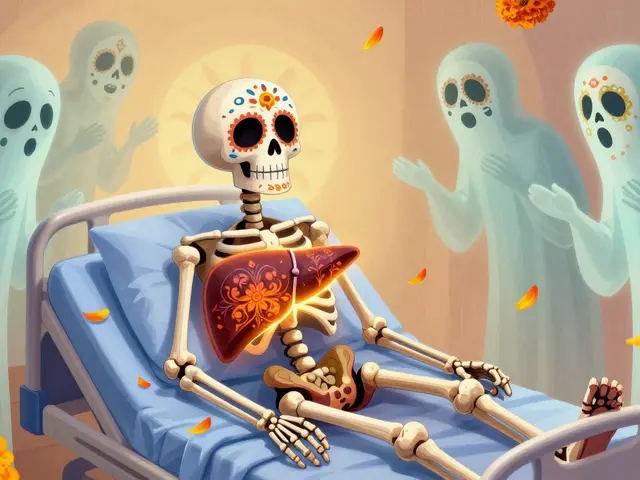
Liver transplantation is the only cure for end-stage liver disease. Learn who qualifies, what happens during surgery, and the lifelong commitment to immunosuppression that follows.
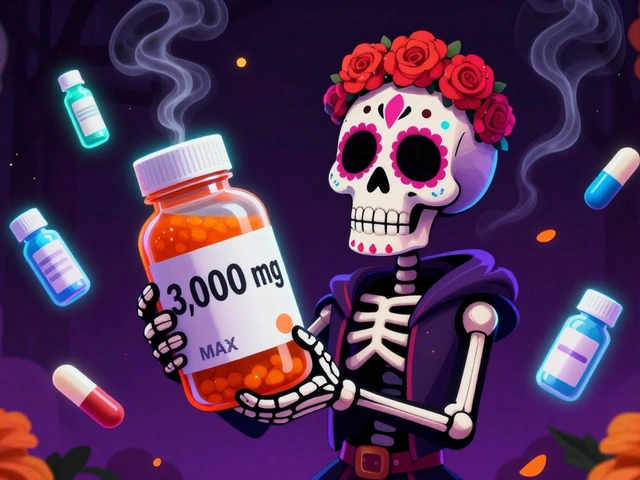
Debunking common medication safety myths with facts backed by CDC, FDA, and pharmacy data to help patients avoid dangerous errors and take their meds safely.

Cyclosporine and tacrolimus are essential for transplant patients but come with serious side effects like kidney damage, tremors, and diabetes. Learn how to manage them and what new options are emerging.