
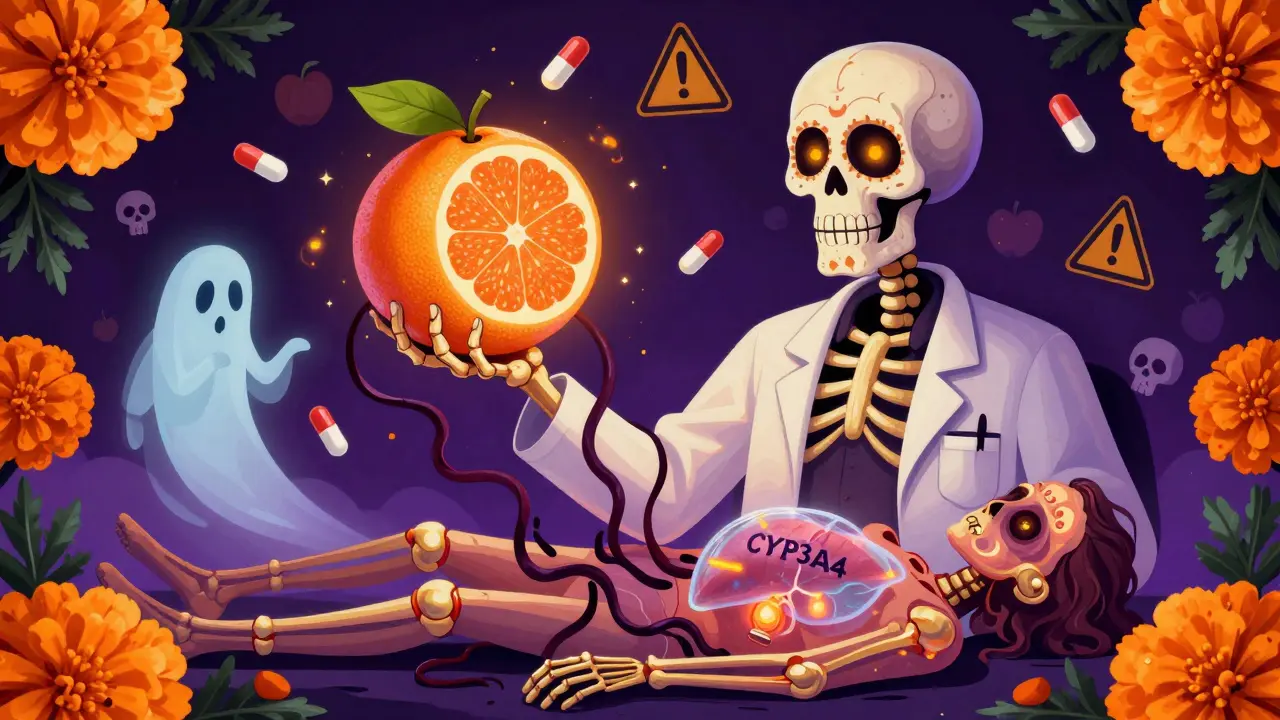
Grapefruit can dangerously increase statin levels in your blood, raising the risk of muscle damage and kidney failure. Learn which statins are affected, how to stay safe, and what to do if you love grapefruit.
Using two patient identifiers in the pharmacy prevents deadly medication errors by ensuring the right person gets the right drug. Learn how barcode systems, documentation, and disciplined verification save lives.
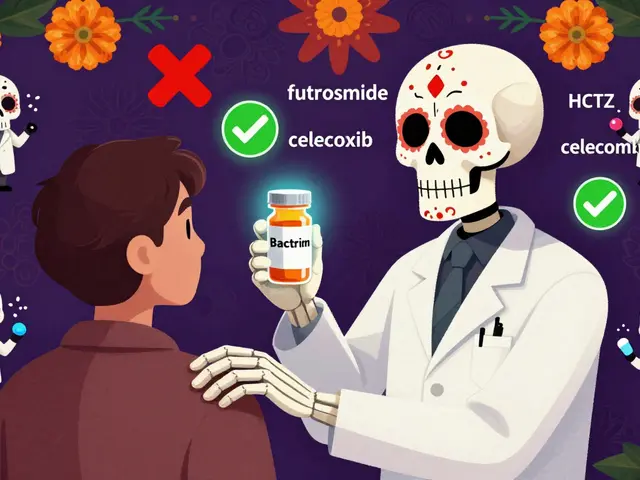
Many people wrongly avoid safe medications like blood pressure pills due to a misunderstood sulfa allergy. Learn the real risks, which drugs are truly dangerous, and how to fix your medical records.
Learn how to choose diabetes medications based on side effect profiles to improve adherence, avoid dangerous reactions, and match treatment to your health goals-without sacrificing blood sugar control.
As a dental health enthusiast, I recently learned about the fascinating connection between calcium acetate and dental health. Calcium acetate, a compound found in some dental products, helps to combat tooth decay and promote healthy gums. It works by neutralizing the acids in our mouth, which are responsible for breaking down tooth enamel. Additionally, calcium acetate aids in remineralizing our teeth, making them stronger and more resistant to cavities. Incorporating dental products containing calcium acetate into our oral hygiene routine can significantly improve our overall dental health.

Licorice root can make blood pressure medications less effective by raising sodium, lowering potassium, and increasing fluid retention. Even small amounts over time can lead to dangerous spikes in blood pressure. Know what to avoid and how to stay safe.