
When we talk about smoking, the act of inhaling tobacco smoke that delivers nicotine and thousands of chemicals into the lungs. Also known as tobacco use, it drives addiction, harms organs, and raises disease risk. Smoking is more than a habit; it’s a public‑health issue that touches many parts of life. It fuels nicotine addiction, a physiological and psychological dependence that keeps people reaching for the next cigarette. To break that cycle, most quit plans rely on nicotine replacement therapy, which delivers a controlled dose of nicotine without the combustion toxins. The relationship is clear: smoking contributes to addiction, addiction leads to continued use, and therapy offers a safer bridge to freedom. Another key link is between cardiovascular disease, a group of conditions affecting the heart and blood vessels, and the chemicals in cigarette smoke that damage artery walls and raise blood pressure. Because of these connections, cutting back or quitting can quickly lower the odds of heart attacks, strokes, and chronic lung problems.
Every puff sends tiny particles straight to the lungs, where they trigger inflammation and reduce oxygen exchange. Over time, that process leads to chronic obstructive pulmonary disease (COPD) and raises the chance of lung cancer. But the damage isn’t limited to the respiratory system. The same toxins enter the bloodstream, degrading the lining of arteries and making plaques form faster. That’s why cardiovascular disease is one of the most common outcomes of long‑term smoking. Even people who quit later in life see a drop in heart‑related risk within months, showing how reversible some effects are.
Beyond physical health, the social side of nicotine addiction matters. Friends, family, and work environments can either reinforce the habit or support a break. That’s why many successful quit journeys combine medication with counseling. Meds like bupropion, originally an antidepressant, also act on brain pathways that drive cravings, giving a double benefit. When paired with behavioral tips—like tracking triggers, planning distractions, and using nicotine replacement therapy patches or gum—the odds of staying smoke‑free rise dramatically. Below you’ll find articles that dive into specific drugs, compare therapy options, and explain how quitting improves heart health, lung function, and overall quality of life. Explore the collection to find the right mix of knowledge and tools for your personal quit plan.
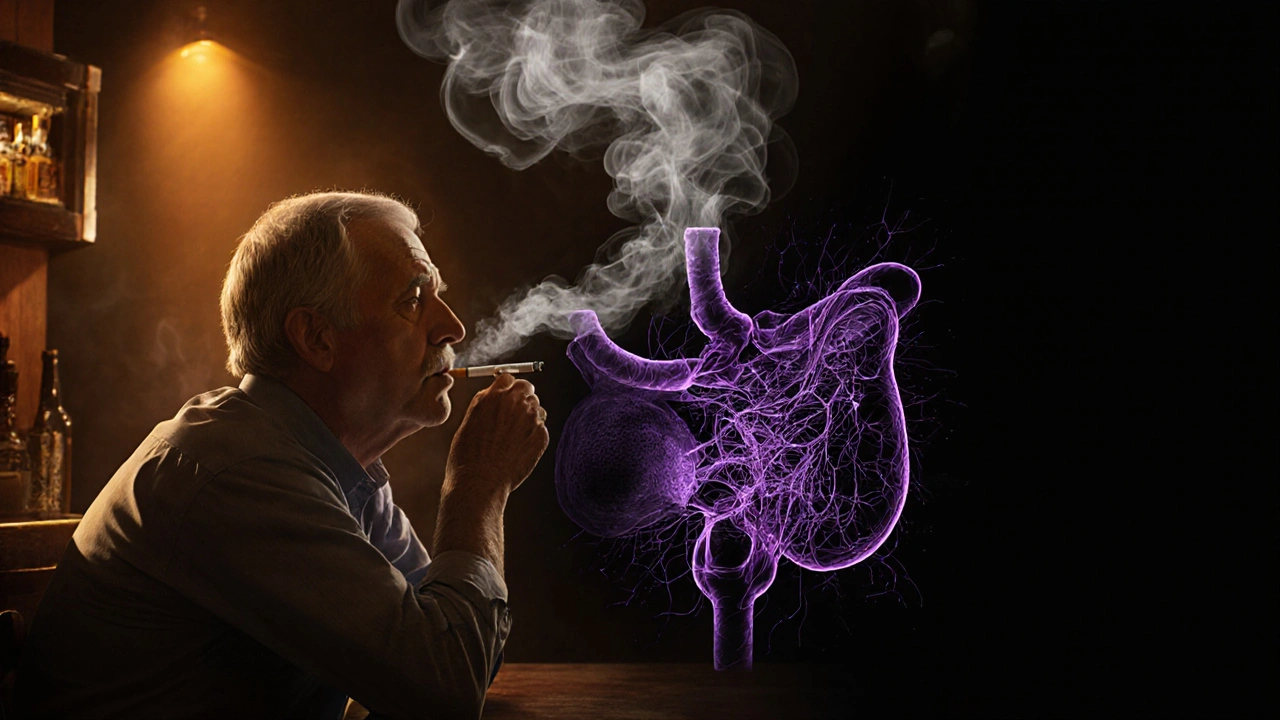
Explore how tobacco use fuels pancreatic cancer, the biological mechanisms, risk statistics, and steps to protect yourself.
FDA black box warnings are the strongest safety alerts for prescription drugs, signaling risks of death or serious injury. Learn what they mean, how they're issued, and what to do if your medication has one.

TNF inhibitors have transformed ankylosing spondylitis treatment by targeting the root cause of spine inflammation. Learn how these biologics reduce pain, improve mobility, and slow disease progression - and which patients benefit most.
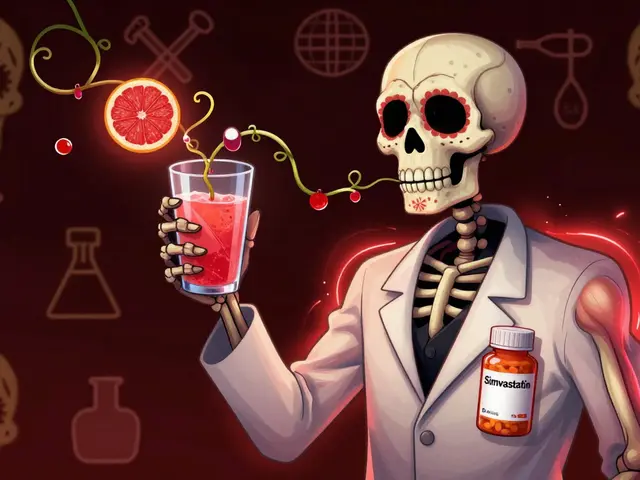
Grapefruit can dangerously raise statin levels in your blood, increasing the risk of muscle damage. Learn which statins are risky, how much grapefruit is safe, and what to do if you love citrus but need to lower cholesterol.

As a blogger who often experiences acute back pain, I was curious to find out if Methocarbamol could be an effective solution. After doing some research, I found that Methocarbamol is a muscle relaxant that can help relieve muscle spasms and pain from various musculoskeletal conditions. Some studies suggest that it may be effective in reducing acute back pain when used in combination with other pain relievers. However, the results are not entirely conclusive, and it's essential to consult with a healthcare professional before starting any new medication. Overall, Methocarbamol may be a helpful option for some individuals with acute back pain, but further research is needed to determine its true effectiveness.
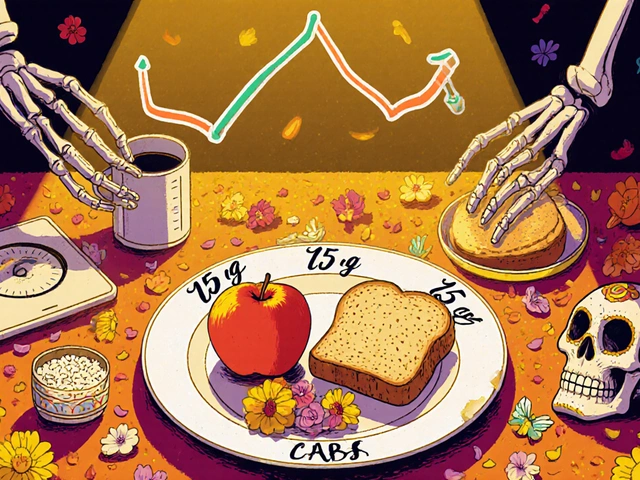
Learn how to count carbohydrates for diabetes management with this beginner-friendly guide. Understand carb servings, insulin ratios, reading labels, and avoiding common mistakes to take control of your blood sugar.