
When your liver stores too much fat, it’s not just a minor glitch—it’s a warning sign. This condition, known as nonalcoholic fatty liver disease, a buildup of fat in the liver not caused by alcohol, often linked to obesity, insulin resistance, and poor diet. Also known as NAFLD, it affects more than one in four adults worldwide and can progress to serious damage if ignored. The good news? Reverse fatty liver isn’t just possible—it’s common when you know what to do.
Unlike alcohol-related liver damage, NAFLD often flies under the radar because it doesn’t cause symptoms at first. But over time, fat buildup triggers inflammation, scarring, and eventually cirrhosis. What most people don’t realize is that this isn’t a life sentence. Studies show that losing just 5-10% of body weight can significantly reduce liver fat. And it’s not about extreme diets—it’s about swapping sugary drinks for water, cutting back on processed carbs, and eating more vegetables, nuts, and lean proteins. The liver is one of the few organs that can heal itself, and it responds fast when you give it the right signals.
What you eat matters more than you think. Foods high in fructose—like soda, candy, and even "healthy" granola bars—are major drivers of fat storage in the liver. Meanwhile, foods like coffee, olive oil, and fatty fish have been shown to reduce inflammation and improve liver function. Some people benefit from supplements like vitamin E or omega-3s, but only under a doctor’s guidance. The real game-changer? Movement. You don’t need to run marathons. Just 150 minutes of brisk walking a week can make a measurable difference in liver fat levels.
It’s not just about weight. Insulin resistance, high triglycerides, and high blood pressure often travel together with fatty liver. That’s why managing blood sugar and cholesterol isn’t optional—it’s part of reversing the condition. Many people find that switching to a low-carb or Mediterranean-style eating plan helps more than any medication ever could. And while there are no FDA-approved drugs specifically for NAFLD yet, newer treatments targeting liver inflammation are being tested, and some patients already benefit from off-label use of diabetes medications like GLP-1 agonists.
What you’ll find in the posts below isn’t theory—it’s real-world insight. From how generic medications can help manage related conditions like diabetes and high cholesterol, to how pharmacy consultations can catch dangerous drug interactions, to how diet and lifestyle changes actually work in practice—these articles give you the tools to take control. You won’t find fluff here. Just clear, practical steps backed by what works for real people trying to get their liver health back on track.

MAFLD is the most common liver disease worldwide-but it’s reversible. Learn how diet, exercise, and weight loss can heal your liver, what treatments actually work, and why most people don’t know they have it.
This in-depth article takes a close look at natural desiccated thyroid (NDT) and levothyroxine, two major treatments for hypothyroidism. It breaks down dosing differences, reviews real-life satisfaction among patients, and discusses who's most likely to benefit from each type. If you're wondering which thyroid medication may fit your needs—or you're simply curious about how these options stack up—read on for a straightforward, fact-packed comparison.
FDA black box warnings are the strongest safety alerts for prescription drugs, signaling risks of death or serious injury. Learn what they mean, how they're issued, and what to do if your medication has one.
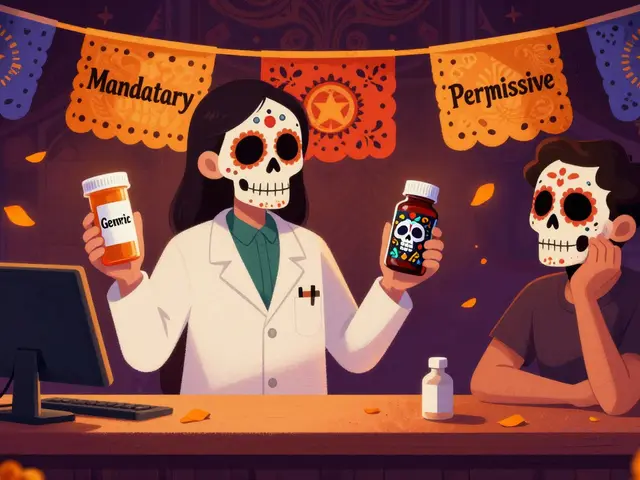
State laws on generic drug substitution vary widely across the U.S., affecting cost, safety, and pharmacist workload. Learn how mandatory vs. permissive rules, patient consent, biologic restrictions, and liability protections differ by state-and what it means for you.
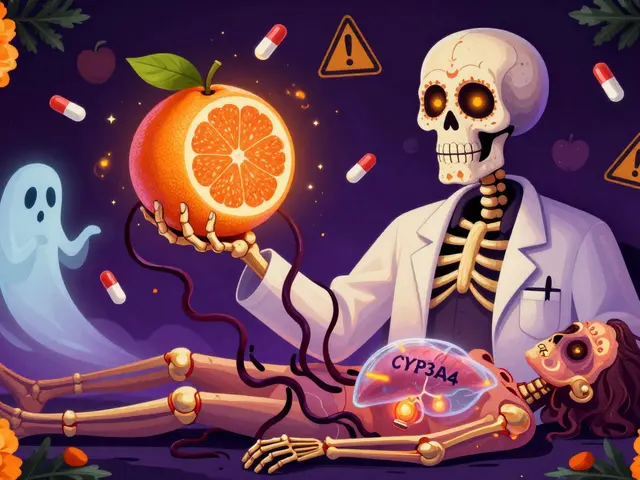
Grapefruit can dangerously increase statin levels in your blood, raising the risk of muscle damage and kidney failure. Learn which statins are affected, how to stay safe, and what to do if you love grapefruit.
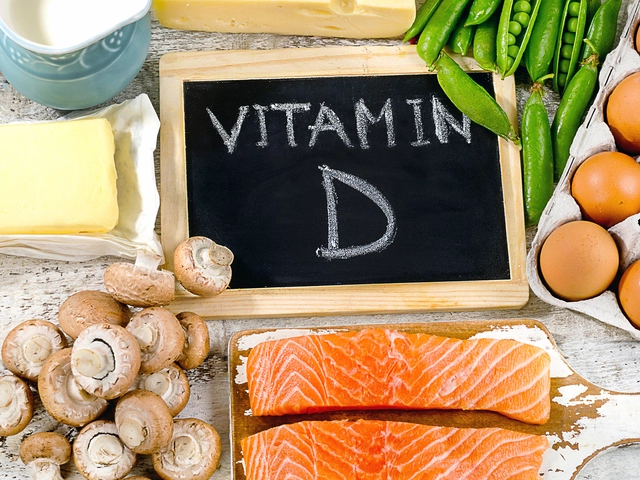
Hello there! In today's post, we're discussing a vital topic, which is the role of Alfacalcidol in preventing Rickets in children. It's crucial for us, as parents, to understand what exactly Alfacalcidol is and how it plays an integral role in strengthening our children's health. I'll be providing information about this amazing form of Vitamin D and highlighting how its timely administration can contribute significantly towards the prevention of rickets. Stay tuned for an insightful read!