
If you’ve seen the name Prometrium on a prescription label, it’s basically a brand of micronized progesterone. Doctors prescribe it for hormone balance, especially when estrogen alone isn’t enough. Typical reasons include supporting a luteal‑phase defect, treating menopausal symptoms, or helping with certain fertility protocols.
Progesterone is the hormone that prepares the uterine lining for pregnancy and keeps it stable during early gestation. When you take Prometrium, the body gets a steady dose of this natural hormone, which can reduce hot flashes, improve sleep, and lower the risk of endometrial overgrowth if you’re on estrogen therapy.
Besides menopause, many women use it after a miscarriage or during IVF cycles to mimic a healthy luteal phase. The tablets come in 100 mg or 200 mg strengths, so your doctor can match the dose to your specific needs.
Most people tolerate Prometrium well, but you should know the usual side effects: mild nausea, breast tenderness, and occasional dizziness. If you notice severe headaches, vision changes, or unexpected bleeding, call your doctor right away.
Don’t start this medication if you’re pregnant, have a history of blood clots, or have liver disease without medical guidance. Also, avoid mixing it with strong sedatives or certain antifungal drugs unless your physician says it’s safe.
When you first begin treatment, many providers suggest taking the dose at bedtime because progesterone can cause drowsiness. If you forget a dose, take it as soon as you remember—unless it’s almost time for the next one, then just skip the missed pill and continue normally.
Buying Prometrium online can be tempting, but only use pharmacies that require a valid prescription and verify their license. Look for sites that display a pharmacist’s contact info and have clear privacy policies. Cheap prices are great, but safety comes first.
If you’re curious about alternatives, generic micronized progesterone often costs less while delivering the same effect. Talk to your doctor about whether switching makes sense for you.
Bottom line: Prometrium can be a helpful tool for hormone balance when used correctly. Keep track of how you feel, stick to the prescribed schedule, and stay in touch with your healthcare provider to adjust the dose if needed.
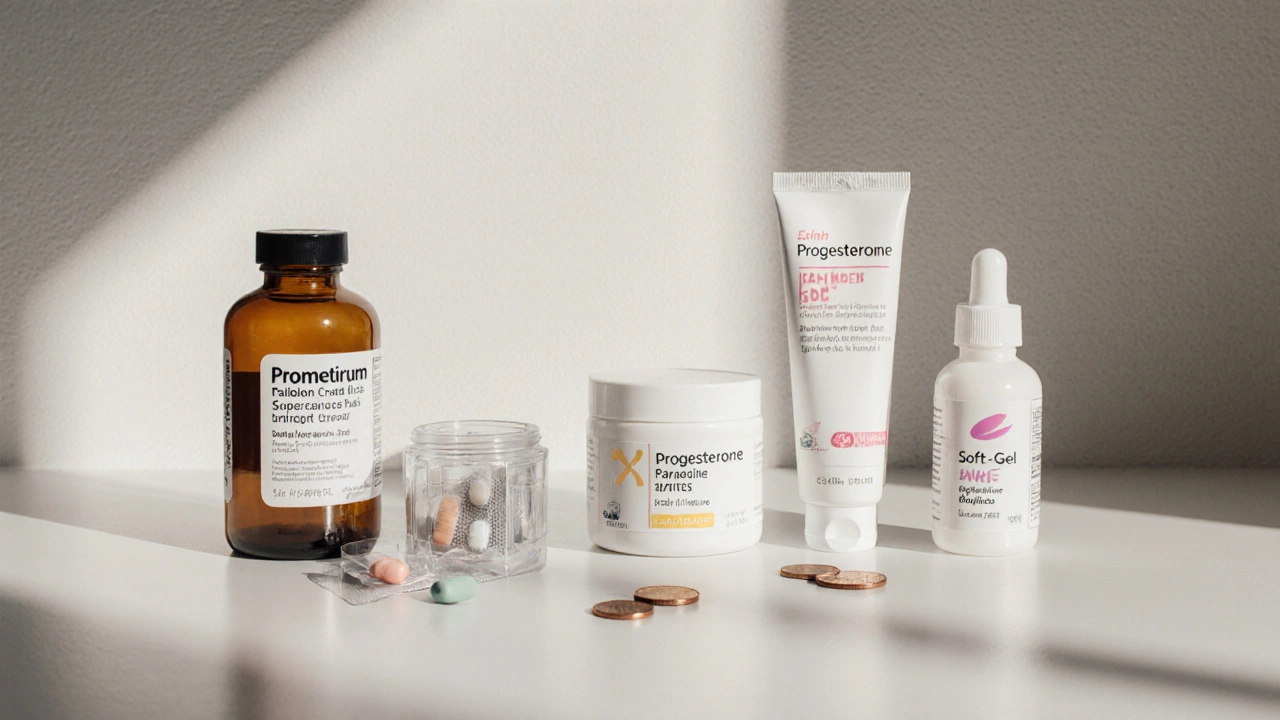
A clear, side‑by‑side comparison of Prometrium and its main alternatives, covering forms, dosing, costs, and how to choose the best progesterone option for your health needs.

Learn all about Prometrium, its uses, benefits, side effects, and practical tips for real-life hormone therapy. Everything you need in one place.

Partial onset seizures don't just affect the body-they deeply impact mental health, often leading to depression and anxiety. Learn how brain changes, medication side effects, and social stigma shape emotional well-being-and what actually helps.

Pharmacists play a critical role in catching problematic generic medications that can cause therapeutic failure or adverse effects. Learn when and how to flag unsafe substitutions, especially with narrow therapeutic index drugs.

Inflammation doesn’t always need a prescription pad and a bottle of steroids. This article dives deep into well-researched natural anti-inflammatories like curcumin, boswellia, omega-3s, and other botanicals. Learn how these alternatives function, their proven benefits, and practical tips for getting the most out of them—without the side effects of pharmaceuticals. Discover how you can harness the power of nature to tame inflammation and support your health.

Caffeine and ADHD medications like Adderall can seem like a helpful combo, but they carry serious risks including anxiety, heart strain, and crashes. Learn how to safely manage this interaction-or avoid it altogether.

Learn how switching to an authorized generic can improve medication safety and reduce side effects compared to regular generics - and how to make sure you get the right version at the right price.