
When you take phenytoin, a long-used anticonvulsant medication primarily prescribed to control seizures. Also known as Dilantin, it works by calming overactive nerve cells in the brain that cause seizures. It’s not a new drug—doctors have been using it since the 1930s—but that doesn’t mean it’s simple. Phenytoin has a narrow window where it works well and where it becomes dangerous. Too little, and seizures won’t stop. Too much, and you risk dizziness, confusion, or even life-threatening toxicity.
This is why knowing about drug interactions, how other medications can change how phenytoin behaves in your body is critical. Many common drugs—from antibiotics to heart medications—can either make phenytoin less effective or push it into toxic levels. The CYP450 enzymes, a group of liver proteins responsible for breaking down most drugs are especially involved. If another drug blocks or speeds up these enzymes, your phenytoin level can swing dangerously. Even something as simple as switching to a different generic version can cause problems because of tiny differences in how the drug is absorbed.
People on phenytoin also need to watch for long-term side effects. Gums can swell, bones can weaken over time, and skin rashes sometimes signal a serious reaction. It’s not just about taking the pill—you need regular blood tests to check levels and make sure your liver and blood cells are okay. Many patients don’t realize that phenytoin can affect their mood, memory, or coordination, and those changes often get blamed on stress or aging. But they might be signs the dose needs adjusting.
If you’re on phenytoin, you’re likely managing epilepsy, a seizure disorder, or sometimes nerve pain. You’ve probably already learned how to live with the condition—but now you need to learn how to live with the medicine. The posts below cover exactly that: how phenytoin interacts with other drugs, why generic versions aren’t always interchangeable, what to do if you feel off, and how to avoid dangerous mistakes that even experienced patients make. You won’t find fluff here—just real, practical advice from people who’ve been there and doctors who’ve seen the consequences when things go wrong.
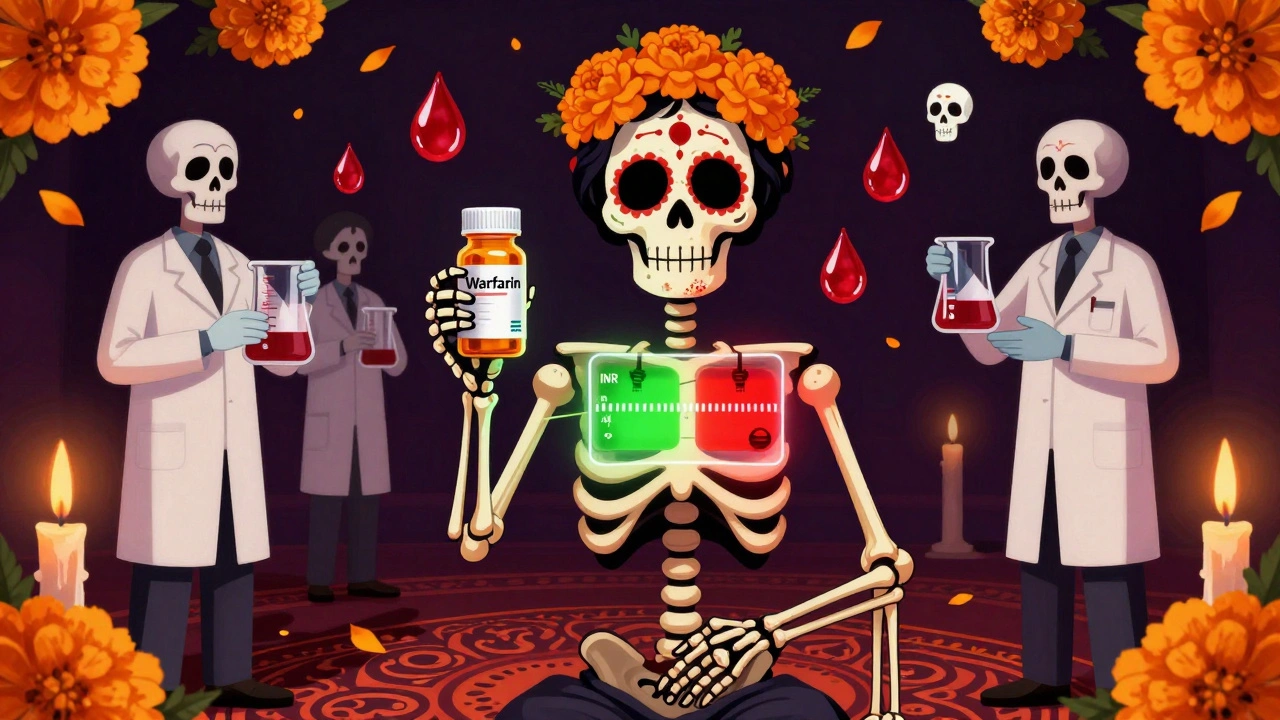
Studies show that switching generic versions of narrow therapeutic index (NTI) drugs like warfarin, phenytoin, and cyclosporine can lead to dangerous fluctuations in drug levels. Learn what the evidence says and how to protect yourself.

PCI and CABG are two proven treatments for blocked heart arteries. Learn how doctors decide which one is right for you based on diabetes, blockage complexity, and long-term outcomes.

As a blogger, I've recently been researching the connection between Tamsulosin and dental health, and I'd like to share some key points with you all. Tamsulosin is a medication commonly used to treat benign prostatic hyperplasia (BPH), and it has been found to potentially impact dental procedures. One significant concern is the risk of increased bleeding during dental surgery, which may require dentists to take additional precautions. Individuals taking Tamsulosin should always inform their dentist about their medication history to ensure safe and effective dental care. Ultimately, understanding the link between Tamsulosin and dental health is essential for both patients and dental professionals.

Learn how to safely buy cheap generic Levofloxacin (Levaquin) online, verify licensed pharmacies, compare prices, and avoid counterfeit risks.

A detailed look at Flunil (Fluoxetine) compared with other antidepressants. Learn mechanisms, dosing, side‑effects, cost and how to pick the right option for you.
Clinical evidence shows generic drugs are just as safe and effective as brand-name drugs for most people. Learn when generics work, when to be cautious, and what to do if you notice a difference after switching.