

Learn how to manage panic attacks with proven breathing, grounding, and medication strategies. This action plan helps reduce frequency, shorten episodes, and regain control during panic moments.

A practical comparison of Inderal (Propranolol) with top beta‑blocker alternatives, covering uses, dosing, side effects, and how to choose the right medication for your health needs.

A practical guide for families coping with neuroblastoma, offering clear strategies to support siblings emotionally, maintain routine, and access professional resources.

MAFLD is the most common liver disease worldwide-but it’s reversible. Learn how diet, exercise, and weight loss can heal your liver, what treatments actually work, and why most people don’t know they have it.
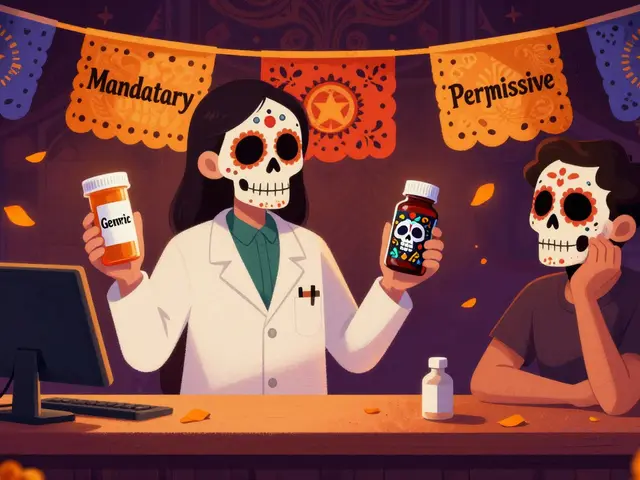
State laws on generic drug substitution vary widely across the U.S., affecting cost, safety, and pharmacist workload. Learn how mandatory vs. permissive rules, patient consent, biologic restrictions, and liability protections differ by state-and what it means for you.

OTC sleep aids like diphenhydramine and melatonin offer minimal sleep benefits but carry serious risks including dementia, falls, and rebound insomnia. Learn safe limits and better alternatives.