
When we talk about NAFLD, nonalcoholic fatty liver disease, a condition where fat builds up in the liver without heavy alcohol use. Also known as fatty liver, it affects nearly one in three adults in the U.S.—and most don’t even know they have it. Unlike alcohol-related liver damage, NAFLD creeps in quietly, often tied to weight gain, high blood sugar, and insulin resistance. It’s not just a liver issue—it’s a sign your body’s metabolism is out of balance.
NAFLD isn’t one thing. It starts as simple fat buildup—nonalcoholic fatty liver, the earliest stage, often harmless if caught early—but can turn into NASH, nonalcoholic steatohepatitis, where inflammation and liver cell damage begin. Left unchecked, NASH can lead to scarring, cirrhosis, or even liver cancer. The real danger? It often has no symptoms until it’s advanced. Blood tests might show high liver enzymes, but many people only find out after a routine ultrasound or when they’re tested for metabolic syndrome, a cluster of conditions including high blood pressure, belly fat, high triglycerides, and insulin resistance.
Here’s what actually moves the needle: losing 5-10% of your body weight can cut liver fat in half. Cutting back on sugar, especially fructose in sodas and processed snacks, helps more than any supplement. Exercise—even walking 30 minutes a day—lowers liver fat and improves insulin sensitivity. Medications aren’t the first line of defense yet, but drugs targeting insulin resistance and inflammation are being studied. The good news? NAFLD is one of the few liver diseases you can reverse, especially if you act before scarring sets in.
What you’ll find below are real, practical posts about how NAFLD connects to diabetes meds, why generics matter for long-term management, how to spot misleading health claims about liver supplements, and what lifestyle changes actually work. No fluff. No hype. Just what you need to understand your liver—and protect it.

MAFLD is the most common liver disease worldwide-but it’s reversible. Learn how diet, exercise, and weight loss can heal your liver, what treatments actually work, and why most people don’t know they have it.
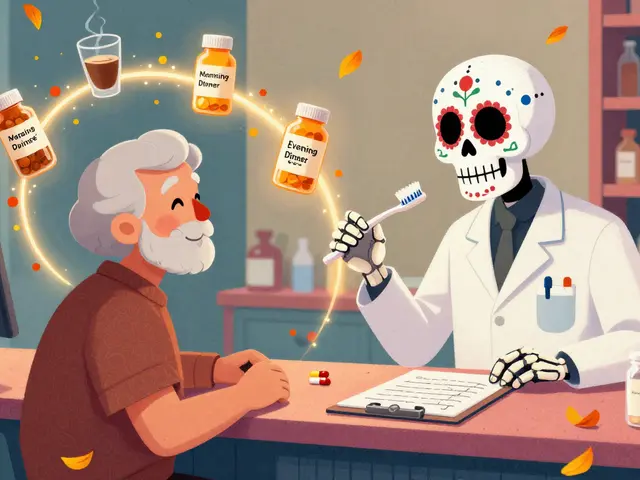
Learn how to build a personalized medication action plan with your care team to improve adherence, avoid side effects, and reduce hospital visits. A clear, simple plan makes managing multiple meds easier and safer.

In my recent dive into medical research, I stumbled upon a controversial topic: the potential link between Amlodipine, a common high blood pressure medication, and cancer. Several studies have surfaced suggesting a possible association, but the evidence is inconsistent and not yet fully understood. It's essential to remember that correlation does not imply causation, so while this topic definitely warrants further research, there's no need for panic. If you're currently taking Amlodipine, don't stop or change your medication without first discussing it with your doctor. Stay tuned as I continue to monitor this ongoing discussion.

Cut through the confusion of online Tofranil shopping. Here’s what you really need to know to buy antidepressants online, stay safe, and avoid scams.
Magnesium supplements can block the absorption of osteoporosis medications like Fosamax and Actonel. Learn the two-hour timing rule to protect your bone health and avoid treatment failure.
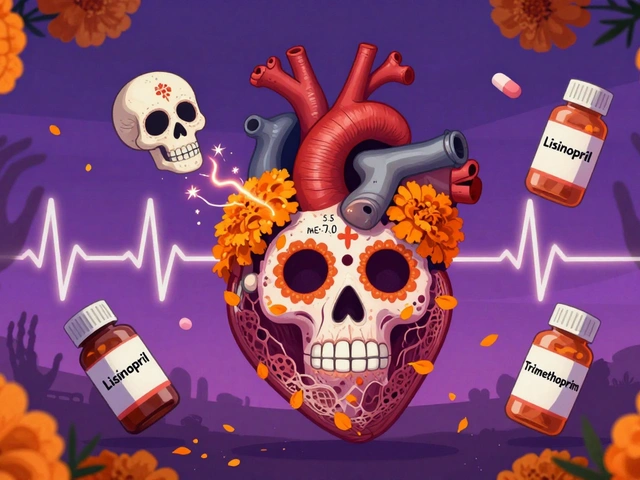
High potassium from common heart and kidney meds can trigger life-threatening heart rhythms. Learn how medications cause hyperkalemia, the silent warning signs, and how new treatments let you stay on life-saving drugs safely.