
When you’re taking five or more medications, MTM services, a structured program where pharmacists review your full medication list to prevent harm and improve outcomes. Also known as medication therapy management, it’s not just a checkup—it’s a safety net for people drowning in pills. Think of it like a mechanic looking under the hood of your car, but for your body. They don’t just check if the drugs are working—they look for clashing ingredients, duplicate prescriptions, and side effects you didn’t even know were linked.
MTM services aren’t just for seniors. They help anyone on polypharmacy, the use of multiple medications at once, often without clear evidence that all are needed. A 2022 study found that nearly 40% of adults over 65 take five or more drugs, and over half of them are at risk for dangerous interactions. That’s where MTM steps in. Pharmacists spot things doctors miss—like how your blood pressure pill and your painkiller both raise your potassium levels, or how your antidepressant makes your diabetes drug less effective. These aren’t edge cases. They’re everyday risks.
It’s not about cutting meds blindly. MTM services are about drug interactions, harmful or reduced effects when two or more medications are taken together—and finding smarter ways to manage them. For example, if you’re on a beta-blocker and a calcium channel blocker, the pharmacist checks which one you’re using. Verapamil with a beta-blocker? That’s a red flag. They also flag hidden dangers, like how your generic pain reliever might have a different filler that triggers your allergy, or how your alcohol use makes your liver struggle with your cholesterol med. These aren’t guesses. They’re based on real data, your history, and what you actually tell them.
MTM services connect directly to the real-world problems you see in posts about diabetes meds, mental health cocktails, and transplant drugs. They’re the reason someone on Requip for Parkinson’s doesn’t end up with sudden dizziness from a new sleep aid. They’re why a person on atazanavir for HIV knows their workplace rights aren’t just legal jargon—they’re protection. And they’re why someone taking allopurinol for gout learns alcohol isn’t just a bad idea—it’s a medical risk.
You don’t need to be sick to need MTM. You just need to be taking more than a few pills. And if you’ve ever wondered why you feel worse after adding a new med, or why your doctor never asked about your supplements, that’s exactly what MTM fixes. Below, you’ll find real stories from people who’ve been there—how they cut down on pills, avoided hospital visits, and finally got their health back on track. No fluff. Just what works.

Learn how to use your pharmacy's consultation service to prevent dangerous drug interactions, save money, and improve medication adherence. A proven safety tool most patients don't know about.
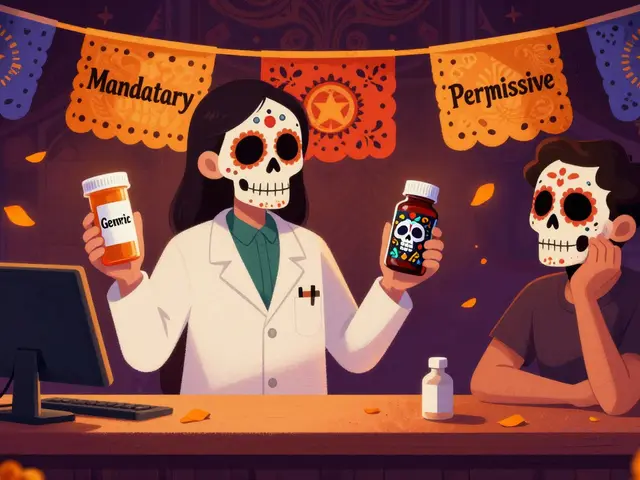
State laws on generic drug substitution vary widely across the U.S., affecting cost, safety, and pharmacist workload. Learn how mandatory vs. permissive rules, patient consent, biologic restrictions, and liability protections differ by state-and what it means for you.
Using two patient identifiers in the pharmacy prevents deadly medication errors by ensuring the right person gets the right drug. Learn how barcode systems, documentation, and disciplined verification save lives.
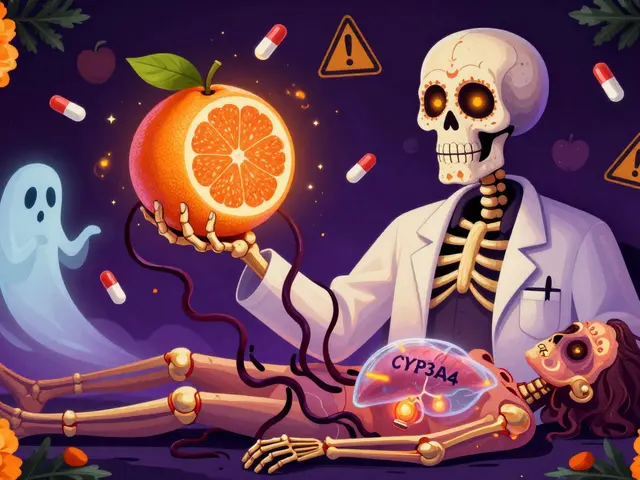
Grapefruit can dangerously increase statin levels in your blood, raising the risk of muscle damage and kidney failure. Learn which statins are affected, how to stay safe, and what to do if you love grapefruit.
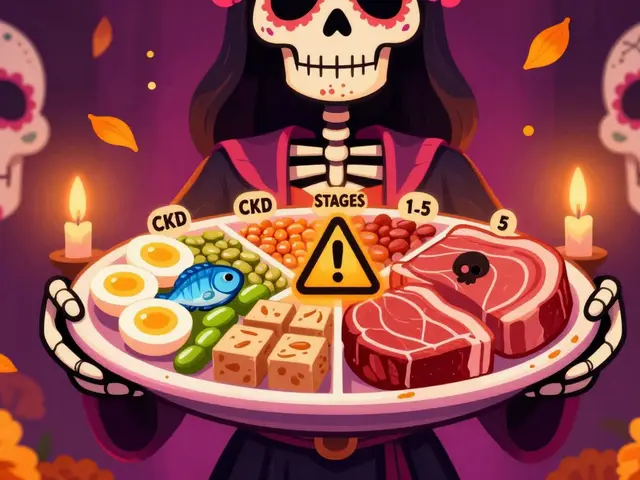
Learn the correct protein targets for each stage of chronic kidney disease, how plant vs. animal protein affects kidney health, and practical ways to follow a kidney-friendly diet without losing muscle or quality of life.

As a blogger, I recently delved into understanding the cost-effectiveness of abiraterone in prostate cancer treatment. What I've discovered is that abiraterone has shown promising results in improving the survival rate and quality of life for patients with advanced prostate cancer. However, the high cost of this treatment may limit its accessibility for many patients. It's crucial for healthcare systems and insurance providers to consider the balance between the benefits and costs of abiraterone to maximize its potential. Overall, I believe it's essential to continue researching more cost-effective alternatives while advocating for better financial support for those who need this life-saving treatment.