
When you take a pill, you expect it to help—not hurt. But medication errors, mistakes in prescribing, dispensing, or taking drugs that can lead to harm. Also known as drug errors, they’re one of the leading causes of preventable harm in healthcare. These aren’t just about wrong doses. They include taking the wrong drug, mixing pills that shouldn’t be mixed, missing doses, or even not knowing what your meds are for. And they happen everywhere: at the pharmacy, in the hospital, or right on your kitchen counter.
One big reason? generic medications, lower-cost versions of brand-name drugs that contain the same active ingredient. Also known as generic drugs, they’re safe and effective—but they sometimes have different inactive ingredients that can trigger reactions in sensitive people. That’s why knowing what’s actually in your pill matters. Another major risk comes from drug interactions, when two or more medications react in a way that changes their effect. Also known as medication interactions, they can turn a helpful treatment into a dangerous one. Mixing alcohol with certain painkillers, antidepressants, or blood pressure meds can cause dizziness, liver damage, or even death. And if you’re on five or more drugs—common for older adults or people with chronic conditions—the chances of a bad mix go up fast.
You don’t have to guess your way through this. pharmacy consultation, a free service where pharmacists review your full list of meds to catch problems. Also known as medication therapy management, it’s a tool most people never use—despite being proven to cut hospital visits by up to 30%. Pharmacists see what doctors miss. They spot duplicate prescriptions, check for allergies, and warn you about foods or supplements that interfere with your drugs. And they do it without a referral or extra cost.
Most medication errors aren’t caused by bad doctors or careless pharmacists. They’re caused by complexity, rushed appointments, and patients not knowing how to ask the right questions. Did you know that nearly half of all adults don’t understand their prescription instructions? Or that 1 in 3 seniors take at least one drug they shouldn’t? You don’t need to be a medical expert to protect yourself. You just need to know what to look for.
The posts below cover real cases, real mistakes, and real fixes. You’ll find how switching to an authorized generic can reduce side effects, why inactive ingredients in generics can trigger reactions, how alcohol and prescription drugs can interact dangerously, and how a simple pharmacy consultation can prevent a hospital trip. You’ll also see how psychiatric polypharmacy, insulin pump settings, and diabetes meds can go wrong—and how to make them right. These aren’t theoretical warnings. They’re stories from people who’ve been there—and found ways out.
Learn to read medication labels safely. This guide explains FDA requirements, the difference between prescription and OTC labels, and how to avoid dangerous dosing errors.
Using two patient identifiers in the pharmacy prevents deadly medication errors by ensuring the right person gets the right drug. Learn how barcode systems, documentation, and disciplined verification save lives.
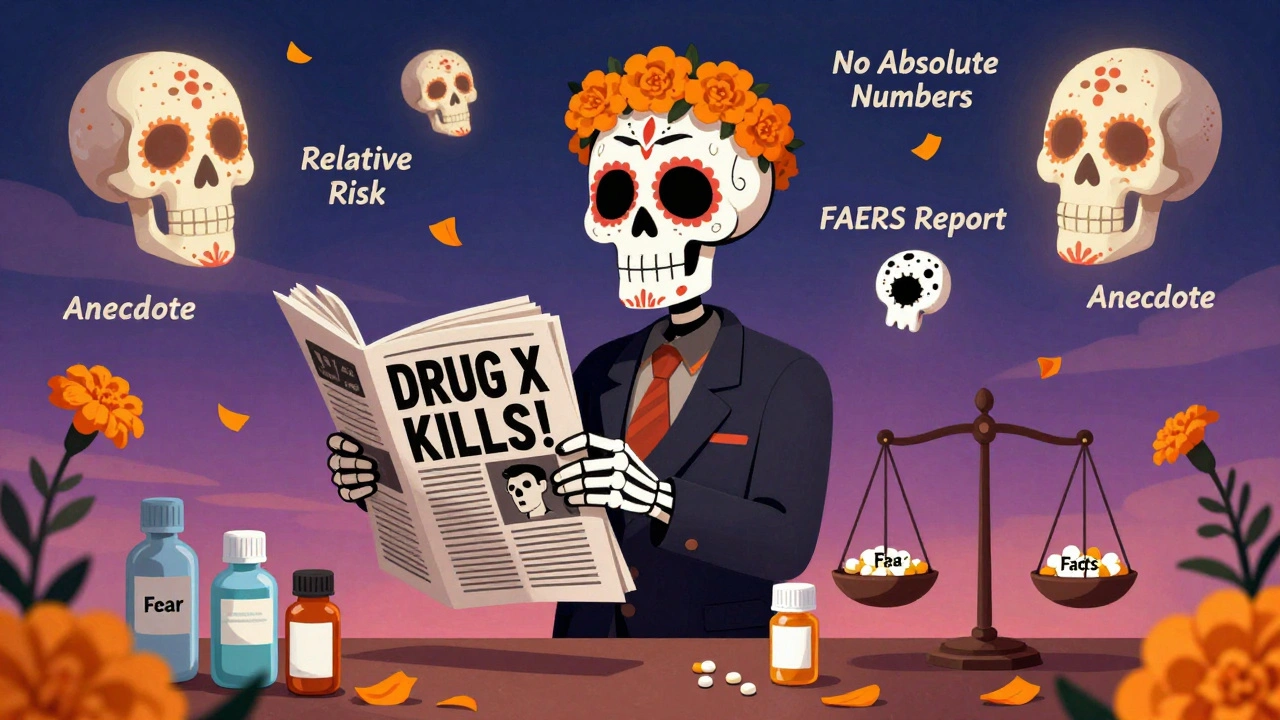
Learn how to spot misleading media reports about drug safety by checking study methods, understanding risk numbers, and verifying sources. Don't let sensational headlines scare you into stopping your medication.
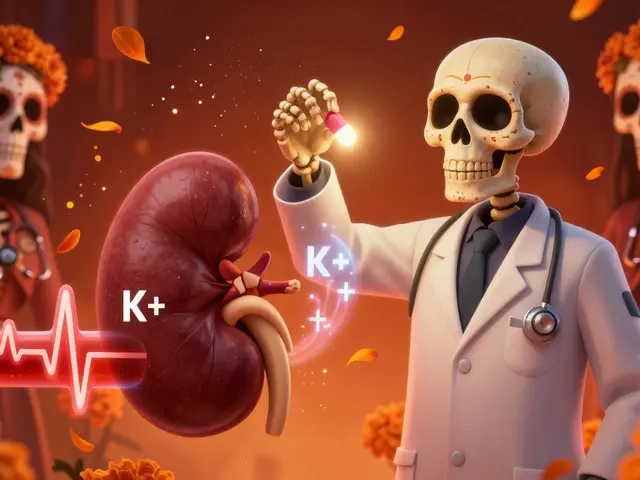
Trimethoprim, found in Bactrim and Septra, can cause dangerous spikes in potassium levels, especially in older adults and those on blood pressure meds. Learn who’s at risk, how fast it happens, and what to ask your doctor.
Learn how switching to an authorized generic can improve medication safety and reduce side effects compared to regular generics - and how to make sure you get the right version at the right price.

In my recent deep dive into the workings of Ornidazole, I found that it operates as an effective antibacterial and antiprotozoal medication. It primarily fights against infections by damaging the DNA of the pathogenic microorganisms, preventing them from reproducing or spreading further. Ornidazole selectively targets and enters bacterial cells, then interferes with their genetic material. This intricate process ultimately leads to the death of the bacteria or protozoa, effectively treating the infection. With its unique mechanism, Ornidazole is a powerful tool in our medical arsenal.
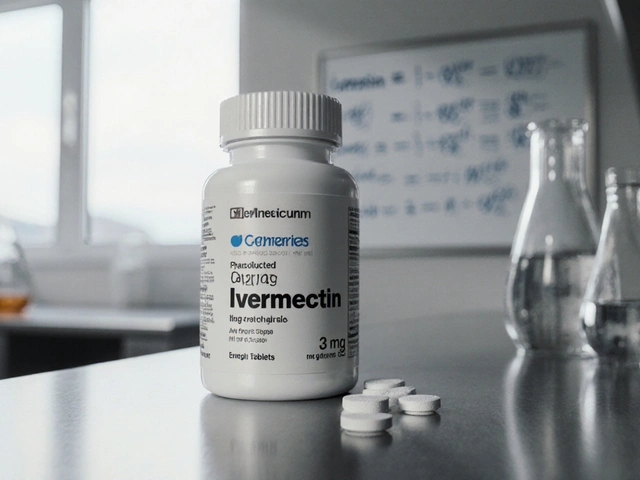
Learn how to safely purchase cheap generic ivermectin online in 2025, with price checks, pharmacy verification steps, and a detailed FAQ.

As a dental health enthusiast, I recently learned about the fascinating connection between calcium acetate and dental health. Calcium acetate, a compound found in some dental products, helps to combat tooth decay and promote healthy gums. It works by neutralizing the acids in our mouth, which are responsible for breaking down tooth enamel. Additionally, calcium acetate aids in remineralizing our teeth, making them stronger and more resistant to cavities. Incorporating dental products containing calcium acetate into our oral hygiene routine can significantly improve our overall dental health.