
When doctors talk about MAFLD, Metabolic Dysfunction-Associated Fatty Liver Disease, a condition where excess fat builds up in the liver due to metabolic issues like insulin resistance and obesity. Also known as metabolic fatty liver, it’s no longer seen as just a side effect of being overweight—it’s a systemic disease tied to how your body processes sugar and fat. Unlike old labels like NAFLD, MAFLD doesn’t wait for you to rule out alcohol use. It focuses on what’s actually driving the problem: high blood sugar, belly fat, and abnormal cholesterol levels.
This shift matters because it changes how you think about treatment. You don’t just need to lose weight—you need to fix your metabolism. That means understanding how insulin resistance, a condition where your cells stop responding properly to insulin, forcing your pancreas to pump out more and raising blood sugar feeds fat storage in your liver. It’s why people with type 2 diabetes, prediabetes, or polycystic ovary syndrome are at higher risk. And it’s why medications like SGLT2 inhibitors and GLP-1 receptor agonists, originally for diabetes, are now showing real benefits for the liver too. These drugs don’t just lower blood sugar—they reduce liver fat, inflammation, and even scarring over time.
MAFLD doesn’t always cause symptoms, which is why many people don’t know they have it until a routine blood test shows elevated liver enzymes or an ultrasound picks up fat buildup. But left unchecked, it can lead to fibrosis, cirrhosis, and even liver cancer. The good news? The early stages are often reversible. Lifestyle changes—cutting back on sugary drinks, eating more whole foods, moving more—are the foundation. But now, we also have better tools to track progress: non-invasive tests like FibroScan and blood biomarkers that show if your liver is healing.
What you’ll find in the posts below isn’t just theory. It’s practical guidance from real patients and providers. You’ll see how generics cut costs for long-term liver care, how to spot misleading health claims about supplements, and how managing other conditions like diabetes and high blood pressure directly impacts your liver. There’s no magic pill, but there are clear, evidence-backed steps that work—if you know where to look.

MAFLD is the most common liver disease worldwide-but it’s reversible. Learn how diet, exercise, and weight loss can heal your liver, what treatments actually work, and why most people don’t know they have it.
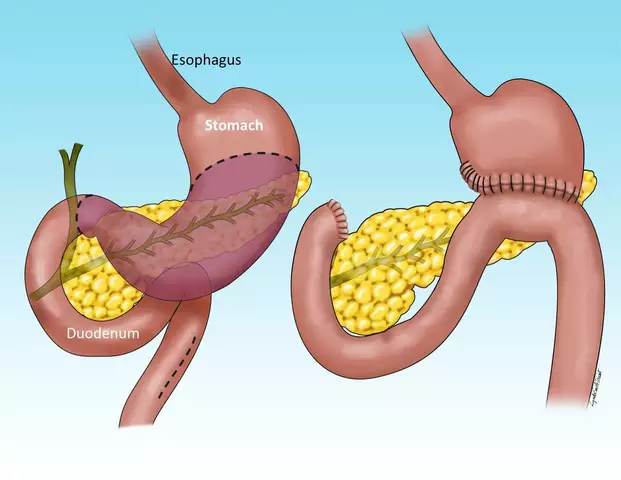
As a blogger, I've come across some interesting information about the connection between atrophic gastritis and gastric cancer. Atrophic gastritis is a chronic inflammation of the stomach lining, which leads to the loss of gastric glandular cells and their eventual replacement by intestinal and fibrous tissues. This condition is considered a significant risk factor for gastric cancer, as it causes a gradual decline in gastric acid production and an increase in the production of gastrin, a hormone that promotes cell growth. With the loss of normal stomach function, the risk of developing gastric cancer significantly increases, especially in cases of autoimmune or H. pylori-induced gastritis. It's crucial to monitor and manage atrophic gastritis symptoms to reduce the risk of gastric cancer and maintain overall digestive health.
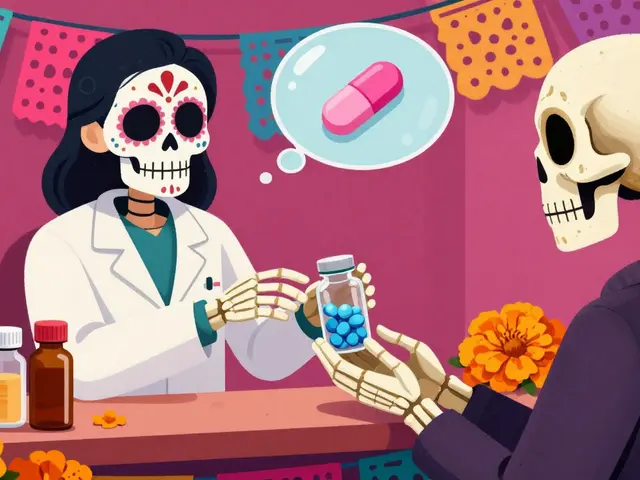
Explore how pharmacy substitution laws work and when pharmacists can switch to generic drugs without asking. Learn about presumed consent, patient rights, and safety concerns.

Anaphylaxis is a life-threatening allergic reaction that requires immediate epinephrine. Learn the warning signs, how to use an auto-injector correctly, why antihistamines won’t save you, and what to do after the shot.

Thyroid storm is a rare but deadly complication of untreated hyperthyroidism, requiring urgent ICU care. Learn the signs, triggers, and life-saving treatments that can turn the tide in this endocrine emergency.

Licorice root can make blood pressure medications less effective by raising sodium, lowering potassium, and increasing fluid retention. Even small amounts over time can lead to dangerous spikes in blood pressure. Know what to avoid and how to stay safe.