
If you’ve ever taken a pill for weeks or months, you might wonder what happens after the short‑term relief wears off. Long‑term effects are the changes that show up after repeated use, and they can be good, bad, or somewhere in between. Understanding them helps you avoid surprises and keep your health on track.
Most drug labels focus on immediate benefits and side‑effects you might feel right away. But some impacts only appear after weeks, months, or even years. Think of blood pressure meds that protect your heart now but could affect kidney function later, or antidepressants that may alter weight over time. Ignoring these delayed signals can lead to bigger health problems down the road.
Here are a few typical long‑term issues you might encounter:
Notice any new symptom, even if it seems unrelated. A small increase in blood pressure, occasional dizziness, or a change in sleep pattern could be your body’s way of saying “check this.”
One practical tip is to keep a simple log: write down the medication name, dose, start date, and any new feelings you notice each month. Over time you’ll see patterns that might otherwise slip by.
If you’re on drugs with known long‑term concerns—like Lariam for malaria prevention or chronic antibiotics such as ciprofloxacin—talk to your doctor about scheduled check‑ups. They can order labs, adjust doses, or suggest safer alternatives when needed.
Don’t forget lifestyle factors. Staying hydrated, eating a balanced diet, and exercising regularly can lessen the strain many meds place on your body. For example, adding omega‑3s may counteract inflammation caused by long‑term steroid use.
When you’re unsure about a medication’s future impact, ask these quick questions at your next appointment:
Having a clear plan turns vague worries into concrete actions.
In short, long‑term effects are a normal part of many treatment plans. The key is staying informed, keeping an eye on your body, and maintaining open communication with your healthcare provider. By doing that, you can enjoy the benefits of medication while minimizing hidden risks.
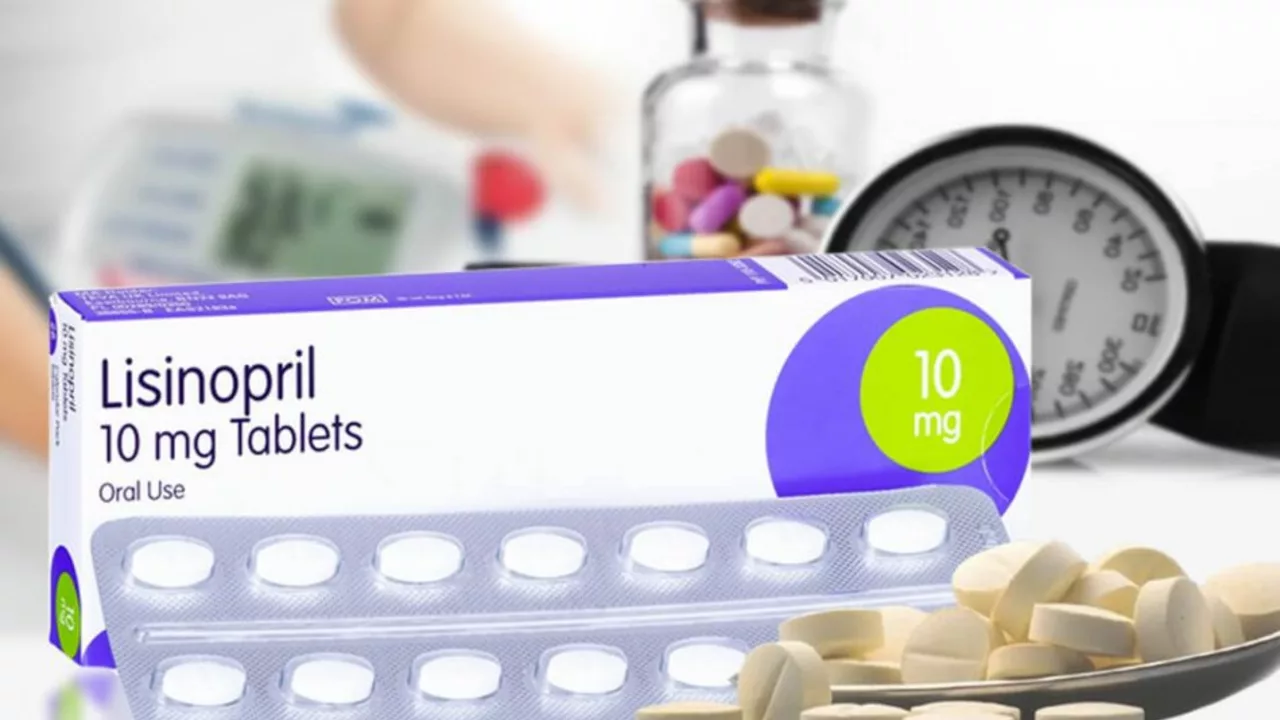
As a blogger, I've been researching the potential long-term effects of Lisinopril usage. Lisinopril, an ACE inhibitor, is commonly prescribed to treat high blood pressure and heart failure. While it may be effective in managing these conditions, it's important to be aware of the possible long-term effects. Some studies suggest that prolonged use of Lisinopril could potentially lead to kidney impairment, electrolyte imbalances, and an increased risk of angioedema. It's crucial to discuss these risks with your healthcare provider and weigh the potential benefits and drawbacks of using this medication long-term.

As a blogger, I recently delved into understanding the cost-effectiveness of abiraterone in prostate cancer treatment. What I've discovered is that abiraterone has shown promising results in improving the survival rate and quality of life for patients with advanced prostate cancer. However, the high cost of this treatment may limit its accessibility for many patients. It's crucial for healthcare systems and insurance providers to consider the balance between the benefits and costs of abiraterone to maximize its potential. Overall, I believe it's essential to continue researching more cost-effective alternatives while advocating for better financial support for those who need this life-saving treatment.

Alcohol and prescription drugs can interact dangerously, causing overdose, liver damage, or death. Learn which meds are most risky, who's most vulnerable, and how to stay safe.

A detailed guide comparing Etodolac with Naproxen, Ibuprofen, Diclofenac, and Celecoxib, covering efficacy, dosing, side effects, and safety tips.

Learn how one medication can change how your body handles another - and what you can do to avoid dangerous reactions. Simple, practical steps to stay safe with your prescriptions.

Using household spoons to dose children's medicine is dangerous and inaccurate. Learn why oral syringes and milliliter measurements are the only safe choice for kids' liquid medications.