
If you’ve been handed a prescription for lisinopril, you’re probably dealing with high blood pressure or heart issues. Lisinopril belongs to the ACE‑inhibitor family – medicines that help relax blood vessels so your heart doesn’t have to work as hard.
The usual starting dose for most adults is 10 mg once a day, but doctors may adjust it based on your blood‑pressure numbers. Some people stay on 20 mg; others need only 5 mg. Take the pill at the same time each day, preferably in the morning, and swallow it with water – no crushing or chewing unless your doctor says otherwise.
If you miss a dose, take it as soon as you remember, but if it’s almost time for your next one, skip the missed pill. Double‑dosing can cause dizziness or low blood pressure, so avoid that.
Lisinopril is generally well‑tolerated, but a few things can pop up:
Rarely, lisinopril can affect kidneys. If you notice reduced urine output or sudden weight gain from fluid retention, call your provider.
Stay hydrated but don’t overdo salty snacks – sodium can counteract the blood‑pressure benefits. Keep a list of all meds you take; lisinopril can interact with diuretics, NSAIDs, and certain heart drugs.
Avoid alcohol bingeing; it may amplify dizziness. If you’re pregnant or planning to become pregnant, let your doctor know – ACE inhibitors are not safe during pregnancy.
Regular check‑ups are key. Your doctor will likely measure blood pressure, kidney function, and potassium levels after the first month and then periodically.
Bottom line: lisinopril can be a simple, effective way to keep your heart and vessels in check. Stick to the prescribed schedule, watch for side effects, and stay in touch with your healthcare provider. With those steps, you’ll give yourself the best chance at stable blood pressure and a healthier heart.

As a blogger, I've been researching the potential long-term effects of Lisinopril usage. Lisinopril, an ACE inhibitor, is commonly prescribed to treat high blood pressure and heart failure. While it may be effective in managing these conditions, it's important to be aware of the possible long-term effects. Some studies suggest that prolonged use of Lisinopril could potentially lead to kidney impairment, electrolyte imbalances, and an increased risk of angioedema. It's crucial to discuss these risks with your healthcare provider and weigh the potential benefits and drawbacks of using this medication long-term.

TNF inhibitors have transformed ankylosing spondylitis treatment by targeting the root cause of spine inflammation. Learn how these biologics reduce pain, improve mobility, and slow disease progression - and which patients benefit most.

Grapefruit can dangerously increase statin levels in your blood, raising the risk of muscle damage and kidney failure. Learn which statins are affected, how to stay safe, and what to do if you love grapefruit.

Anaphylaxis is a life-threatening allergic reaction that requires immediate epinephrine. Learn the warning signs, how to use an auto-injector correctly, why antihistamines won’t save you, and what to do after the shot.

Traveling with lupus, whether it’s discoid or systemic, requires thoughtful preparation to ensure safety and comfort. By understanding how to manage symptoms and potential triggers, individuals can enjoy their journeys with less worry. This guide provides key tips for planning trips, managing medications, and staying healthy on the road. Knowing your limits and preparing for unexpected situations can make traveling with lupus a more pleasant experience. With the right strategies, those with lupus can embrace the explorative spirit while staying safe.
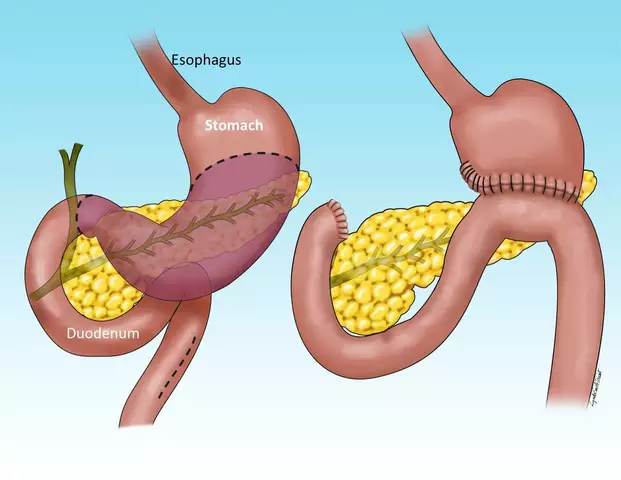
As a blogger, I've come across some interesting information about the connection between atrophic gastritis and gastric cancer. Atrophic gastritis is a chronic inflammation of the stomach lining, which leads to the loss of gastric glandular cells and their eventual replacement by intestinal and fibrous tissues. This condition is considered a significant risk factor for gastric cancer, as it causes a gradual decline in gastric acid production and an increase in the production of gastrin, a hormone that promotes cell growth. With the loss of normal stomach function, the risk of developing gastric cancer significantly increases, especially in cases of autoimmune or H. pylori-induced gastritis. It's crucial to monitor and manage atrophic gastritis symptoms to reduce the risk of gastric cancer and maintain overall digestive health.